Publication
Can the UK Achieve Net-zero Greenhouse Gas Emissions by 2050?
Explore the recommendations in more detail in this working paper.
Sir David Hendry & Dr Jennifer Castle

‘Net zero’ means the point where the amount of greenhouse gas we are putting into the atmosphere is the same as the amount we are removing. Many governments have set targets for reaching ‘net zero’ in order to slow down global warming. But although many clean technologies and renewable energy sources are in use, they aren’t yet enough to meet this aim.
Scientists at the University of Oxford looked at how the UK can meet the 'net zero' target by 2050. They outline the obstacles and offer possible solutions. For example, there is just not enough storage capacity for surplus energy. Sometimes ‘green’ energy sources like solar and wind produce more power than can be used. Here, the scientists make suggestions such as:
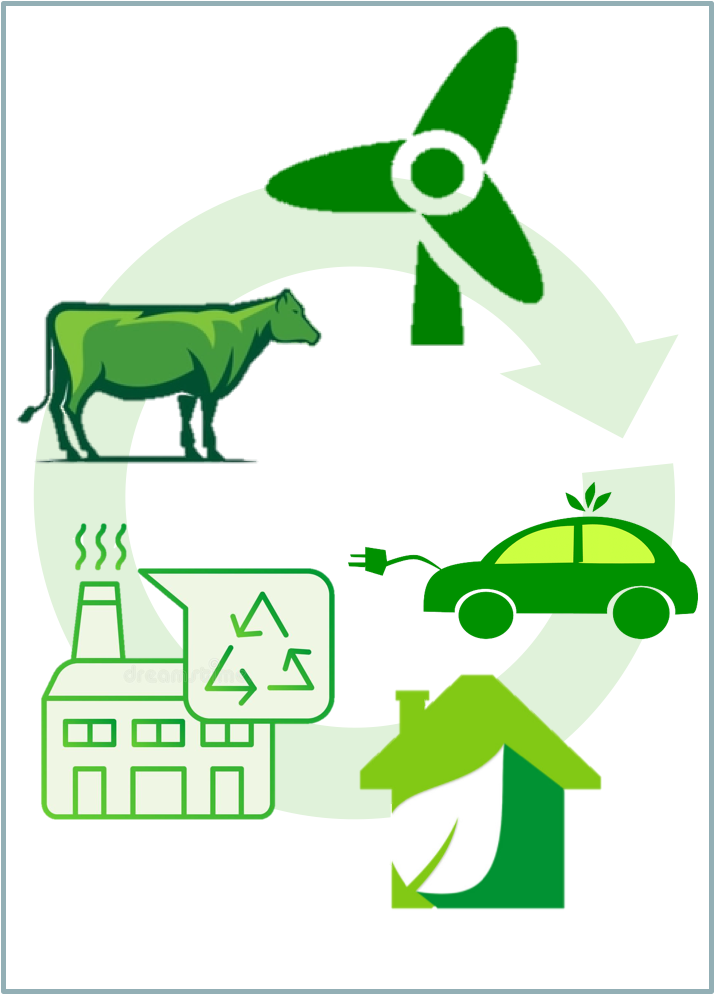
• Connecting electric cars to a smart grid, so that their batteries can be used to store surplus energy
• Using surplus energy to create hydrogen which can then be stored for later use
• Using surplus energy to make agricultural or industrial processes more efficient
Apart from energy, the scientists looked at a range of problems and solutions to meet the 'net zero' goal. Not only can emissions from animals be reduced through dietary changes, a shift from current nitrogen-based fertilizers to basalt dust would reduce emissions and absorb some of the existing greenhouse gases in the atmosphere.
We need to think creatively about how we can use and improve our existing technologies, and prioritize developments that could have many positive impacts in different ways. For example, improving electric car battery technology not only reduces the direct use of fossil fuels, but also has the potential to improve storage of ‘clean’ energy.
KEY TAKEAWAY: Small changes can be linked together to produce bigger results. Reaching net zero will involve ‘joined up’ thinking.
In this paper we draw on the vast literature exploring technological advances to address climate change, holding proposals up to scrutiny in terms of their viability and their scope for delivering reductions in emissions at the scale needed for the UK to reach its goal of net zero. Attending many conferences and seminars on climate change made us realise that there are many silos of great research, but few examples of how all the pieces of the puzzle fitted. Our paper puts the jigsaw puzzle together in a series of clear implementable steps—sensitive intervention points—to achieve the goal of net zero for the UK by 2050. The paper offers a coherent strategy for reaching net zero that is potentially achievable if implemented immediately and at pace.
University of Oxford
Explore the recommendations in more detail in this working paper.
The team have also made recommendations for how research models can be adapted to try and provide more accurate forecasts in areas such as climate science.
University of Oxford

Kudos Innovations Ltd