Press briefing
Exploring the Neurotoxic Effects of Metals and the Clinical Potential of Natural Compounds
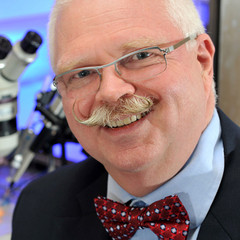
11th May 2021, Ar-Rayyan, Qatar – Metal ions, metal-containing organic compounds, and other biologically active compounds can have profound effects on the human nervous system, and Professor Dietrich Büsselberg of Weill Cornell Medicine-Qatar is hard at work studying the mechanisms by which these effects occur. To unravel these mechanisms, Professor Büsselberg has dedicated the past 30 years of his career to researching the interactions between these substances and the intricate biochemical machinery that keeps living cells functioning within the human body.
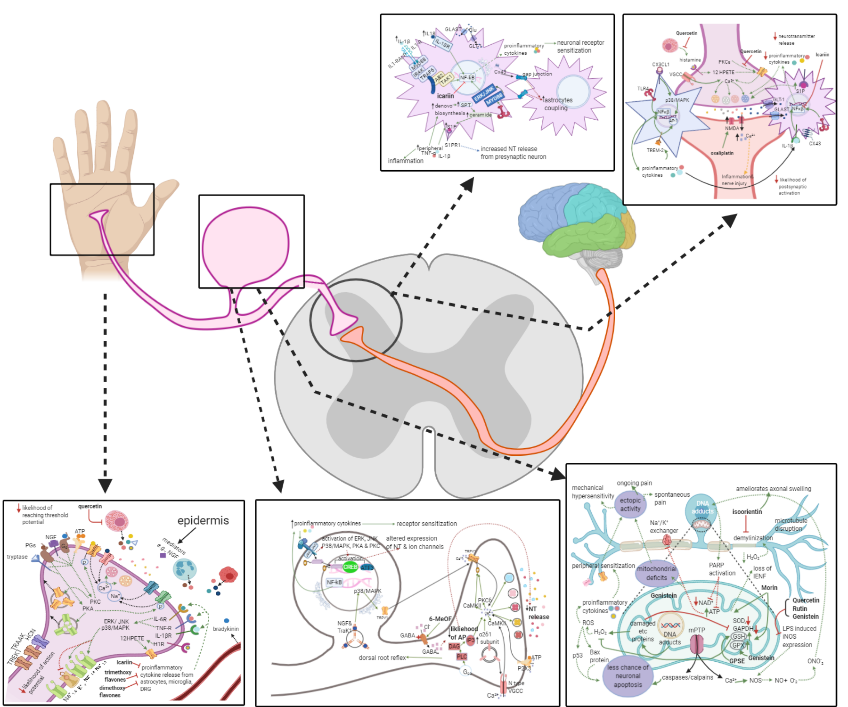
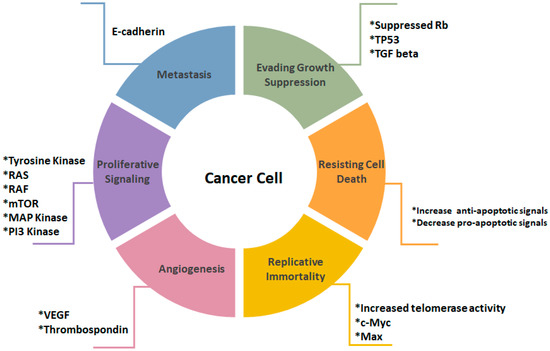
To understand these issues, Professor Büsselberg’s research team has conducted experiments to determine (1) how metal ions and metal-containing compounds interact with proteins in the cell membrane that regulate the excitability of neurons; (2) how they affect the entry of calcium into the cell and the release of calcium from intracellular stores, both of which play important roles in controlling various biochemical pathways; and (3) how changes in intracellular calcium levels can influence the processing of pain sensations. Professor Büsselberg’s research group has also explored the physiological processes underlying the generation of respiratory rhythms. Over the past 15 years, his laboratory has been engaged in researching the use of natural substances to treat pain and such maladies as cancer, diabetes, and obesity. This research avenue has led to the publication of articles on the use of plant-derived therapies to fight the most aggressive forms of breast cancer and the use of plant-derived chemicals called flavonoids to treat diabetes. Professor Büsselberg has also written about the possibility of treating COVID-19 with the antidiabetic drug metformin, which is based on compounds found in the French lilac.
Professor Büsselberg hopes that his work will offer insights into how metal ions and metal-containing organic compounds can modulate neuronal communication. He also hopes that his work will help scientists understand the circumstances under which specific drugs or chemicals can have toxic effects and the intracellular mechanisms by which these drugs or chemicals can also have clinical benefits.