Press briefing
Analyzing the Economic and Political Development of Sri Lanka: The Work of Dr. Muttukrishna Sarvananthan
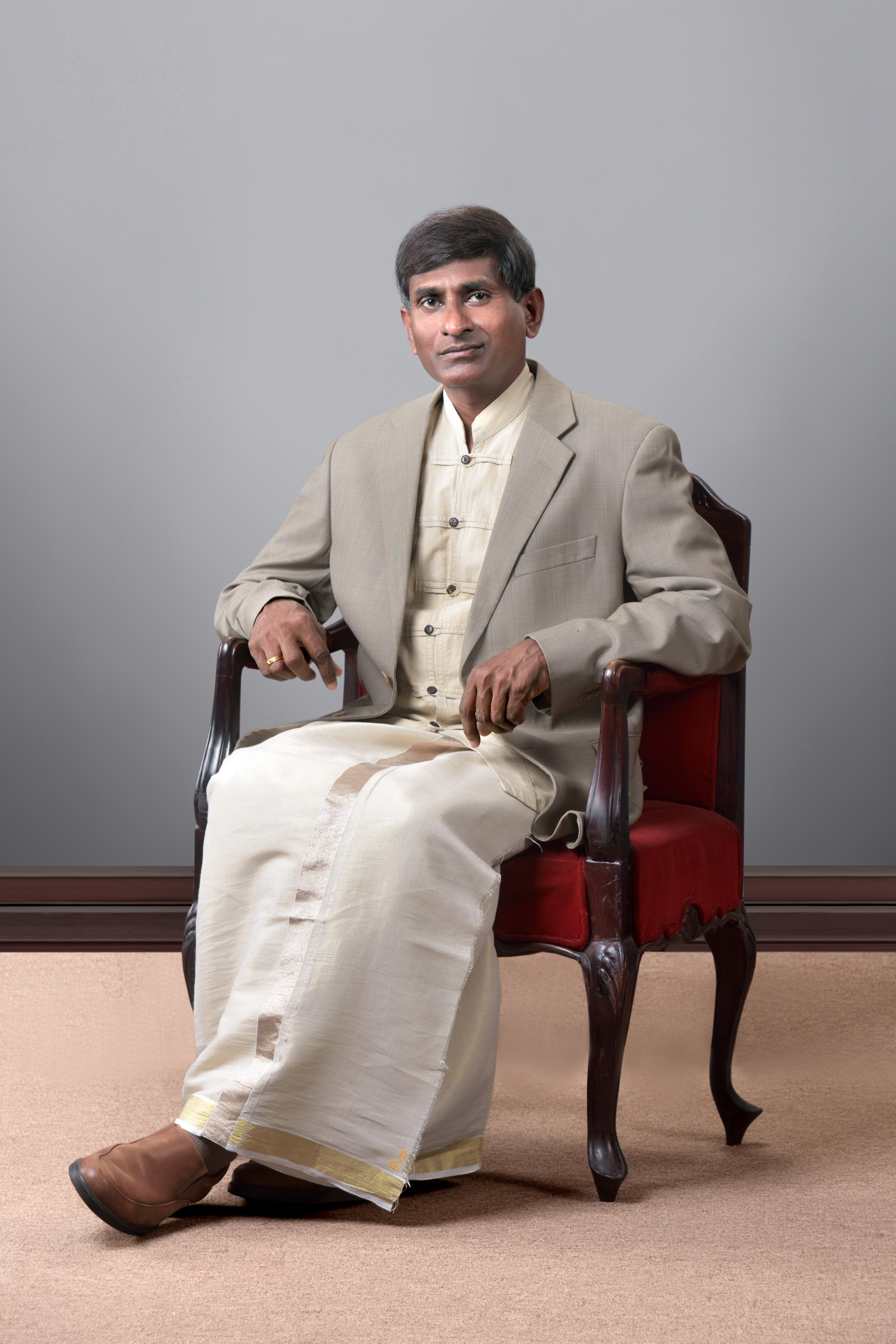
5th May 2021, Point Pedro, Sri Lanka – Muttukrishna Sarvananthan, PhD, is a development economist with a keen interest in analysing the internal and external challenges that Sri Lanka faces. From his office at the Point Pedro Institute of Development, which he founded in 2004 and where he works as a Principal Researcher, Dr. Sarvananthan publishes papers addressing a broad range of questions related to his country’s economic and political development.
Dr. Sarvananthan is recognised as the world’s leading authority on the economies of Sri Lanka’s Eastern and Northern Provinces, two regions that saw considerable violence during the Sri Lankan Civil War that raged between the Sri Lankan national government and the Liberation Tigers of Tamil Eelam from 1983 to 2009. Much of his work has been focused on improving the conditions of the people living in these war-scarred provinces, and his relevant scholarly contributions include numerous papers touching on such topics as the economic and political development of the Northern and Eastern Provinces, lessening interethnic tensions, vocational education and training programs for the Northern Province, protecting the rights of workers in the Northern Province, countering violent extremism, and distinguishing between terrorism and legitimate national liberation activism.
Dr. Sarvananthan has also written about issues affecting Sri Lanka and the world more broadly, including such topics as empowering women to contribute to the inclusive economic growth of Sri Lanka with shared prosperity, the outcomes of international development finance in Sri Lanka, boat migration between Sri Lanka and Australia, and the resolution of fishing disputes between Sri Lanka and India. His work has enabled him to accurately predict future events, such as when he foresaw the demise of the Liberation Tigers of Tamil Eelam three years before it actually happened. Furthermore, his policy recommendations have influenced matters such as military expenditures in the Northern Province, the Sri Lankan national budget deficit, and the negotiation of fishing rights between India and Sri Lanka.