Press briefing
Making science labs wearable
June 10, 2021 – Novi Sad, Serbia – Over the past decades, our society has made good on many promises of popular science fiction. Smartphones have made video telecom possible. Air travel across the planet is routine. We even have robots mapping the surface of Mars.
Now, scientists are working on adding “smart” clothes to the list.
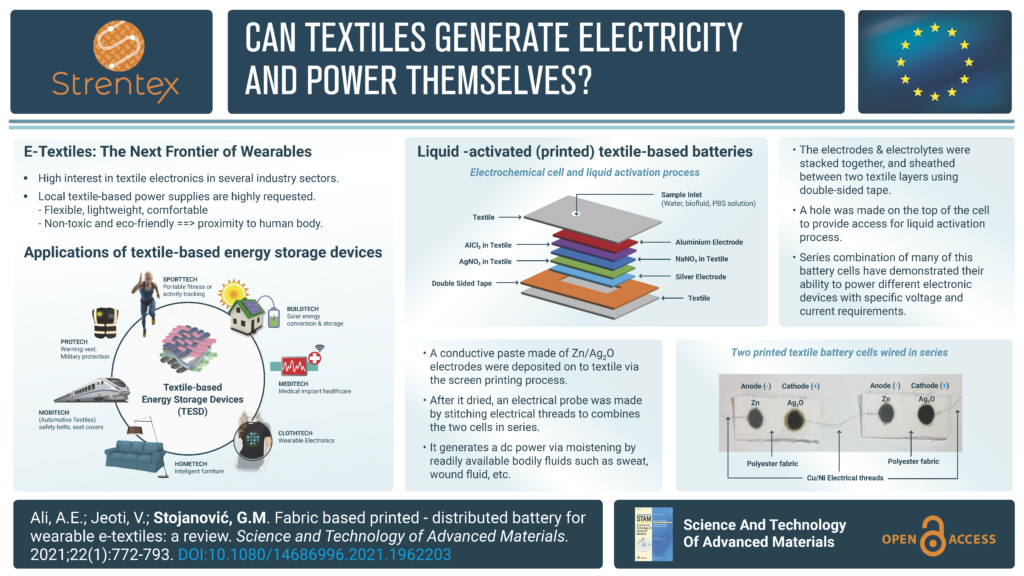
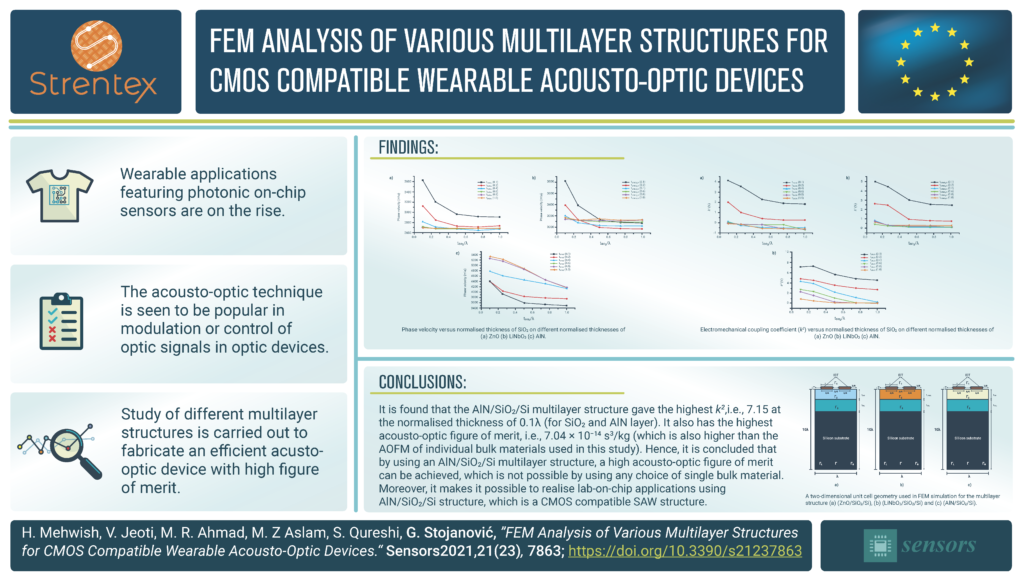
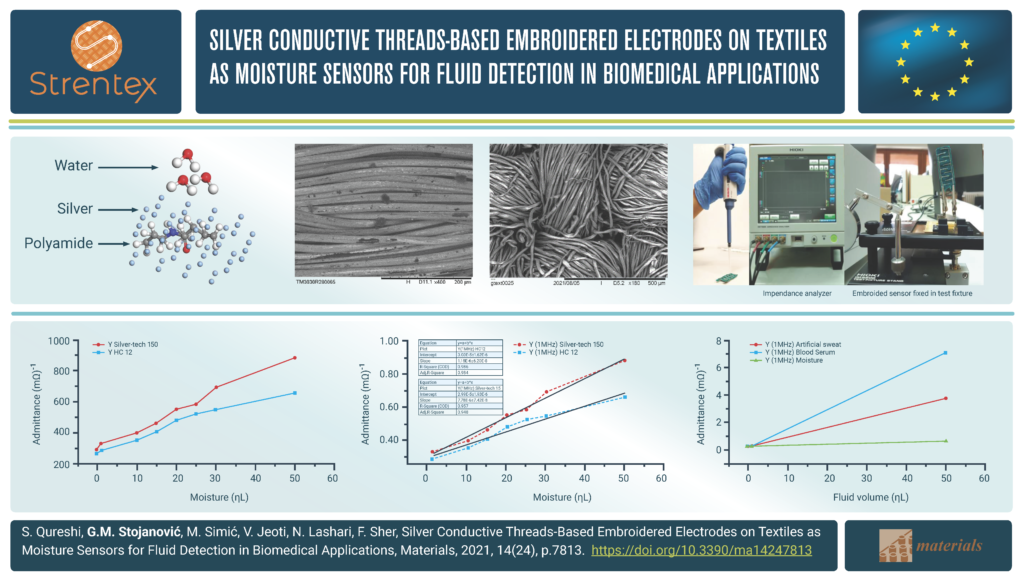
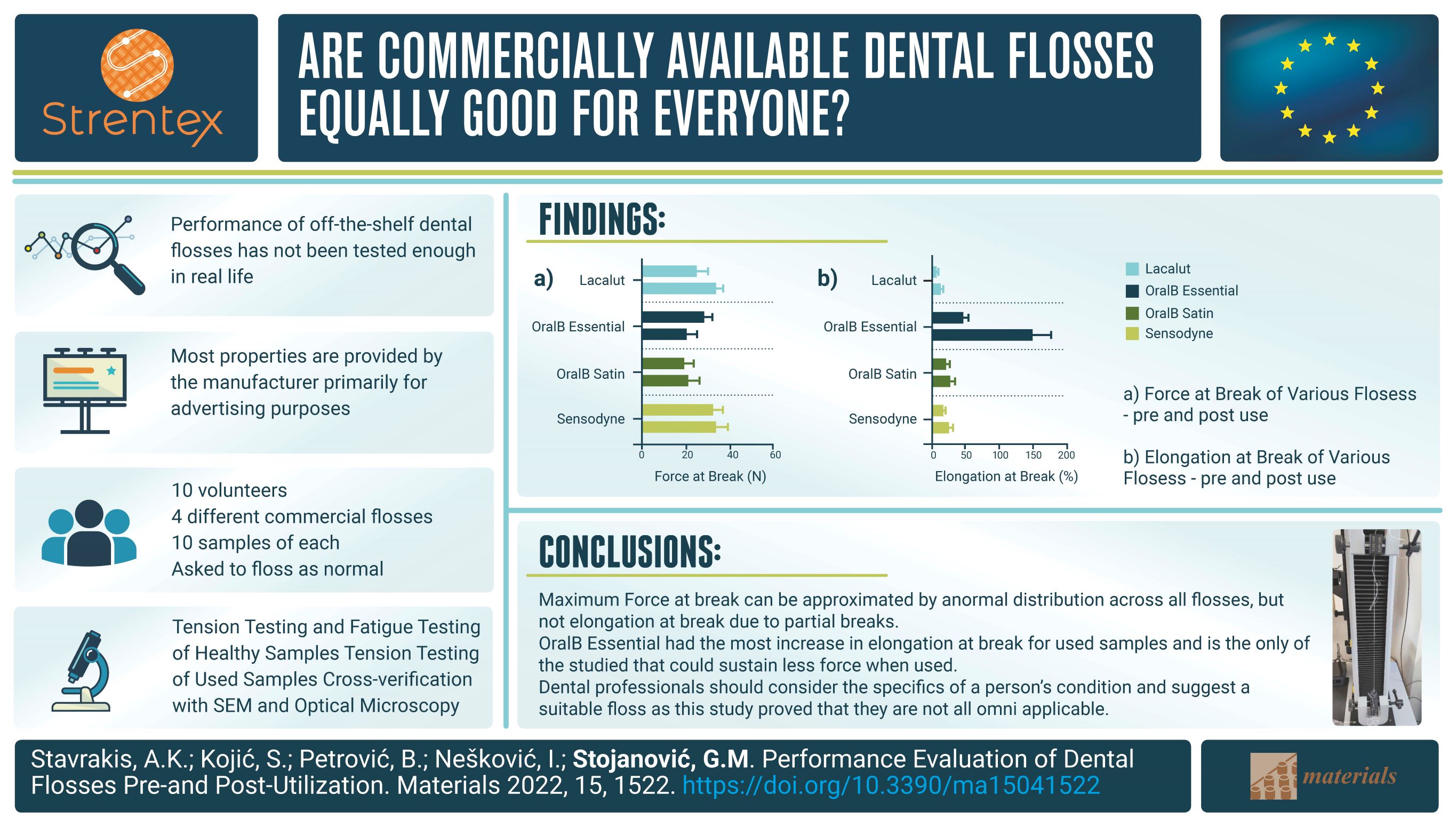
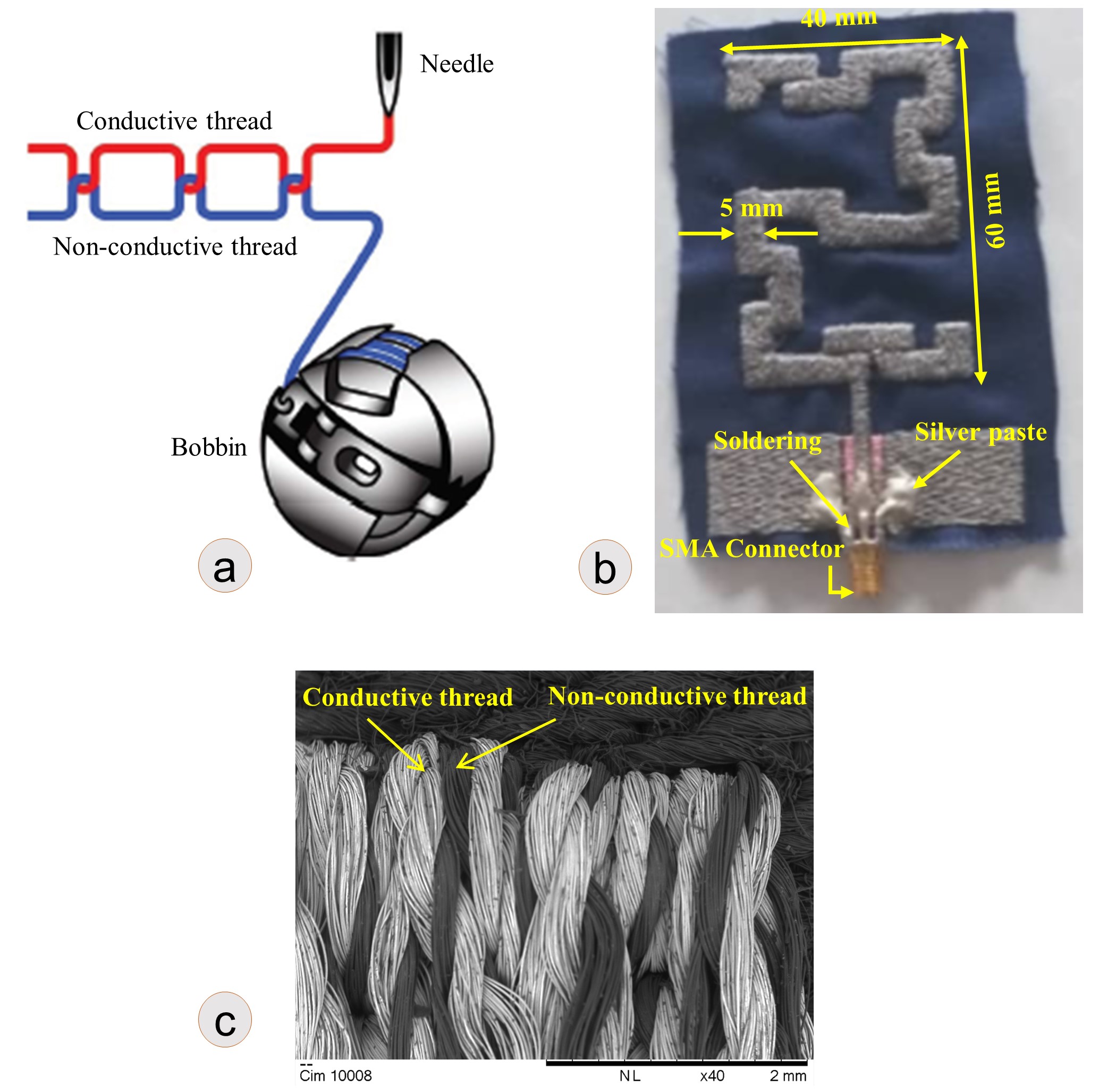
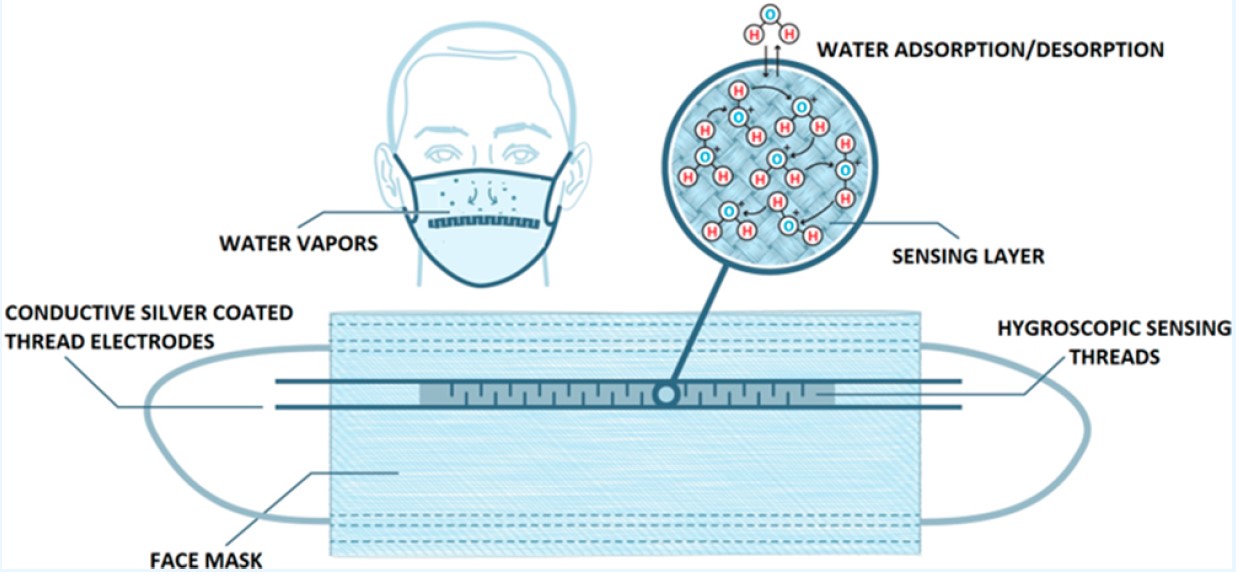
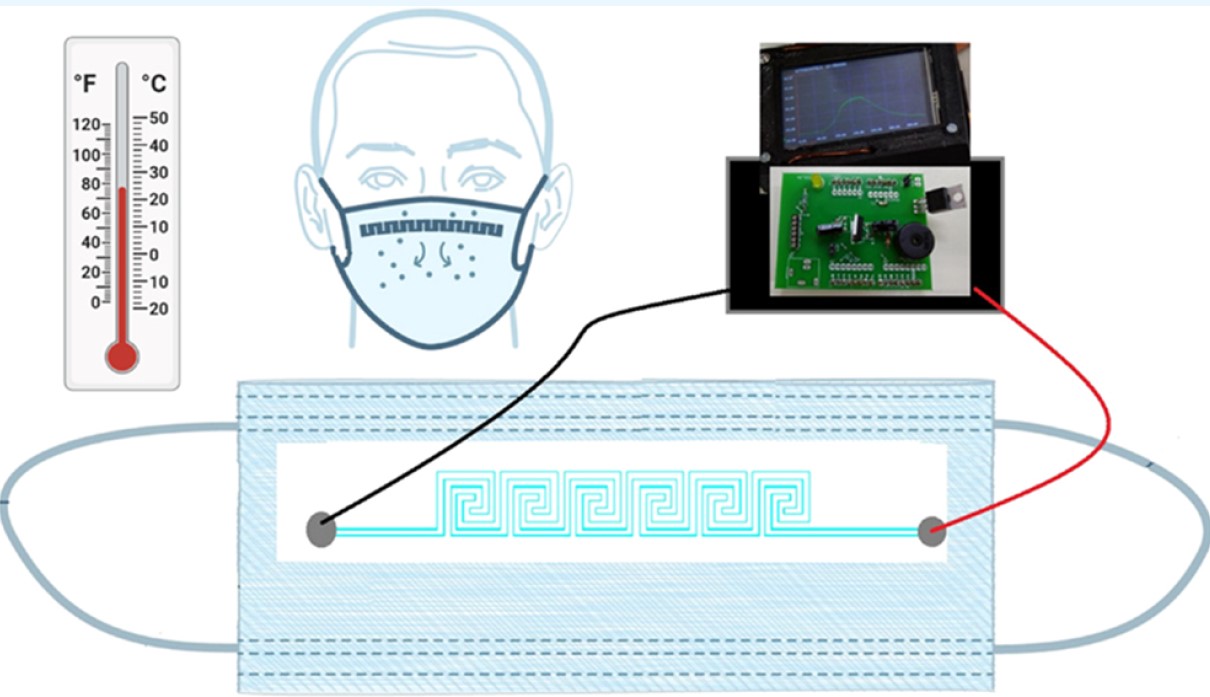
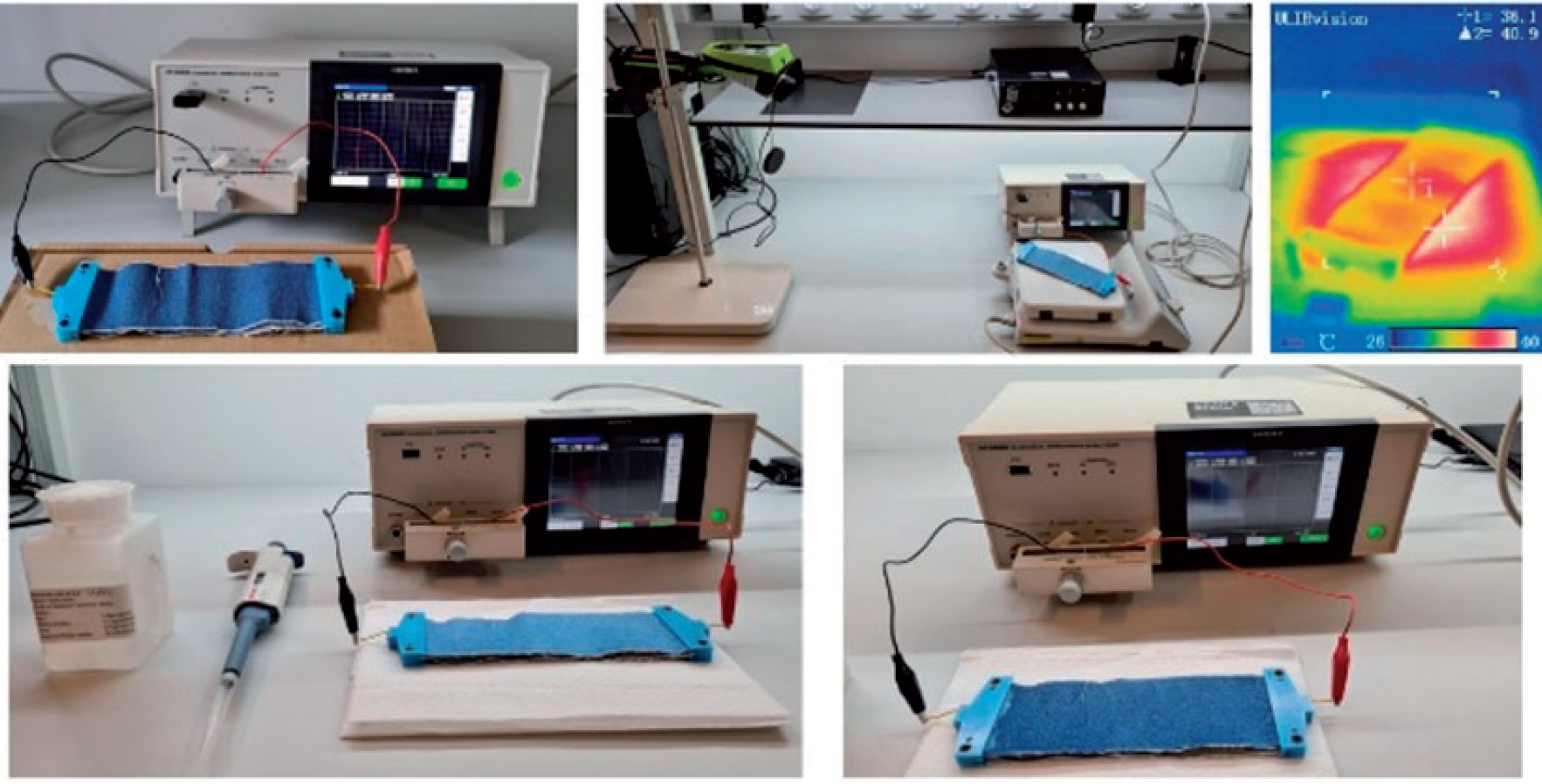
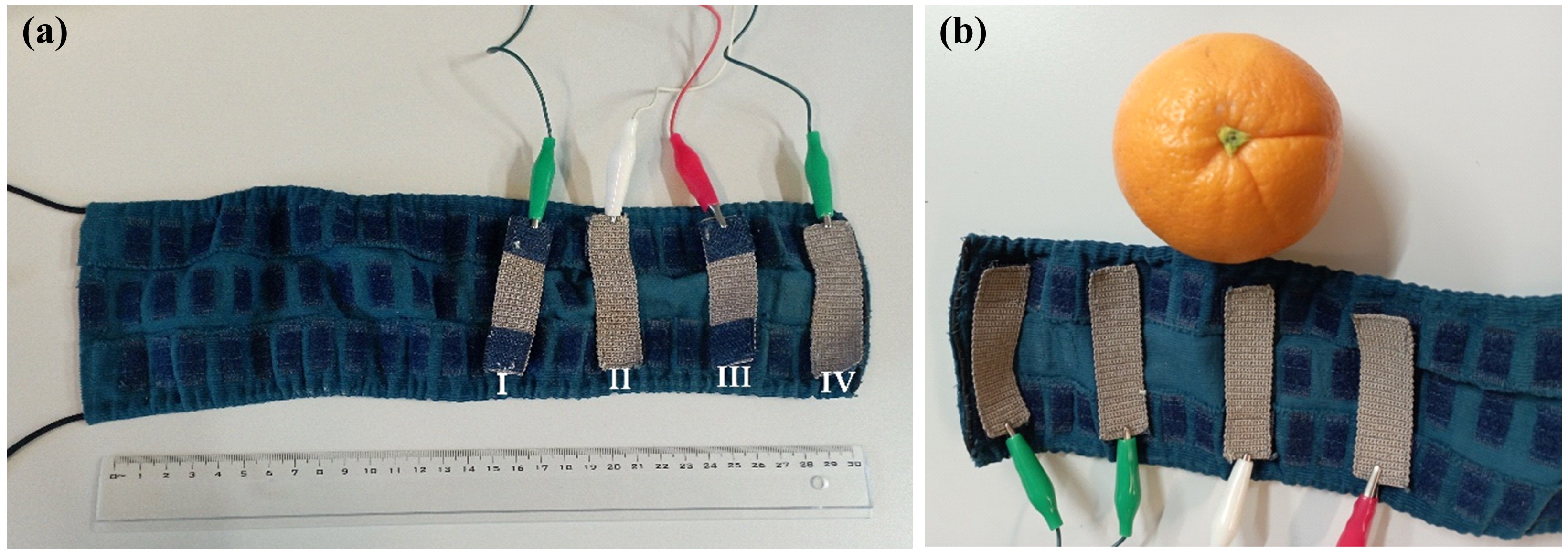
Goran Stojanović is Full Professor of Technical Sciences at the University of Novi Sad (UNS) and the coordinator of STRENTEX, a highly collaborative project centered at UNS that’s dedicated to the design and implementation of stretchable and textile electronics. The goal of STRENTEX is to create microsensors that easily (and comfortably) conform to the body and report back health data on the fly.
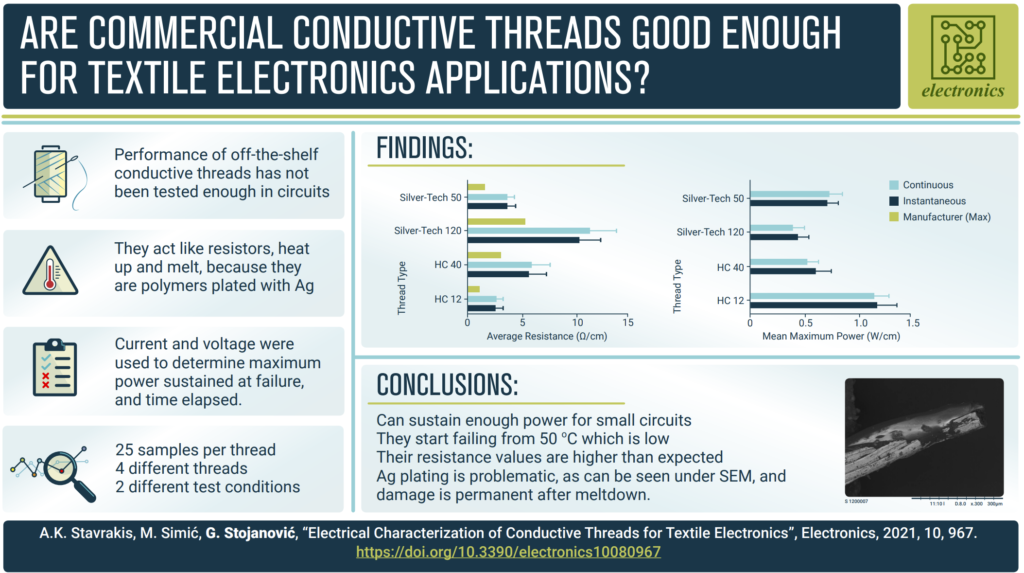
Imagine wound dressings that not only facilitate the healing process but also provide status updates on how that process is unfolding.
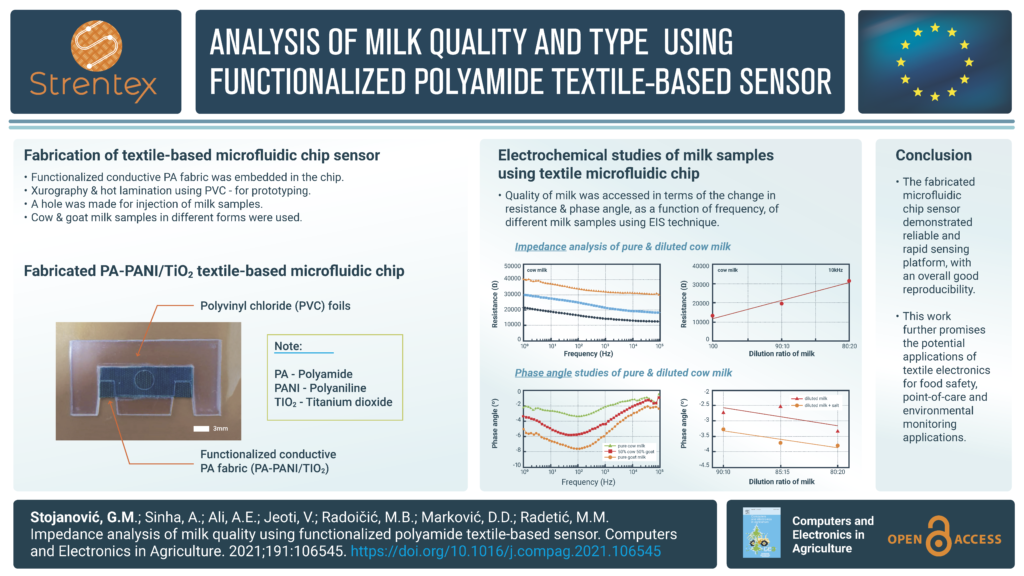
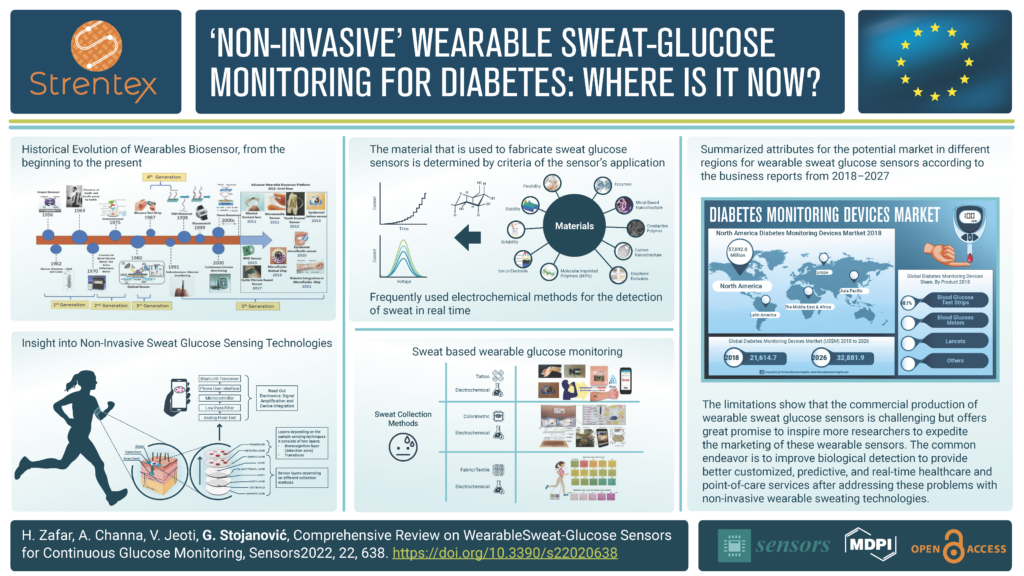
Or a baby monitor that goes beyond registering discomfort and digitizes vital signs for parents of neonates. Or, as reported in a recent paper by Stojanović and other STRENTEX researchers, a sensor patch that can detect concentrations of chemotherapy drugs in the body from sweat.
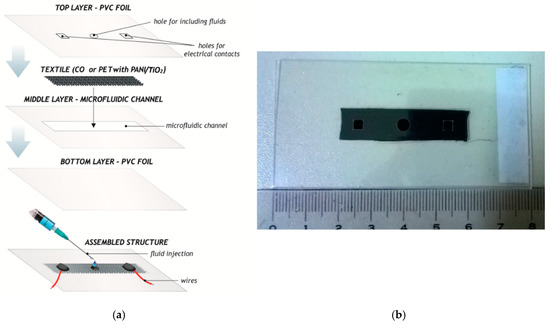
Trained as an electrical engineer, Stojanović has spent 20 years in the field of microfluidics. Literally the science of manipulating tiny amounts of fluids, microfluidics is responsible for miniaturizing the equipment required to run chemical and biochemical reactions, giving rise to “labs on a chip”.
Integrated into wearable technology, microfluidics is now paving the way toward “labs on a body”, thanks to research conducted by members of the STRENTEX team.
By adapting current wearable sensor technologies and exploring new flexible and conductive materials, STRENTEX researchers aim to enhance health and well-being across a range of industries—from apparel, consumer electronics, and sports and wellness to medical healthcare, military, and communication.
Miniaturizing diagnostic systems like these provides clear benefits for monitoring the health of individuals and their surroundings. Not only because they generate useful and, in some cases, otherwise inaccessible data, but also because they’re less costly.
Low overhead is one of the benefits of operating on a tiny scale: small experiments require less reagents, less space, and less human power to run.
With incremental refinements, the designs conceived by STRENTEX researchers could one day find their way into everyday life and perhaps in that way, turn science fiction into science reality.