
Project

A hidden viral world within us

Dr. Maria Fernanda Perdomo

What is it about?

Many viruses responsible for common childhood illnesses establish a home for life within us.

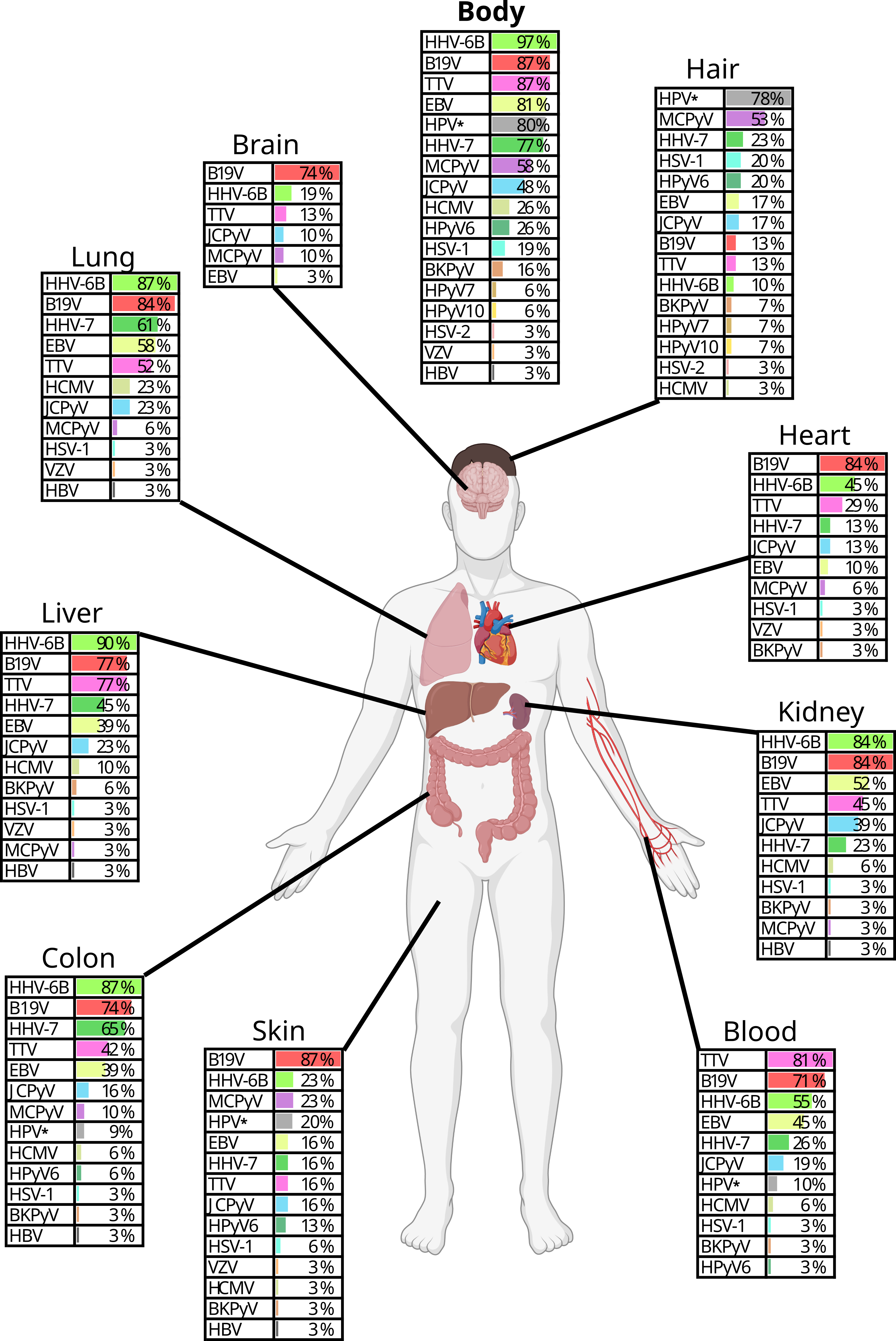
We show, that rather than sterile, our tissues contain the DNA of many viruses, and we provide a blueprint of how they are distributed in different organs of the human body.

Our investigation adds a completely new chapter to the human microbiome, traditionally viewed as equivalent to the bacteriome, and opens multiple questions and novel perspectives on the long-term effects of these viruses on our health.

In fact, their persistence could have positive effects (for example, protection against other microbes or regulation of the immune system) but also negative ( for example, chronic inflammatory diseases).

Our aim is to understand better the role of viruses in health and disease, which may ultimately lead to prevention and better diagnosis and treatment.

Why is it important?

To survive, viruses must manipulate our physiology and immune system, and this can have profound long-term consequences on our health, especially in light of an ever-growing elderly population.

Indeed, there is a clear connection between some viruses and specific cancers or autoimmune diseases, therefore it is important to investigate what supports their persistence and what may tip the balance from commensalism to disease. In other words, how the virome changes in different disease states.

Equally important is to investigate the beneficial effects of these persistent viruses, since they have been infecting humans generation after generation, certainly shaping who we are and how we respond to many stressors.

Perspectives

Some viruses are like visitors who come for a day or two, yet end up settling for life within us. In the beginning, they may play a low profile and try not to disturb but over the years they might start misplacing your furniture or having parties when you are gone.

I am convinced that viruses play a role (as triggers or facilitators) in many more conditions that are currently known.

We need to start thinking of viruses in terms of communities and have to open up to the idea of interactions among viruses and with other members of the microbiome.

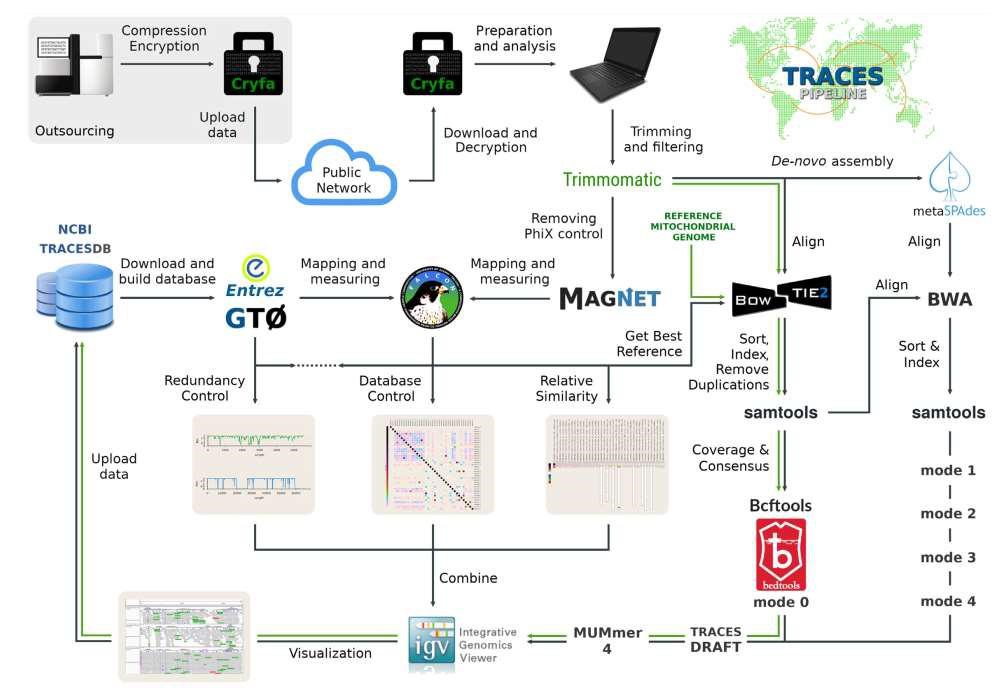
Previously, it was known that some viral DNA can remain in our tissues for a long time. But previous studies only looked at one virus at a time and in specific tissues and diseases. For the first time, we used modern metagenomic technology in combination with qPCR to study many common viruses in 9 different organs of ordinary people. We show that these viruses are very common and have spread all over the body since childhood. This changes the way we think about what is the normal virome in our tissues and body.

Audience briefings1 total

Resources6 total