What is it about?
Sustainable investing has become increasingly popular as investors seek to support companies that care about the environment, social responsibility, and good governance (ESG). But do these investments behave differently when the economy is doing well compared with when it is struggling? Our research explores how investor fear, changes in interest rates, and economic conditions influence the risks associated with sustainable investments. We analyzed financial market data covering 14 years, from 2010 to 2024, to understand how sustainable investments react to changing economic conditions. We found that investor fear has little influence on the overall market risk of sustainable investments when the economy is growing. However, during economic downturns and periods of rising interest rates, fear becomes an important source of risk. In simple terms, sustainable investments are not immune to changes in investor confidence, especially when economic conditions deteriorate.
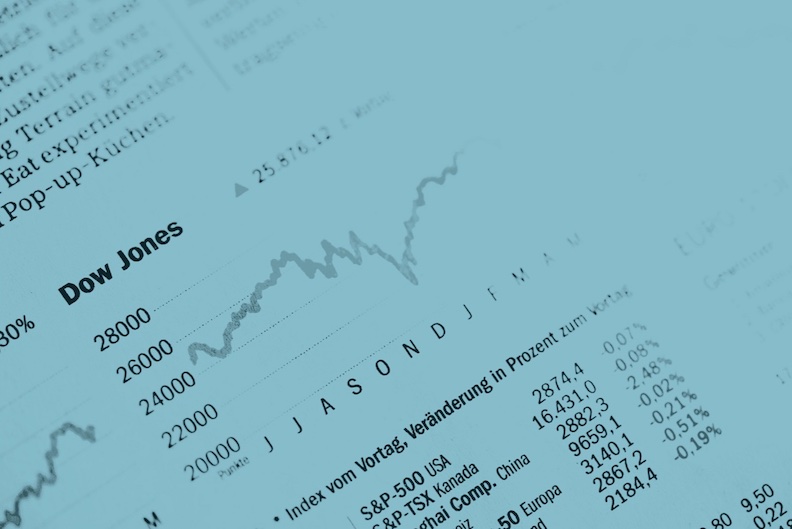
Featured Image

Photo by Feri & Tasos on Unsplash
Why is it important?
During periods of economic growth, investors may be more willing to support companies with strong environmental and social credentials. However, when economic uncertainty increases, their priorities may shift toward protecting their money and reducing financial risk. This matters for three reasons: For individual investors: Sustainable investments can still be vulnerable to market uncertainty. Understanding how economic conditions influence their risks can help investors make better-informed decisions. For investment managers: Evaluating sustainable investments requires looking beyond environmental and social ratings. Economic conditions, interest rates, and investor confidence also play important roles. For policymakers and financial institutions: Understanding how fear affects sustainable investments can help identify potential vulnerabilities and support a more resilient sustainable investment market. Our research highlights an important lesson: Investing sustainably does not eliminate financial risk, and the economic environment matters.
Perspectives
Our findings open several opportunities for future research. First, it would be valuable to investigate whether different types of sustainable investments respond differently to economic crises. For example, companies focused on renewable energy may behave differently from those emphasizing social responsibility or corporate governance. Second, future studies could examine whether sustainable investments in emerging economies are more sensitive to investor fear than those in developed markets. Third, understanding how changes in investor confidence influence sustainable investment decisions could help financial institutions develop better approaches to managing risk during periods of economic uncertainty. Finally, as sustainable finance continues to evolve, further research could explore whether greater transparency and more reliable sustainability information help reduce the influence of fear on investment decisions. The broader message is clear: The future of sustainable investing depends not only on environmental and social commitments but also on understanding how investors behave when economic conditions become difficult.
Edgardo Cayon
Instituto Tecnologico y de Estudios Superiores de Monterrey
Read the Original
This page is a summary of: The effects on investor sentiment and business cycles on the systematic risk of an ESG portfolio, PLOS One, November 2026, PLOS,
DOI: 10.1371/journal.pone.0341348.
You can read the full text:
Contributors
The following have contributed to this page