What is it about?
This paper established the existence of tourism consciousness among poor Black South Africans. Guided by Bourdieu’s (1990) concept of habitus, meta-synthesis informed the qualitative approach used in the study where random face-to-face interviews were conducted with respondents in select South African ‘poor’ black communities/townships in Cape Town and Johannesburg. It is argued that although most Black South Africans are regarded as poor and seem to lack the means to engage in tourism, their consciousness regarding tourism is informed by five main factors: (i) structural exclusion, (ii) racialized spaces, (iii) the will to travel, (iv) tourism awareness, and (v) business ownership skills. Combined, these factors shape the consciousness of poor Black South Africans on tourism and inform their participation in the tourism system.
Featured Image
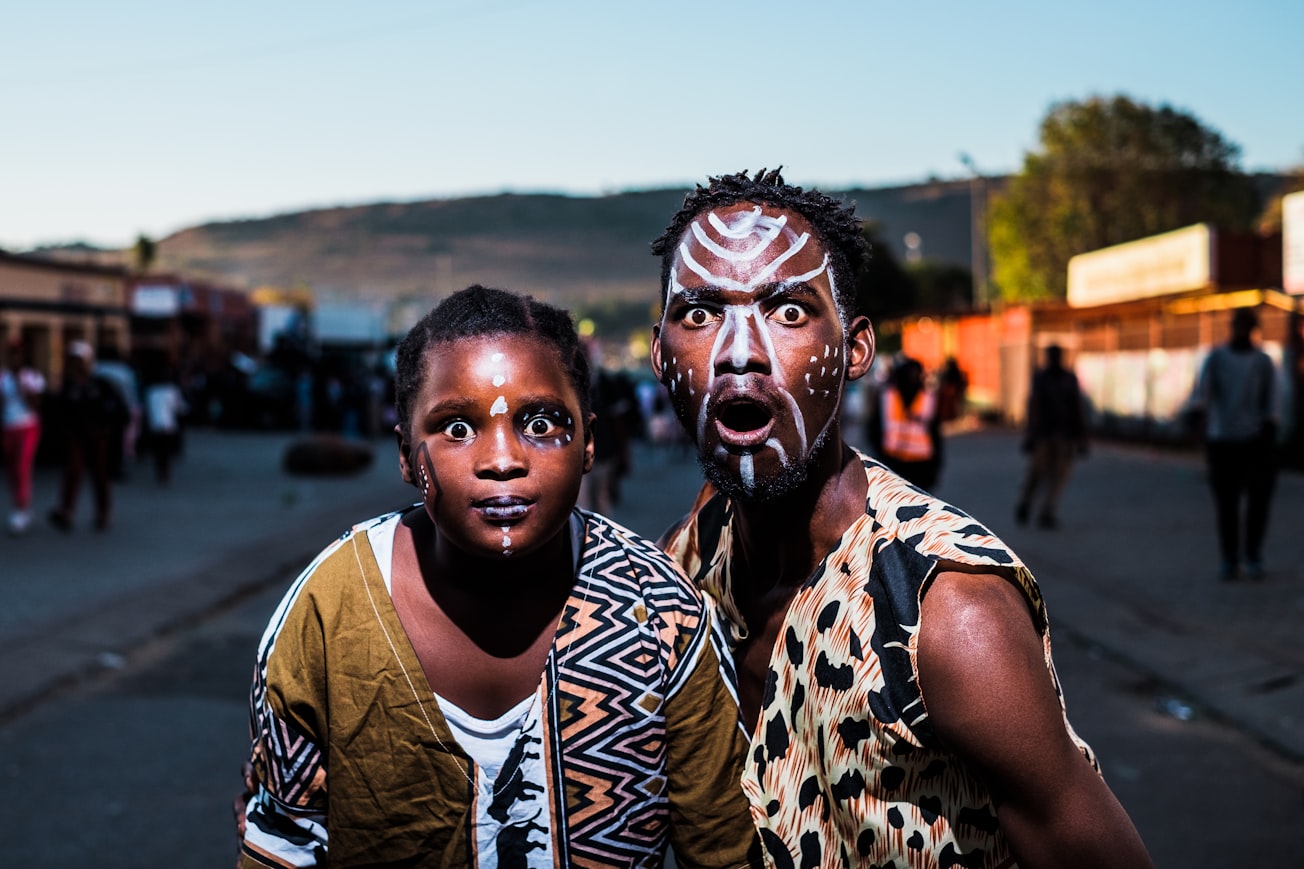
Photo by Mpumelelo Macu on Unsplash
Why is it important?
By examining black South Africans’ thoughts, this study contributes to the literature on the understanding and/or perceptions of tourism among Black South Africans. The findings will also facilitate new approaches to promote the participation of Black South Africans in tourism.
Perspectives
Despite the dawn of democracy there's still lack of participation of poor black South Africans in tourism processes. Tourism in ‘poor’ Black South African communities should not be viewed as an economic vehicle to emancipate the poor per se, but it should be viewed as a holistic approach that encourages the participation of Black South Africans in tourism processes. It is further argued that although most black Africans are regarded as poor and lack the means of engaging in tourism, their participation is influenced by five main factors: structural exclusion, racialized spaces, the will to travel, tourism awareness and business ownership skills.
Dr Regis Musavengane
University of Johannesburg
Read the Original
This page is a summary of: Understanding tourism consciousness through habitus: perspectives of ‘poor’ black South Africans, Critical African Studies, October 2019, Taylor & Francis,
DOI: 10.1080/21681392.2019.1670702.
You can read the full text:
Contributors
The following have contributed to this page







