What is it about?
This study used a combination of novel and innovative methodological and conceptual neuroimaging advances to compare the functional organization of the brain for processing words in children and adults. Despite many similarities, school-age children and young adults nevertheless show significant differences in the brain regions they use to process and produce the same words.
Featured Image
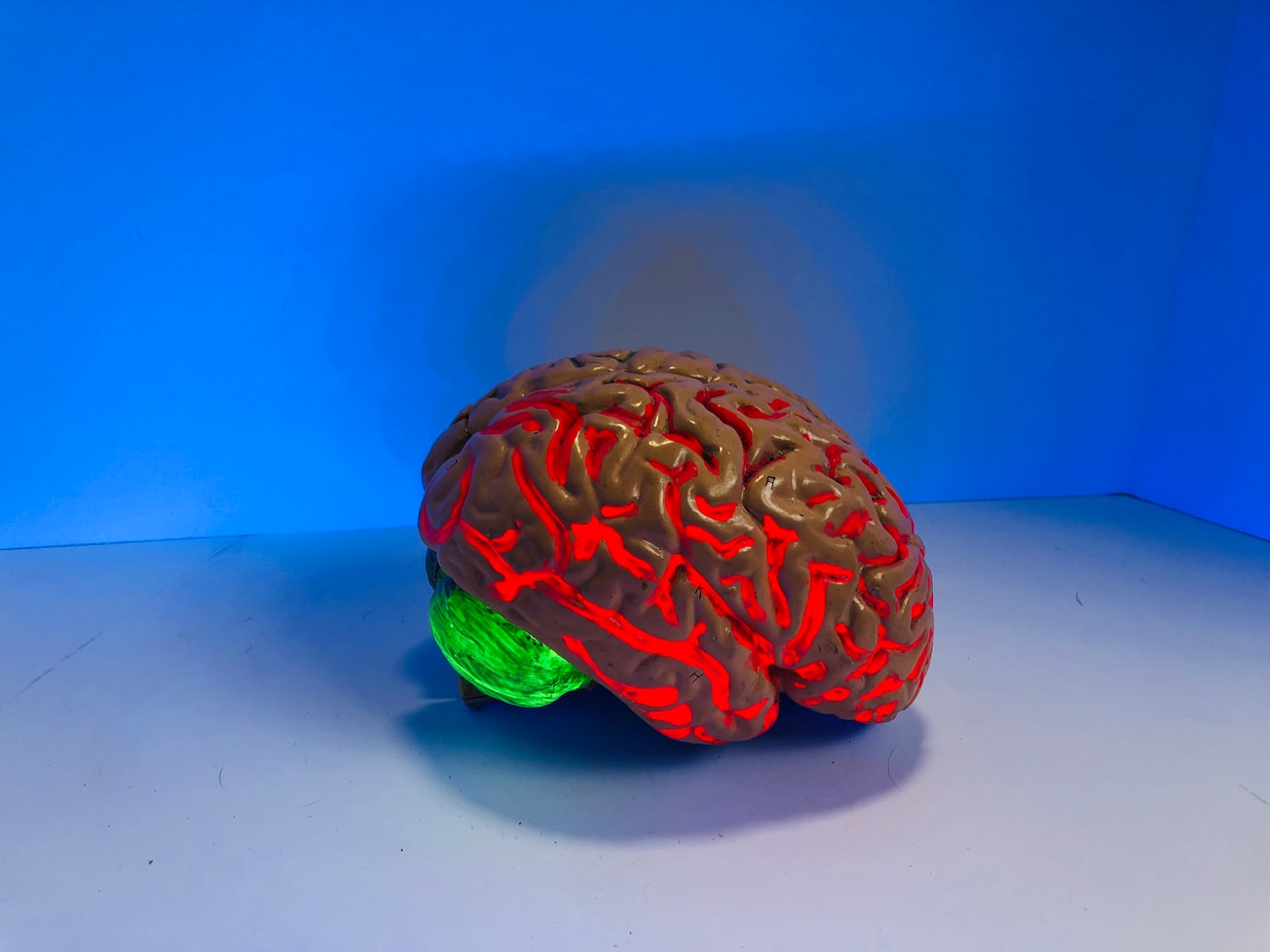
Photo by Natasha Connell on Unsplash
Why is it important?
It is a critical empirical question whether and to what degree the human brain changes over development in its functional organization.
Perspectives
It is a critical empirical question whether and to what degree the human brain changes over development in its functional organization. This study was among the very first to use rigorous techniques to address this question specifically for language and linguistic functions. Our findings reveal fascinating developmental changes in functional brain organization that show greater involvement in childhood in bilateral posterior sensoriperceptual cortical areas and greater involvement in adulthood in mostly left-lateralized anterior cortical areas during language processing and production.
Dr. Tim T. Brown
University of California at San Diego, School of Medicine
Read the Original
This page is a summary of: A dorsal frontal cortex region strongly activated in adults but not children performing identical lexical processing tasks is revealed by event related fMRI, NeuroImage, June 2001, Elsevier,
DOI: 10.1016/s1053-8119(01)91940-8.
You can read the full text:
Contributors
The following have contributed to this page







