What is it about?
This multicenter phase II study evaluated the efficacy and safety of docetaxel plus cisplatin (DP) as first-line chemotherapy in patients with recurrent and/or metastatic non-squamous-cell head and neck cancer (NSCHNC), including salivary gland cancer (SGC). Because NSCHNC is rare and biologically heterogeneous, prospective evidence supporting standard systemic chemotherapy has been limited. In this open-label, single-arm trial conducted at eight centers in Japan, patients with recurrent or metastatic NSCHNC and no prior systemic chemotherapy received docetaxel 75 mg/m² and cisplatin 75 mg/m² every three weeks for up to six cycles. The primary endpoint was confirmed objective response rate (ORR), with secondary endpoints including progression-free survival (PFS), overall survival (OS), and safety. Exploratory genomic profiling using next-generation sequencing (NGS) was also performed to identify potential therapeutic targets. Twenty-three patients were enrolled, most of whom had metastatic disease. Among 22 evaluable patients, the confirmed ORR was 45%, exceeding the predefined threshold. In patients with salivary gland cancer, ORR reached 55%, and marked tumor shrinkage was observed across several histological subtypes, including adenoid cystic carcinoma. Median PFS and OS were 6.7 months and 20.1 months, respectively. Hematologic toxicity was common, with febrile neutropenia occurring in 39% of patients; however, no treatment-related deaths were observed. Importantly, prophylactic antibiotics markedly reduced the incidence of febrile neutropenia. Genomic analyses identified potentially actionable alterations, including ERBB2, KIT, and ALK. This study demonstrates that DP chemotherapy provides meaningful antitumor activity as first-line treatment for recurrent or metastatic NSCHNC, particularly in salivary gland cancer.
Featured Image
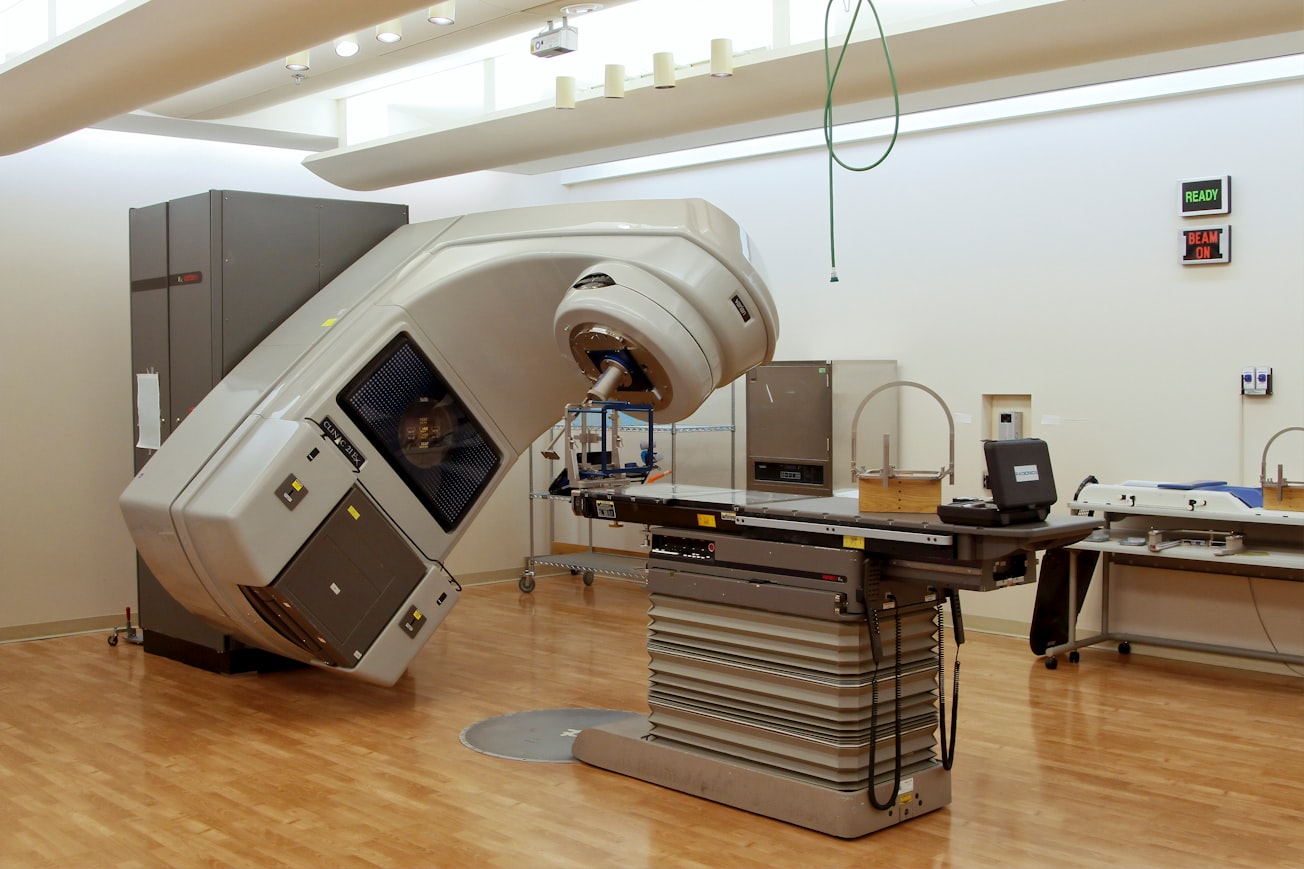
Photo by National Cancer Institute on Unsplash
Why is it important?
There is no established standard chemotherapy for recurrent or metastatic non-squamous head and neck cancers. This study is important because it provides prospective evidence that a platinum–taxane combination can achieve clinically meaningful response rates in this rare population. The results support DP as a viable first-line option, especially for salivary gland cancer, while also highlighting the need for careful toxicity management, including proactive febrile neutropenia prophylaxis.
Perspectives
These findings position DP chemotherapy as an effective cytotoxic backbone for NSCHNC, particularly in settings where targeted therapies are not available. Future studies should explore how DP can be integrated with molecularly targeted agents or immunotherapy, guided by genomic profiling and tumor biology. Together with subsequent studies on immune checkpoint inhibitors and the tumor immune microenvironment, this trial contributes to a stepwise, biology-driven approach to treatment development in rare head and neck cancers.
Naomi Kiyota
Kobe University Hospital
Read the Original
This page is a summary of: Docetaxel plus cisplatin in recurrent and/or metastatic non-squamous-cell head and neck cancer: a multicenter phase II trial, Medical Oncology, September 2021, Springer Science + Business Media,
DOI: 10.1007/s12032-021-01581-z.
You can read the full text:
Resources
Contributors
The following have contributed to this page







