
Press briefing
Synthesis of Azamacrocycle–Metal Complexes with Diverse Applications
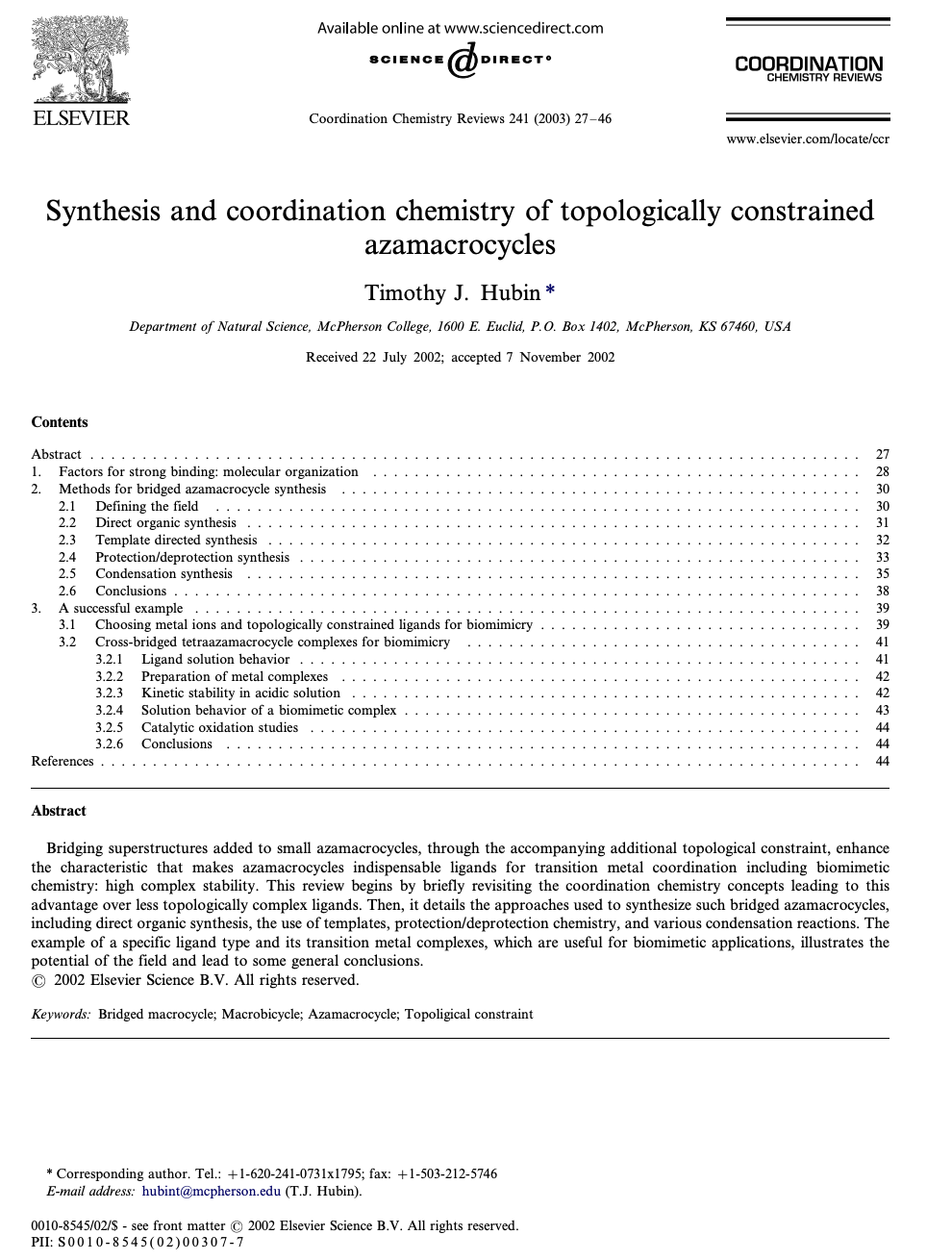
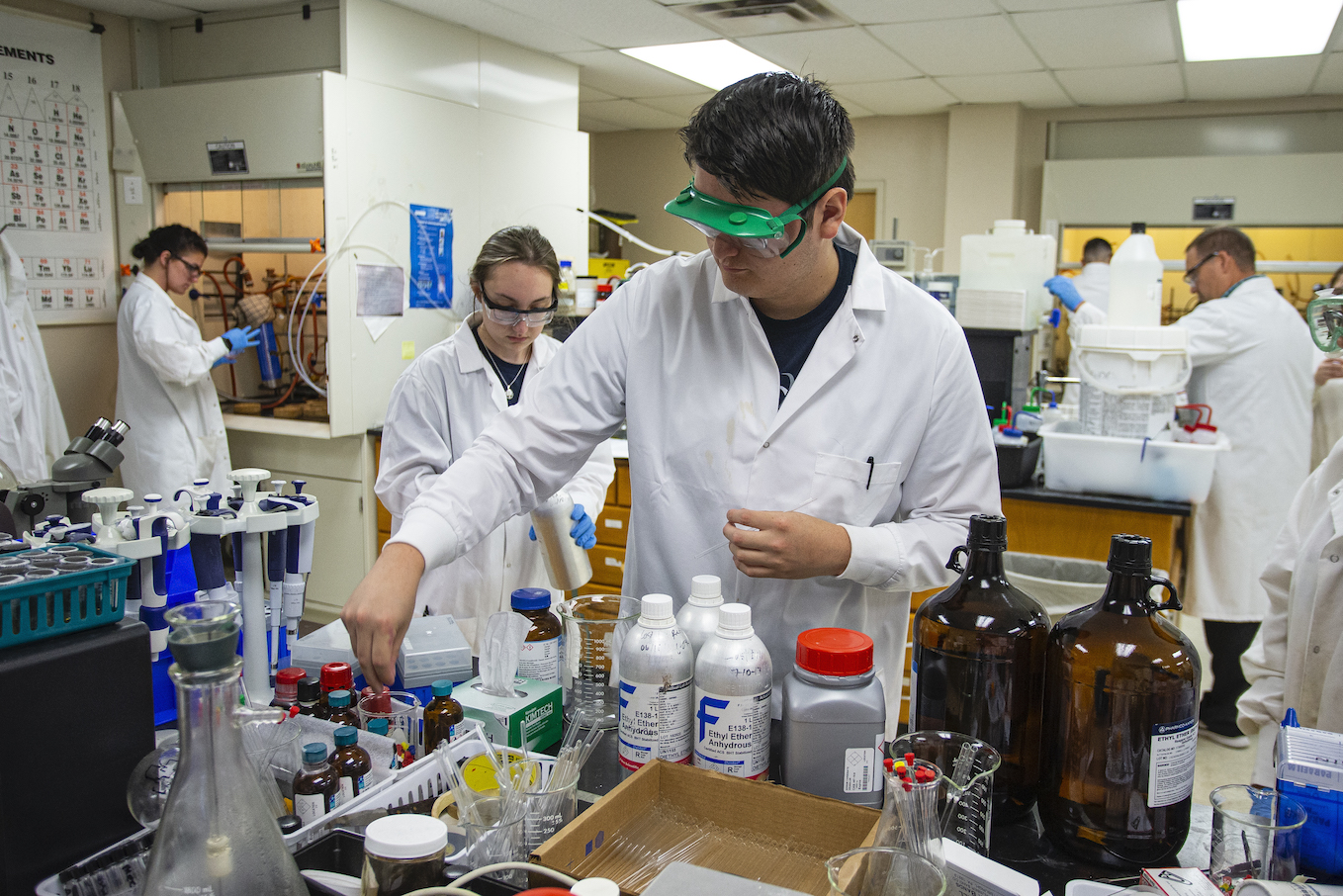
6th May 2021, Weatherford, Oklahoma – azamacrocycle–metal complexes are a class of chemicals with a diverse array of potential applications, and Professor Tim Hubin of Southwestern Oklahoma State University is hard at work developing new methods of synthesizing them. Through the use of topological constraint and rigidity factors, Professor Hubin’s laboratory can synthesize azamacrocyclic ligands that bind transition metal ions very strongly, thus forming highly stable complexes that can survive harsh conditions. Professor Hubin achieves the synthesis of such constrained azamacrocycles with methods that include direct organic synthesis, the use of templates, protection/deprotection chemistry, and various condensation reactions.
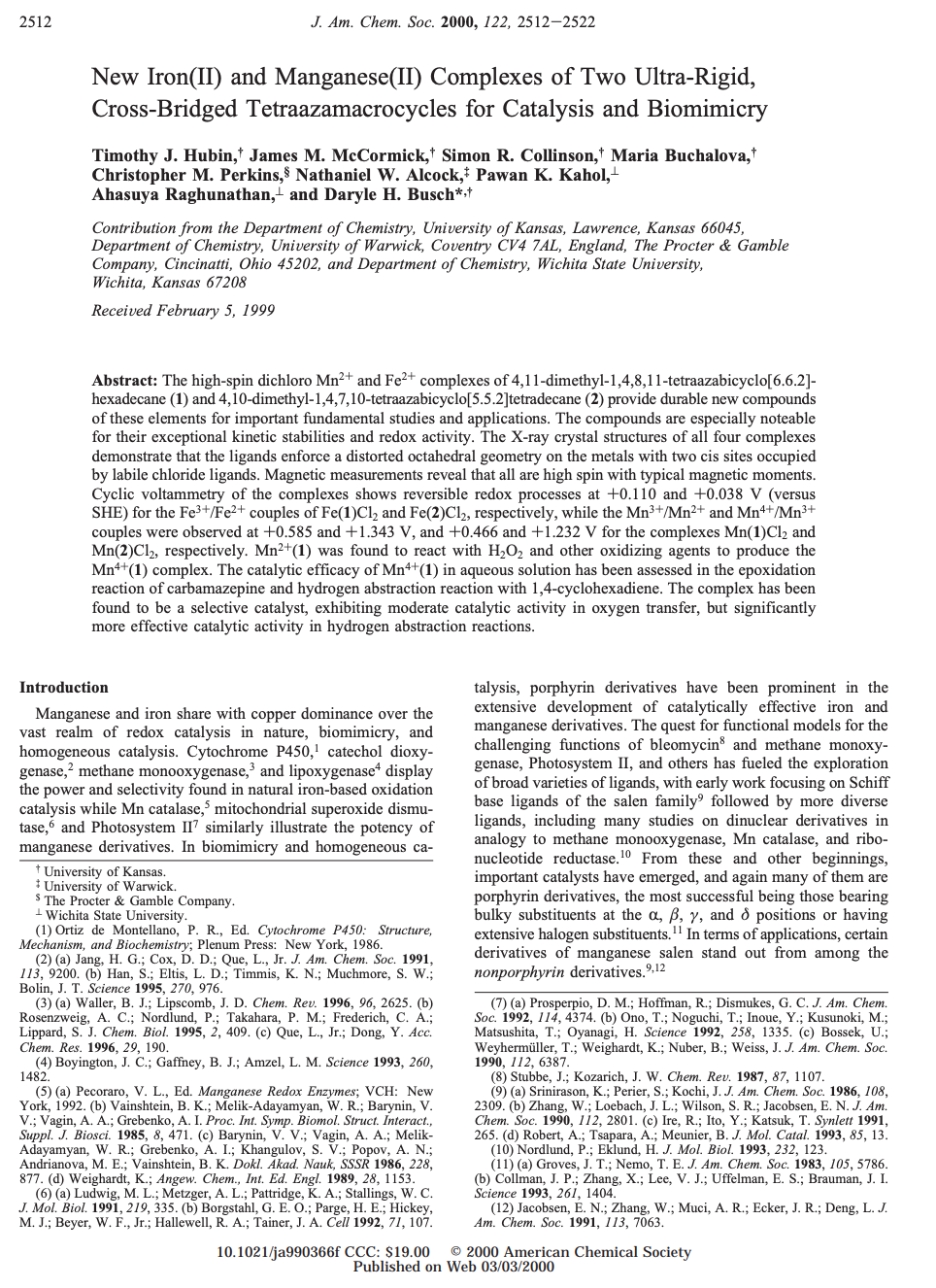
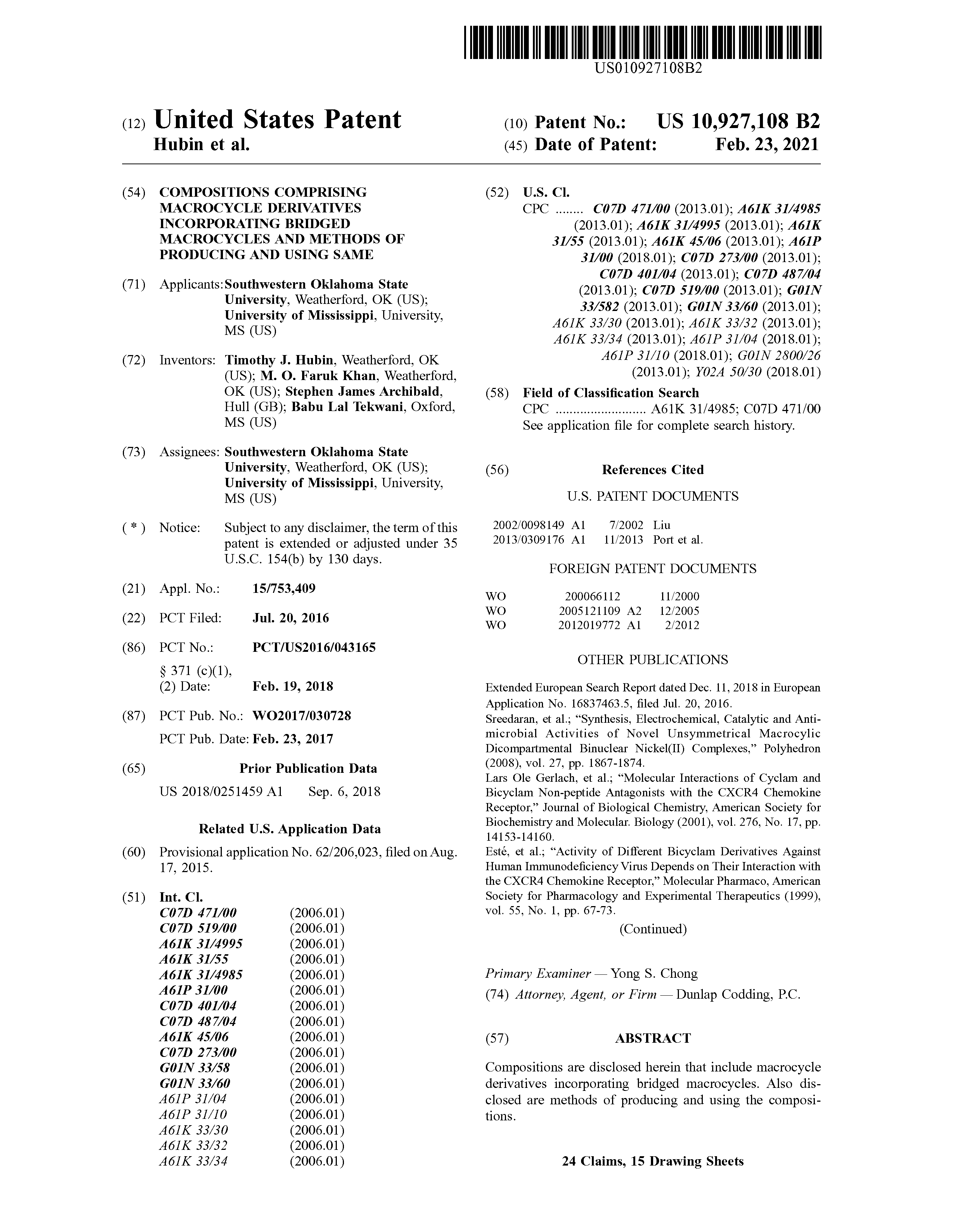
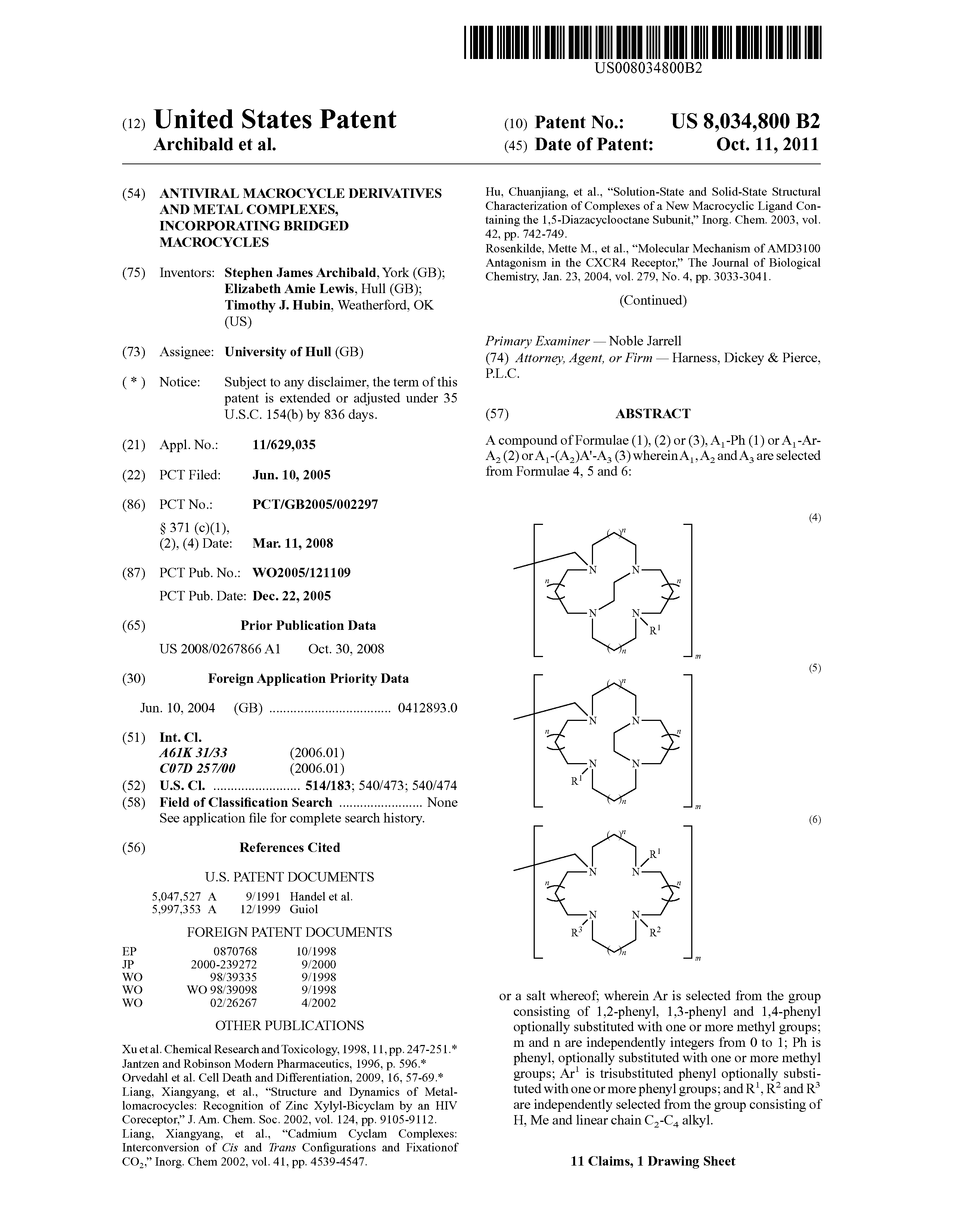
Thanks to their stability, the azamacrocycle–metal complexes synthesized in Professor Hubin’s laboratory may have important applications in diverse fields such as aqueous oxidation catalysis, medical imaging, and the creation of metal-containing drug molecules. In recent years, Professor Hubin’s work has led to the synthesis of such structurally sophisticated molecules as ethylene cross-bridged pentaazamacrocycles complexed with copper ions, dibenzyl tetraazamacrocycles, and high-spin iron–tetraazamacrocycles complexes. His work has also yielded azamacrocyclic compounds that bind chemokine receptors and could therefore prove useful as PET cancers and anticancer therapeutics.
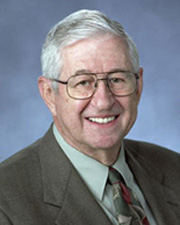
Professor Hubin completed his Ph.D. in the laboratory of Professor Daryle H. Busch of the University of Kansas, and he credits Professor Busch with being the originator of much of the conceptual knowledge behind his research on azamacrocycle–metal complexes. Applying concepts from Professor Busch’s research has been a critical part of Professor Hubin’s successful efforts to synthesize transition metal complexes of ethylene cross-bridged azamacrocycles.
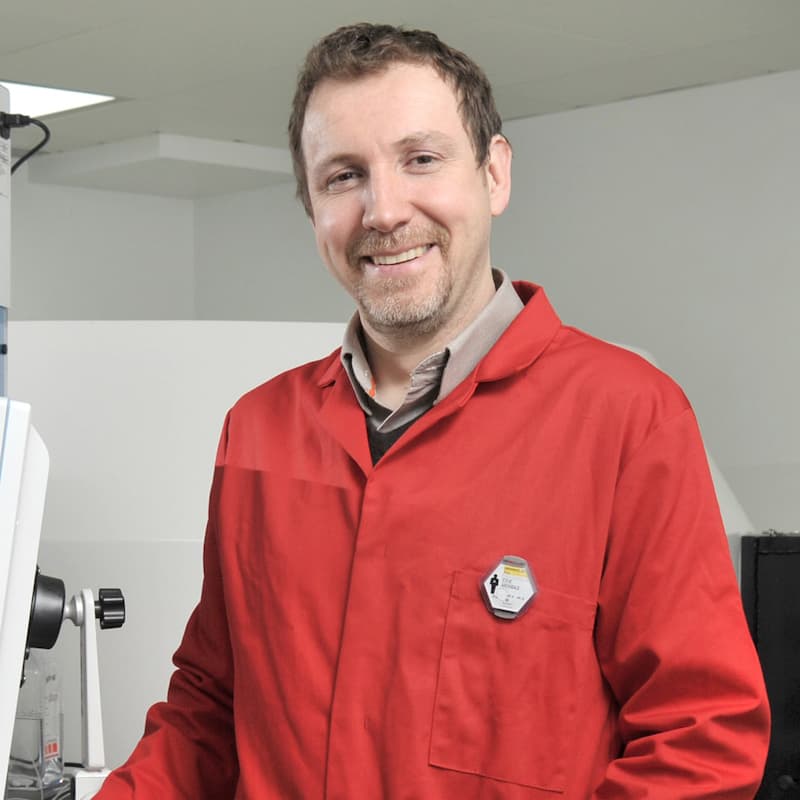
Professor Stephen J. Archibald of Hull University is one of Professor Hubin’s key collaborators. Their work together, which focuses on the applications of azamacrocycle–metal complexes in the field of medical imaging, has yielded several papers and patents.