Publication
DNA epigenetic marks are linked to embryo aberrations in amphipods
Screening of chemical DNA modifications can provide information on the epigenetic changes and embryo aberrations related to chemical exposure in the Baltic Sea.
Elena Gorokhova
Participants (ACES, Stockholm University) Elena Gorokhova, Brita Sundelin, Hitesh Motwani, Giulia Martella
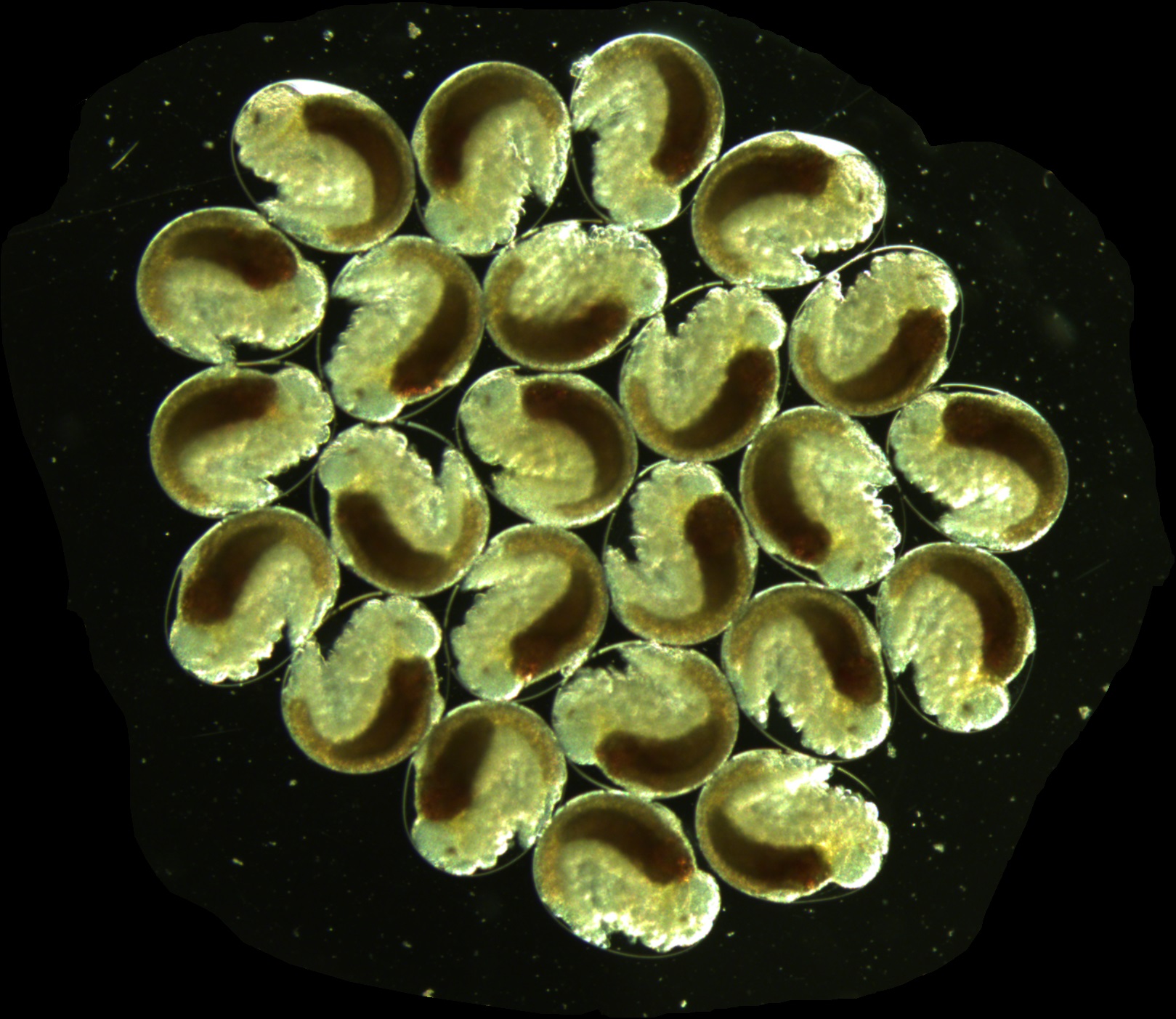
The Marine Strategy Framework Directive (MSFD) poses a challenge for the scientific community to translate the ideas and principles into realistic and scientifically sound approaches for environmental health assessment. We develop assessment criteria for reproductive disorders in amphipods (embryo aberrations) as indicators of biological effects of contaminants. The project is funded by FORMAS.
The outcome of the work will provide ready-to-use contaminant effect indicators for implementation in MSFD, with recommendations on the statistical evaluation and Good Environmental Status (GES) thresholds for populations in the Bothnian Bay, Bothnian Sea, and Baltic proper. The targets will be conceptually and methodologically harmonized within HELCOM, OSPAR and ICES.
The scientific challenge here is to assign chemical contaminants as the driving forces behind embryo aberrations, establish the assessment criteria for the selected indicators and suggest how to integrate them with chemical measurements of contaminants in biota and sediments.

Stockholm University
Screening of chemical DNA modifications can provide information on the epigenetic changes and embryo aberrations related to chemical exposure in the Baltic Sea.
Undersökningarna visar att biologiska indikatorer inklusive fortplantning och biomarkörer hos vitmärla kan användas för miljöhälsobedömning i Östersjön.