

Project

NASH Chemistry: Nucleophilic Aromatic Substitution for Hydrogen, a fundamentally green process

James Bashkin

What is it about?

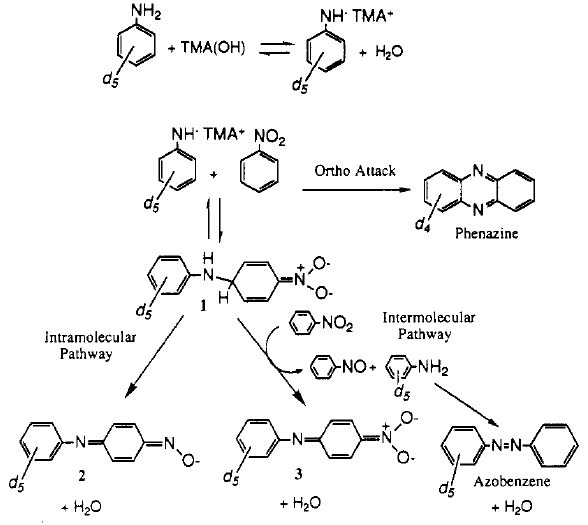
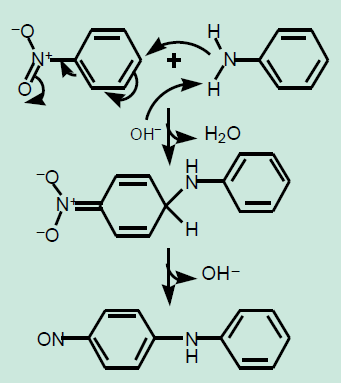
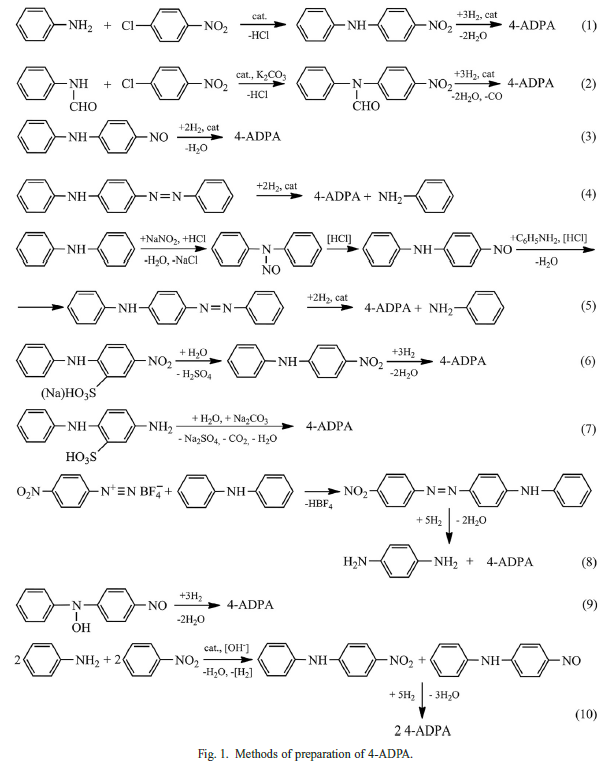
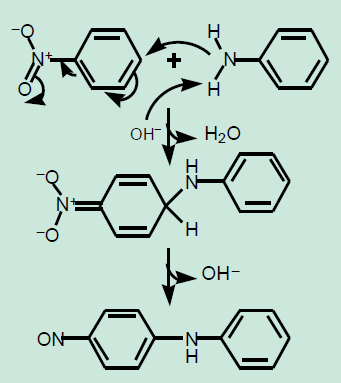
Eliminating the need for halide leaving groups means that haloaromatics never need to be prepared in the first place, and at least two equivalents of halide ions are prevented from ever entering waste streams. The direct nucleophilic substitution for aromatic hydrogen on nitrobenzene by aniline accomplishes this goal and has done so on a huge industrial scale.

Why is it important?

Decreasing pollution by pollution prevention is much more efficient than pollution remediation. It is worthwhile to consider this approach for commodity chemicals, as the rubber chemicals industry has done, and for specialty and pharmaceutical molecules, especially since so much medicinal chemistry is done near urban or suburban settings.

Perspectives

In this work, we showed that it was possible to decrease pollution from a process while decreasing costs simultaneously. In other words, there is an economic incentive for revisiting and improving old chemical processes to make them (at least more) environmentally friendly. This collaborative project resulted in the Presidential Green Chemistry Challenge Award for the team in 1998 and Monsanto's highest science and technology prize, the Thomas and Hochwalt Award, in 1994, to JK Bashkin and MK Stern. Key collaborators included Roger Rains, Jim Allman, and Fred Hileman, with recent collaborators including V.V. Bochkarev and L.S. Soroka, both of Tomsk Polytechnic University, Russia. The process is now owned by Eastman Chemical Company and was originally developed at Monsanto and Flexsys.

Audience briefings2 total

Resources10 total

Who is involved?