Press briefing
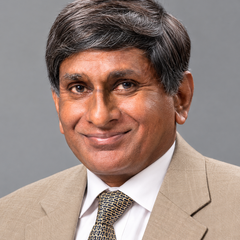
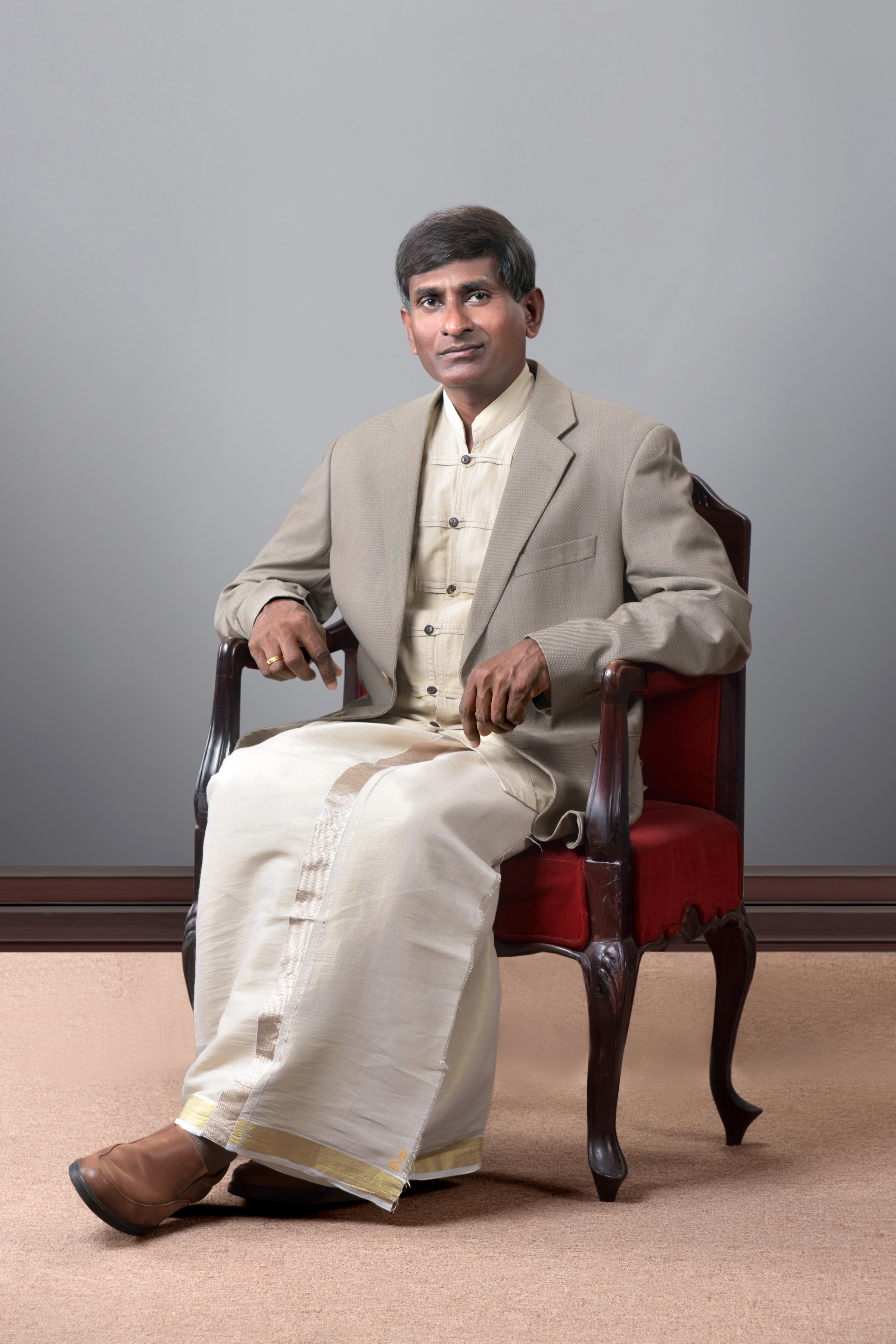
Dr. Muttukrishna Sarvananthan: An Expert on the Economic Development of Sri Lanka’s Conflict Areas
7th June 2021, Point Pedro, Sri Lanka – between 1983 and 2009, Sri Lanka experienced a devastating civil war that caused the deaths of tens of thousands of civilians. During the war, a separatist group calling itself the Liberation Tigers of Tamil Eelam (often shortened to Tamil Tigers) waged a protracted insurgent campaign against the Sri Lankan government in an attempt to create an independent Tamil state in the northern and eastern regions of the island, and Sri Lanka’s Northern and Eastern Provinces bear the scars of the war to this day. Promoting the economic development of these provinces is therefore seen as a key component to any plan for avoiding renewed hostilities, and Sri Lankan policymakers have a strong interest in evidence-based insights into the policies that best serve to promote such economic development.
One person who can offer such insights is Muttukrishna Sarvananthan, PhD, a developmental economist who specializes in researching the economic development of Sri Lanka. Dr. Sarvananthan serves as a Principal Researcher at the Point Pedro Institute of Development, which he founded in 2004. Dr. Sarvananthan is the author of numerous publications concerning topics relevant to Sri Lanka’s economic development. These topics include the difficulties facing women in conflict-affected regions, workers’ rights in the postwar Northern Province, the elusiveness of an economic peace dividend, vocational education and training in the Northern Province, election results in the postwar Northern and Eastern Provinces, and the economic drivers of cities in the postwar Eastern Province.
By carefully considering the lessons from Dr. Sarvananthan’s research, Sri Lankan policymakers can build a better future for their county, a future in which the different regions and ethnic groups within Sri Lanka can partake in the economic development that improves lives and reduces the likelihood of future interethnic conflicts.