

Project

Endovenous thermal ablation (EVTA) of Varicose Veins - Understanding the science

Mark Whiteley

What is it about?

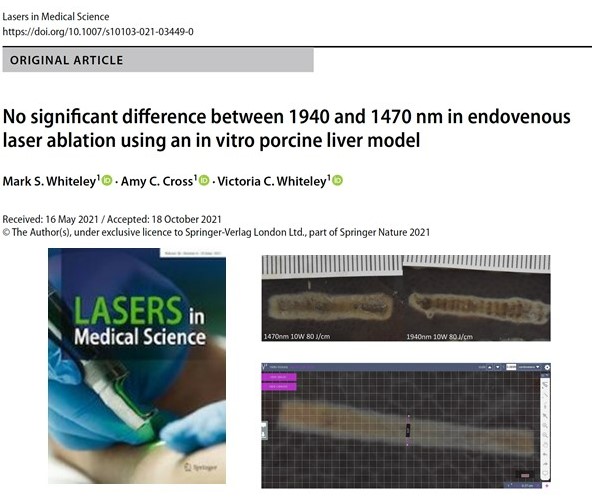
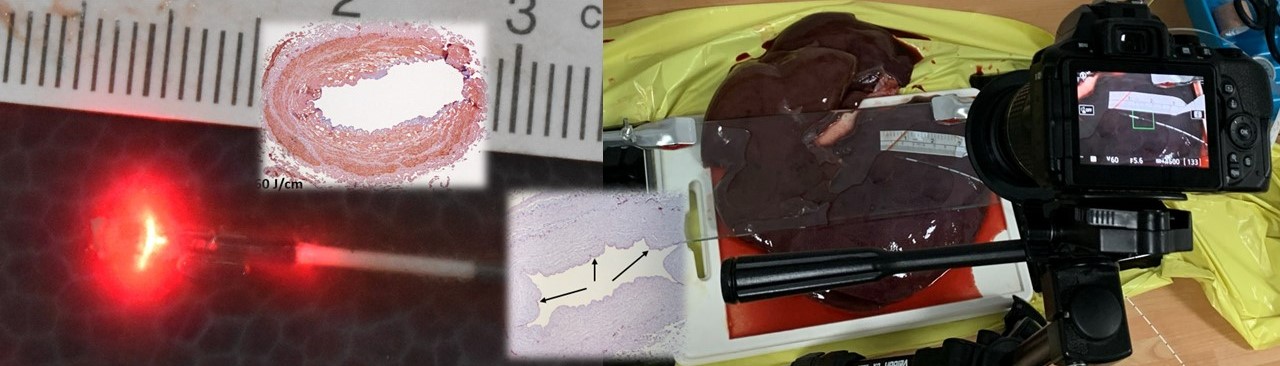
Endovenous Thermal Ablation (EVTA) of varicose veins is now the recommended first-line treatment. This project aims to understand the mechanism of EVTA, ensuring the best results, regardless of which device is used - and to help design new devices for the future.

Why is it important?

EVTA is usually endovenous laser ablation (EVLA) or Radiofrequency Ablation (RFA). However, there are now new methods such as Steam Vein Sclerosis (SVS) or Endovenous Microwave Ablation (EMWA). There are a great many different devices - and many doctors and hospitals get poor results even when using the same devices as others who get better results.

By understanding the science between the devices, how they work and how they interact with the vein wall, we can optimise all treatments to get the best outcomes for patients.

Perspectives

Since I did the first Endovenous procedure in the UK in March 1999, I have been studying how these devices work and their effect on the vein wall.

Even now we see patients from other doctors and clinics who have had the right treatment with a good device, but a poor outcome - usually recurrence of their treated veins.

By studying the science behind EVTA, we can check which devices work, how to use them optimally, and tricks and tips for when they might not perform as expected.

All of our results get incorporated into The Whiteley Protocol, to ensure that our patients get the best long term results that are possible to achieve.

Resources26 total

Who is involved?