Press briefing
Dr. Daniele Naviglio—Facilitating the Study of Nutrition through Analytical Chemistry
24th January 2022, Naples, Italy – with globally increasing work hours and workloads, people are constantly striving to be healthier. At the very core of this dream is proper nutrition. But how do we eat and eat effectively? These are some of the questions Dr. Daniele Naviglio, Professor of Analytical Chemistry at the University of Naples Federico II has spent his life exploring.
Dr. Naviglio is perhaps best known for his invention of the Extractor Naviglio®. Extracting nutrients from plants comes with a major drawback—a rapid decrease in nutritional value due to the application of heat in the extraction process. Using a novel extraction technique, Dr. Naviglio was able to scientifically demonstrate the successful extraction of phytonutrients from plants such as camomile, calendula, peppermint, and tea, without the use of heat.
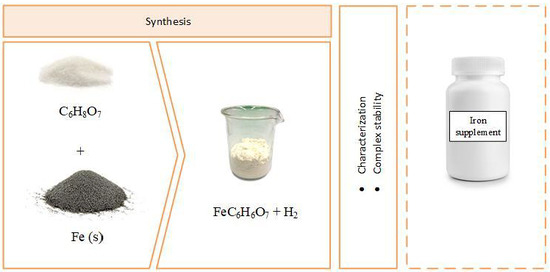
Dr. Naviglio has not only undertaken cutting-edge engineering innovations but has also focused another key scientific areas: chemical synthesis. Quite recently, he was able to successfully synthesize iron (II) citrate. Iron (II) citrate is absorbed more efficiently than the commercially available iron (III) citrate. The synthesis of this compound is particularly important because it serves as a high-quality nutritional supplement for iron.
Dr. Naviglio has also been a pioneer in the field of nutritional regulations. Using advanced analytical chemistry methods, Dr. Naviglio and his research team estimated the amounts of total free cholesterol in Italian chicken eggs. Their findings showed that the total free cholesterol in these eggs is between 120–193 mg/egg as compared to the previously reported value of 213 mg/egg. This work could potentially revamp the dietary recommendations for chicken eggs.
Over the course of his 25-year career, Dr. Naviglio made priceless contributions to the field of analytical chemistry and has paved the way for further research in nutrition and dietetics, with special emphasis on analysis, synthesis, and scientific technique.