Publication
DNA epigenetic marks are linked to embryo aberrations in amphipods
First application of DNA adductomics for environmental health assessment using sediment-living amphipod as an indicator species in the Baltic Sea.
Elena Gorokhova
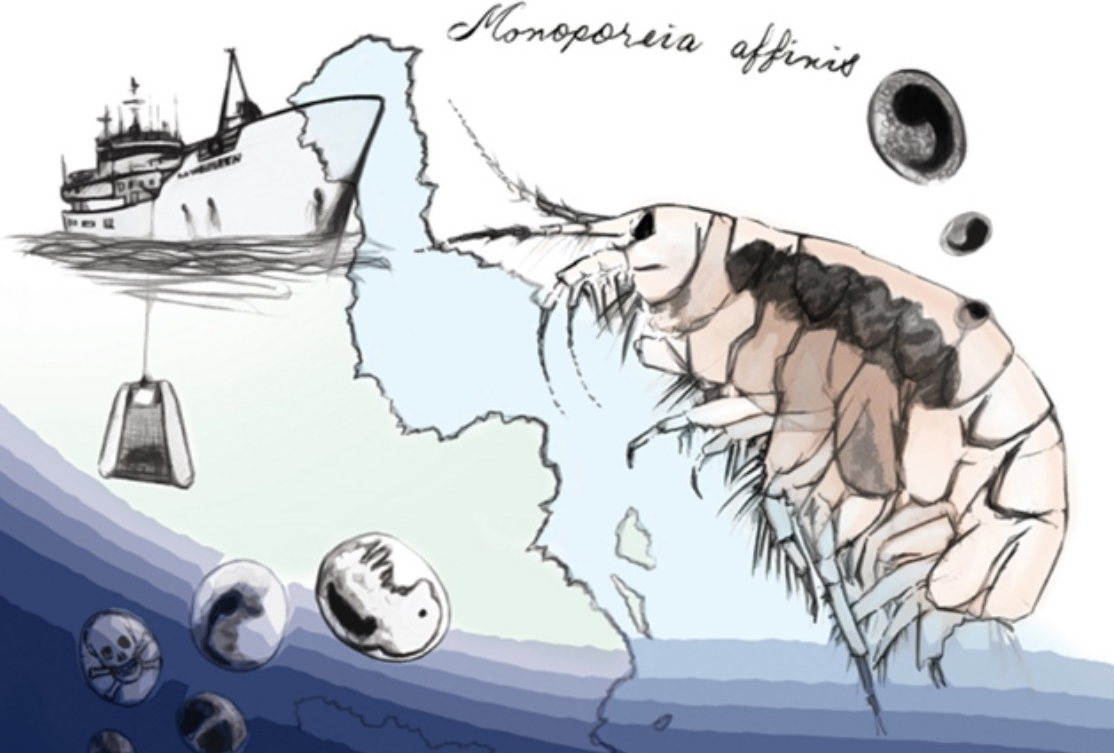
Project team: PI: Elena Gorokhova; Co-PI: Ann-Kristin Eriksson-Wiklund, Co-PI: Anna Sobek Drs Brita Sundelin, Gastón Alurralde, Hitesh Motwani, Sebastian Abel PhD students: Sophie Steigerwald, Giulia Martella Embryo development pathologies indicate reproductive toxicity due to the presence of hazardous substances or diseases. In the project INSERT, we are developing an understanding of how they occur in small animals inhabiting sea bottom, where they are exposed to multiple environmental contaminants accumulated in sediments, but also to a plethora of other environmental factors, such as temperature. The project is funded by Swedish EPA (Naturvårdsverket).
Understanding reproductive toxicity in amphipods resulting from contaminant exposure is important from both basic biology and applied perspectives. Reproductive disorders and malformed embryos of amphipods is a supplementary indicator for environmental status assessment within Marine Strategy Framework Directive. To support this indicator, we use long-term monitoring data complemented with experiments and a state-of-the-art analysis of biomarkers, genotoxicity markers, and stable isotopes to understand the contaminant-specific effects on the amphipod reproduction.
A common misconception is that indicators of biological effects are needed to identify the bare presence of chemical contamination in the environment. Moreover, practical application of these indicators is often questioned, because analytical measurements can provide a more precise way of concentration-based contaminant assessment. However, unlike the chemical concentrations in the environmental compartments, the biological effect indicators can tell us not only about the things we measure but also about the compounds we are not measuring (and not even aware of) today. These indicators also tell us about the mixture and cumulative effects in specific systems and populations.

Stockholm University
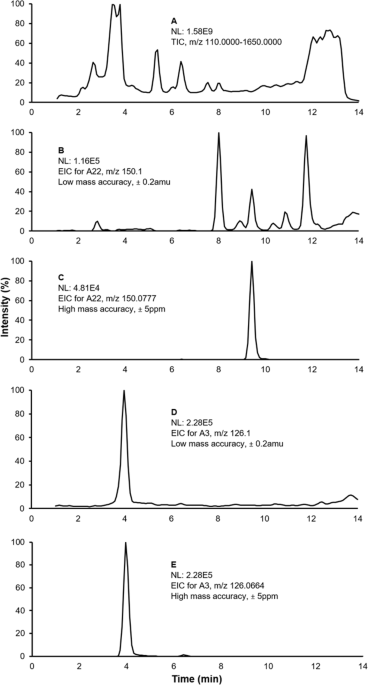
First application of DNA adductomics for environmental health assessment using sediment-living amphipod as an indicator species in the Baltic Sea.
In this experiment, we studied how hypoxia and pollution, the two major factors responsible for decline in habitat quality, affect health of benthic animals.
The Marine Strategy Framework Directive (MSFD) poses a challenge for the scientific community to translate the ideas and principles into realistic and scientifi
Naturvårdsverket stödjer sju forskningsprojekt bl a INSERT om kumulativa effekter på miljön, med fokus på metodutveckling och analysverktyg.
Eutrophication status assessment for benthic communities should account for the adverse effects of environmental contaminants, i.e., the cumulative effects.