What is it about?
Flexural-mode piezoelectric resonators underpin gravimetric sensing, mass detection, and energy applications, yet their design space is scattered across decades of literature. This review consolidates their structures, performance metrics, and emerging physical-sensing applications, comparing beam, disk, and plate architectures and analyzing trade-offs among sensitivity, quality factor, and integration. It is written as a working reference for sensor designers choosing resonator architectures.
Featured Image
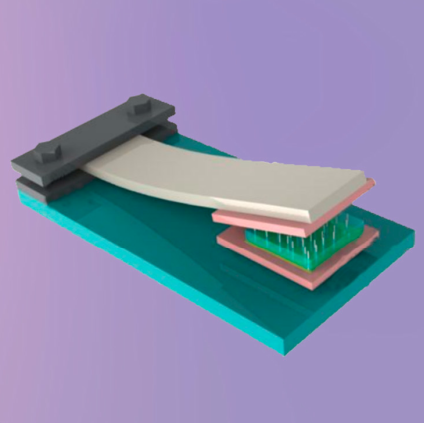
Photo by on Unsplash
Why is it important?
A good review saves the community years of rediscovery. By organizing flexural-mode resonators by application logic rather than chronology, we wanted engineers to reach the right architecture faster.
Perspectives
Piezoelectric resonators are widely explored for miniaturized sensing and energy systems, yet flexural-mode devices deserve systematic review for cross-domain deployment. Cai et al. summarize the structural design, performance metrics and emerging applications of flexural-mode piezoelectric resonators covering physical sensing, micropower generation and biomedicine. This overview clarifies design trade-offs and identifies key bottlenecks. It offers valuable guidance for developing compact piezoelectric devices toward wearable sensors and micro-energy systems.
Professor Wei Li
Huazhong University of Science and Technology
Read the Original
This page is a summary of: Flexural-Mode Piezoelectric Resonators: Structure, Performance, and Emerging Applications in Physical Sensing Technology, Micropower Systems, and Biomedicine, Sensors, June 2024, MDPI AG,
DOI: 10.3390/s24113625.
You can read the full text:
Contributors
The following have contributed to this page







