What is it about?
Land use changes are local phenomena with global impact. They have an impact in a cumulative sense on biodiversity or soil degradation. This study aimed to examine the effects of different land-uses (arable land, permanent grasslands, abandoned grasslands, forest land) on the selected biotic and abiotic soil parameters in the Slovak mountain study sites Liptovská Teplička and Tajov. Biotic (microbial community structure, earthworm number and fresh body biomass, arthropod number and fresh body biomass), and abiotic chemical soil parameters (pH, total organic carbon, total nitrogen, nutrients) were measured.
Featured Image
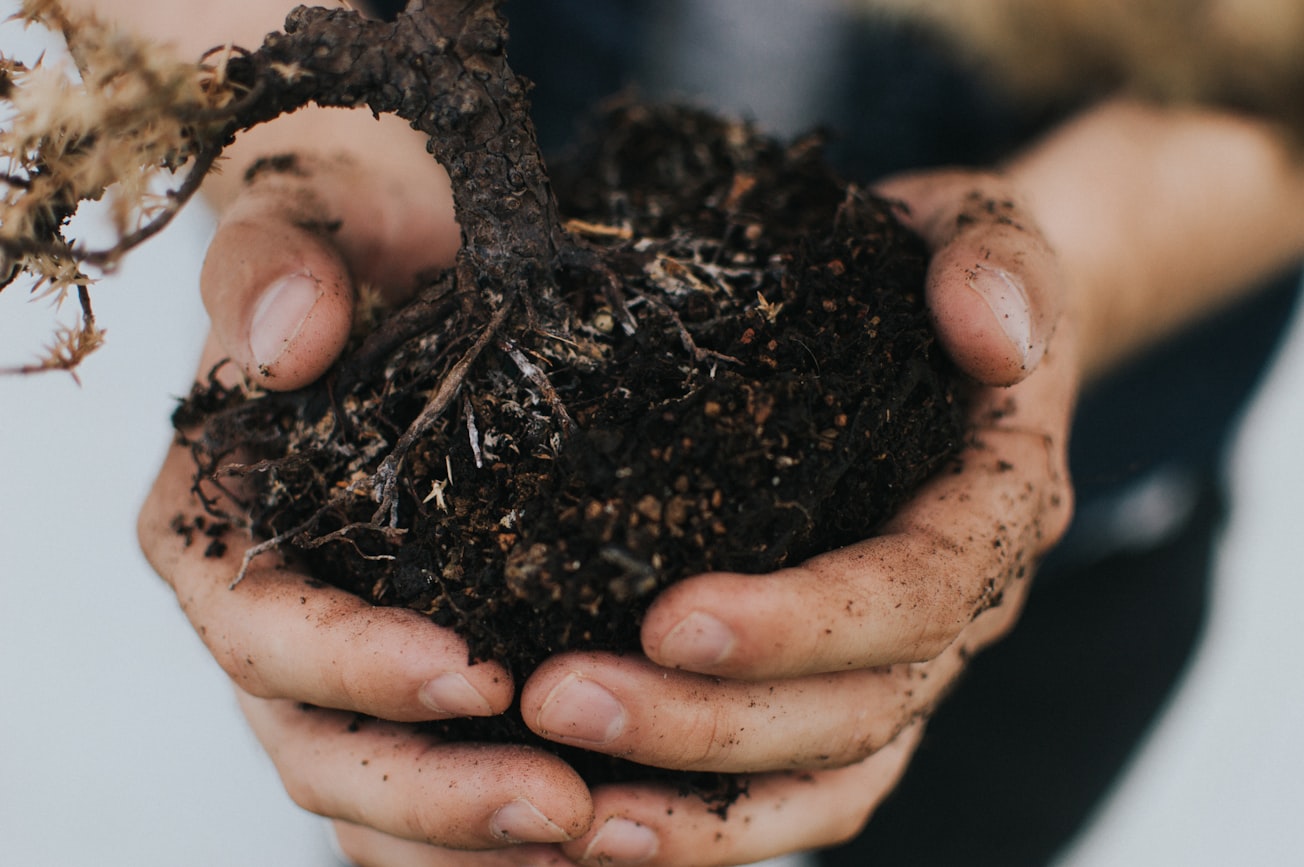
Photo by Kyle Ellefson on Unsplash
Why is it important?
According to MALDI-TOF (Matrix Assisted Laser Desorption Ionization-Time of Flight), several bacterial strains were identified. Mutual relations between soil microorganisms and soil biotic and abiotic properties determined by different land uses were analysed. Microbial response expressed as average well-colour development (AWCD) values indicated relations between higher microbial diversity and higher nutrient availability at both study sites. In the comparison of land use types, permanent grasslands (PG) showed the lowest microbial activity in the depth of 0–0.1 m. But in the depth of 0.2-0.3 m in PG of both study sites, the higher microbial activity was recorded compared to the depth of 0-0.1 m. In addition, lower AWCD values in PG were in line with the lower available P and K content but higher earthworm density and biomass.
Perspectives
The microbial members of soil communities are the most sensitive and rapid indicators of perturbations and land use changes. Land use change is a key component of global changes and largely impacts ecosystem structures, processes and functioning (Don et al., 2011). Soil biota contributes substantially to the resistance and resilience of agroecosystems to abiotic disturbance and stress (Brussaard et al., 2007). But the excessive use of pesticides can drastically modify the function and structure of soil microbial communities (Pampulha, Oliveira, 2006). Soils subjected to disturbance by tillage, however, can be more susceptible to reductions in soil microbiota due to desiccation, mechanical destruction, soil compaction, reduce pore volume, and disruption of access to food resources (Giller, 1996).
PhD. Jana Judova
Trencianska Univerzita Alexandra Dubceka v Trencine
Read the Original
This page is a summary of: The Contingency of Soil Microorganisms and the Selected Soil Biotic and Abiotic Parameters Under Different Land-Uses, Ekológia (Bratislava), June 2019, De Gruyter,
DOI: 10.2478/eko-2019-0008.
You can read the full text:
Contributors
The following have contributed to this page







