What is it about?
Polymer films only micrometers thick are everywhere — in packaging, flexible electronics, and membranes — but measuring their true mechanical properties is notoriously hard because the samples are too delicate to grip conventionally. We developed a push-to-pull device methodology for freestanding polymer films that combines quantitative tensile testing, postmortem electron microscopy imaging, and glass-transition temperature measurement in one workflow. A key innovation was a cryogenic solvent-based sample transfer that avoids damaging the film, and an FIB-free specimen preparation route that eliminates beam-irradiation artifacts, enabled by oversized strain-locking device designs. An adaptation for in situ heating extends the method to temperature-dependent studies.
Featured Image
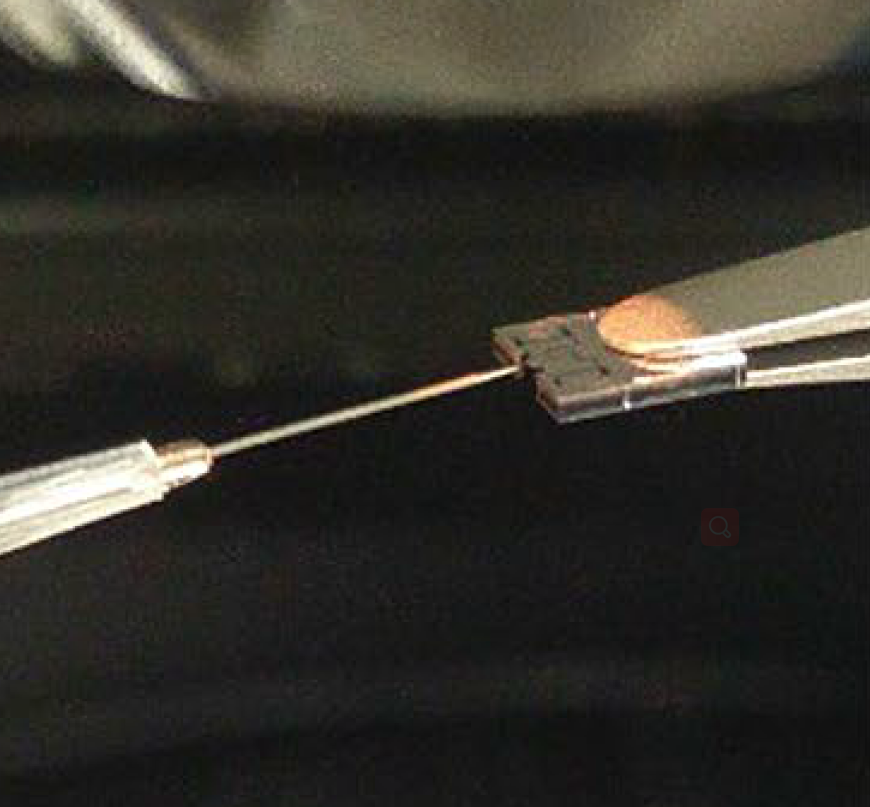
Photo by on Unsplash
Why is it important?
Reliable mechanical data on ultrathin polymers underpins material selection for flexible electronics, biomedical implants, and packaging barriers. By removing preparation artifacts and combining three characterization modes in a single platform, this method gives polymer engineers numbers they can actually trust — and a practical route to glass-transition measurement on films too small for conventional DMA.
Perspectives
Most of the effort in this paper went into not destroying the sample before the test began. Learning to handle microtomed films with cryogenic solvents taught us that in small-scale mechanics, sample preparation is the experiment.
Professor Wei Li
Huazhong University of Science and Technology
Read the Original
This page is a summary of: Nanomechanical testing of freestanding polymer films: in situ tensile testing and Tg measurement, Journal of Materials Research, April 2021, Springer Science + Business Media,
DOI: 10.1557/s43578-021-00163-z.
You can read the full text:
Contributors
The following have contributed to this page







