What is it about?
Xylopia aethiopica (uda) is a spice from an evergreen aromatic tree traditionally used for the treatment of rheumatism, headache, neuralgia, and colic pain in ethnobotany. It is also used in the African cuisine. In this research, we evaluated the use of X. aethiopica for short term storage of cowpeas (beans). Cowpeas are often destroyed by weevils (Callosobruchus maculatus), which render them unsuitable for human consumption. This tropical spice (Xylopia aethiopica) was applied in combination with four packaging materials (white polyethylene bag; black polyethylene bag, plastic cans and clay pot). The clay pot has been in use for the traditional storage of grains. The optimal concentration of X. aethiopica required for storage of whole cowpea seeds was determined by infesting 10 g of seeds stored with 0-1 g X. aethiopica with 5 Callosobruchus maculatus individuals. C. maculatus emergence was counted daily for 30 days. An optimum concentration of 0.5 g X. aethiopica dust per 100 g seed eliminated C. maculatus within 24-48 h. Whole cowpea seeds were then stored in white and black polyethylene bags (WPB and BPB), clay pots (CP) and plastic cans (PC) using 0.5 g X. aethiopica dust per 100 g of cowpeas and infested with 5 C. maculatus individuals per 10 g of seeds. Physicochemical properties of the seeds were monitored every fortnight for over 24 weeks. This spice was found to improve the storage life of cowpeas and is suitable for short term storage of beans (cowpeas). Pulverized dried X. aethiopica seeds (0.5g per 100g seeds) in plastic containers will keep cowpeas seeds wholesome and cause them to retain their nutrient composition; functional properties and more than 90% of their viability for at least three months. Use of clay pot which is a traditional method for cowpea storage is not recommended since it allows weevil infestation and the loss of nutrients. White polyethylene bags are better suited for bean storage than black polyethylene bags. Plastic cans may be used for short term cowpea storage. In combination with Xylopia aethiopica plastic cans may be used to store cowpea seeds (beans) for at least six months. The best storage container for short term cowpea storage in homes is plastic cans. Combined with Xylopia aethiopica plant product powder or filled cans lined with X. aethiopica fruits will keep wholesome for over six months of storage. Three cowpea varieties (a local variety, an insect susceptible variety and an insect resistant variety) were used to study the effect of insect infestation and packaging material on the nutritional quality and functional properties of the cowpea flours and protein concentrates. Infestation reduced the fat, protein and prolamin fractions of the protein concentrate of the cowpeas in all cases. The improved variety for insect resistance (IT 81D-975) was the least affected. Storage for 24 weeks in plastic cans led to better retention of emulsion properties (which were higher in the insect resistant variety than in others). Fatty acid content and peroxide values (which are indices of deterioration) increased by over 100 % in all cases. The variety and the type of packaging material affected the composition of cowpea flours and concentrates. The prolamin fraction of the protein concentrate was the most badly affected (over 25 % reduction). Insect resistant varieties should be stored in plastic cans for short term domestic use.
Featured Image
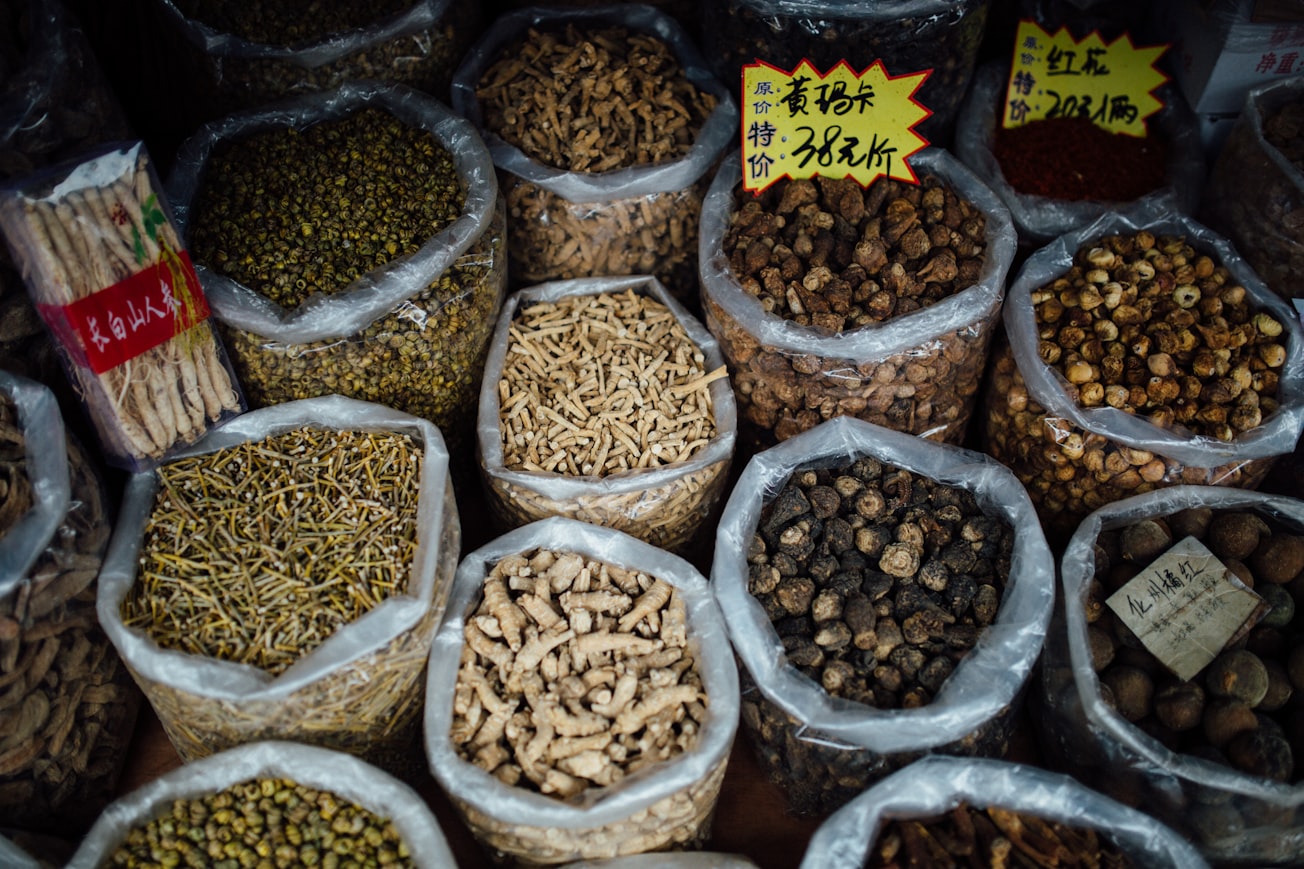
Photo by Hanson Lu on Unsplash
Why is it important?
Deterioration in seed quality caused by insect infestation depletes even the protein concentrate and fractions Insect resistant varieties of grains should be used and they should be properly packaged
Perspectives
Insect infestation of grains reduces the nutrient composition, alters the functional properties and introduces harmful substances into the grains.
Professor Philippa C OJIMELUKWE
Michael Okpara University of Agriculture Umudike, Abia state, Nigeria
Read the Original
This page is a summary of: , Plant Foods for Human Nutrition, January 2002, Springer Science + Business Media,
DOI: 10.1023/a:1015218715716.
You can read the full text:
Contributors
The following have contributed to this page







