What is it about?
Wearable energy harvesting demands materials that are flexible, light, safe against skin, and processable at scale. The polypropylene ferroelectret nanogenerator (FENG) meets all four: a soft polymer foam with internal charged voids that generates electricity from everyday deformation. This work establishes the FENG's material and device characteristics for wearable applications — quantifying its output under realistic mechanical stimulation and demonstrating its compatibility with flexible device architectures — positioning it as a practical pathway toward self-powered wearables.
Featured Image
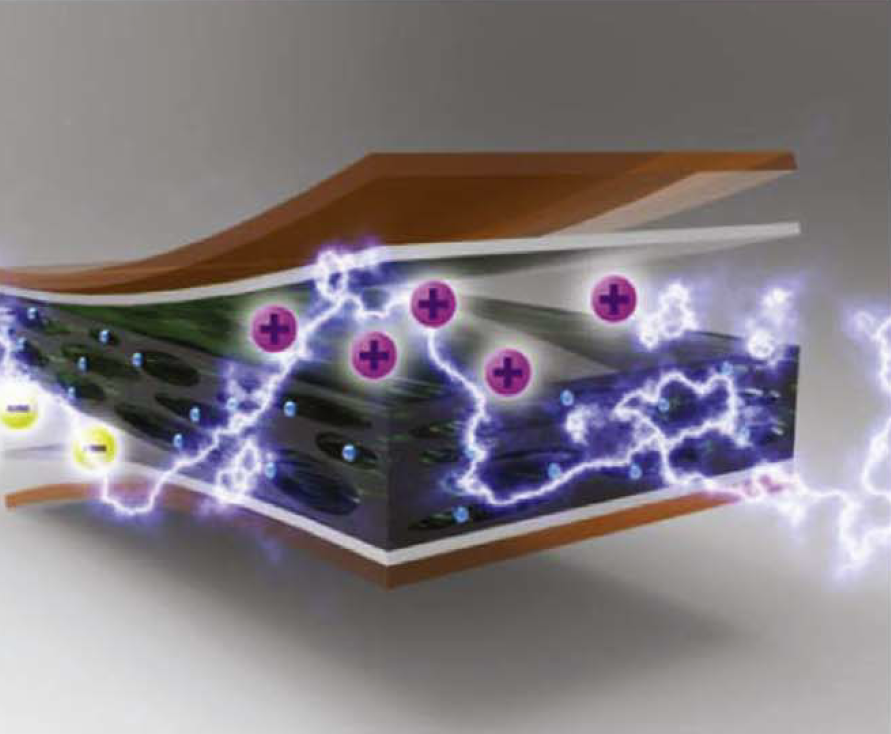
Photo by on Unsplash
Why is it important?
FENGs bring piezoelectric harvesting to formats ceramics cannot: soft, foldable, biocompatible films. Demonstrating robust performance under wearable-relevant conditions is the step that moves ferroelectret technology from laboratory promise to device platform for self-powered health monitors and electronic textiles.
Perspectives
Ferroelectret film feels like nothing special — soft, slightly foamy plastic. Realizing it could power a wearable was the moment polymer foam became, for us, an electronic material.
Professor Wei Li
Huazhong University of Science and Technology
Read the Original
This page is a summary of: Flexible and biocompatible polypropylene ferroelectret nanogenerator (FENG): On the path toward wearable devices powered by human motion, Nano Energy, December 2016, Elsevier,
DOI: 10.1016/j.nanoen.2016.10.007.
You can read the full text:
Contributors
The following have contributed to this page







