What is it about?
Detecting hazardous volatile organic compounds demands both sensitivity and the ability to tell compounds apart. We integrated a trenched microwave resonator with porous PDMS: the trenches amplify the interaction between the microwave field and the adsorbing polymer, boosting response while preserving fast recovery. Combined with classification algorithms, the sensor identifies and quantifies individual VOCs and their mixtures — relevant to industrial safety and environmental hazard monitoring, where false negatives are costly.
Featured Image
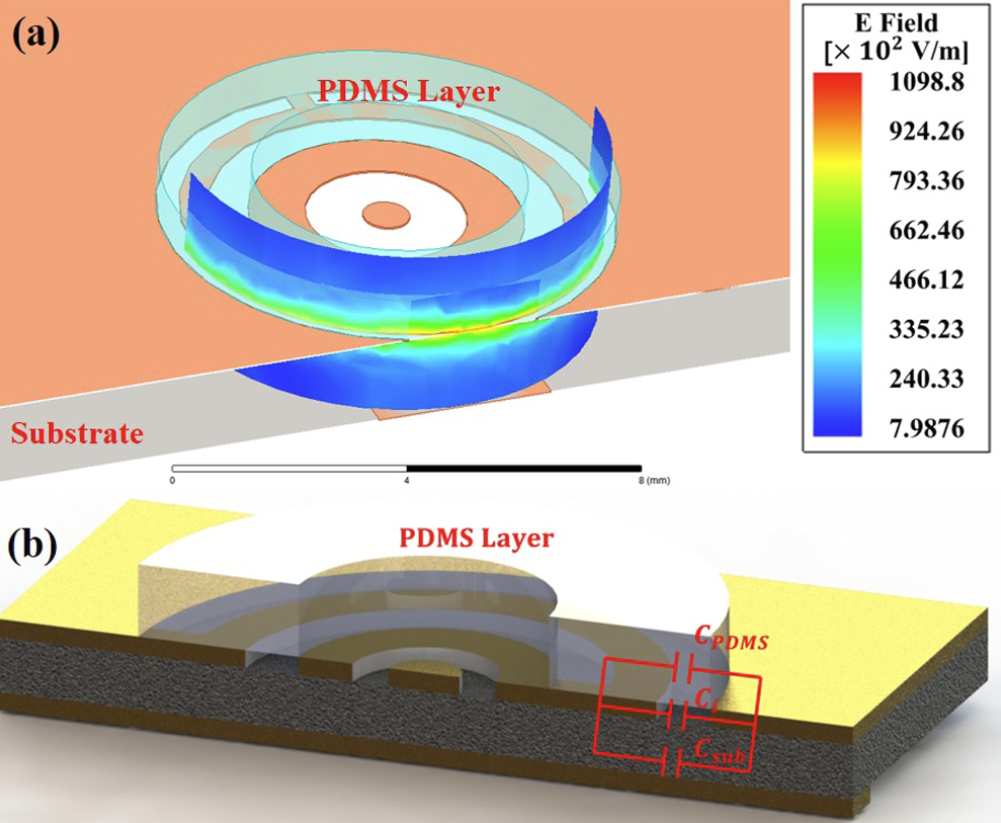
Photo by on Unsplash
Why is it important?
Structure — literally carving trenches — did what more material usually does: amplified signal without slowing recovery. For hazardous-gas monitoring, discrimination and speed are both non-negotiable.
Perspectives
Rapid and selective volatile organic compound (VOC) identification remains challenging for gas sensing platforms. Ma et al. develop a trenched microwave resonator integrated with porous PDMS to boost VOC detection and classification performance. The porous polymer layer adsorbs target gas molecules and alters microwave resonant characteristics, enabling reliable discrimination among different VOC analytes. This work offers a promising microwave sensing strategy, supporting high-sensitivity gas monitoring for environmental hazard assessment.
Professor Wei Li
Huazhong University of Science and Technology
Read the Original
This page is a summary of: Trenched microwave resonator integrated with porous PDMS for detection and classification of VOCs with enhanced performance, Journal of Hazardous Materials, July 2024, Elsevier,
DOI: 10.1016/j.jhazmat.2024.134553.
You can read the full text:
Contributors
The following have contributed to this page







