What is it about?
Over the past decade, ferroelectret nanogenerators evolved from flexible energy harvesters into versatile bioengineering building blocks. This invited review in Cell Reports Physical Science traces that evolution: from material physics and cellular polymer mechanisms to self-powered sensing, acoustic actuation, implantable interfaces, and system-level bioengineering designs. We chart the field's trajectory and define the materials, biocompatibility, and system-integration milestones that will carry FENGs into clinical and commercial use.
Featured Image
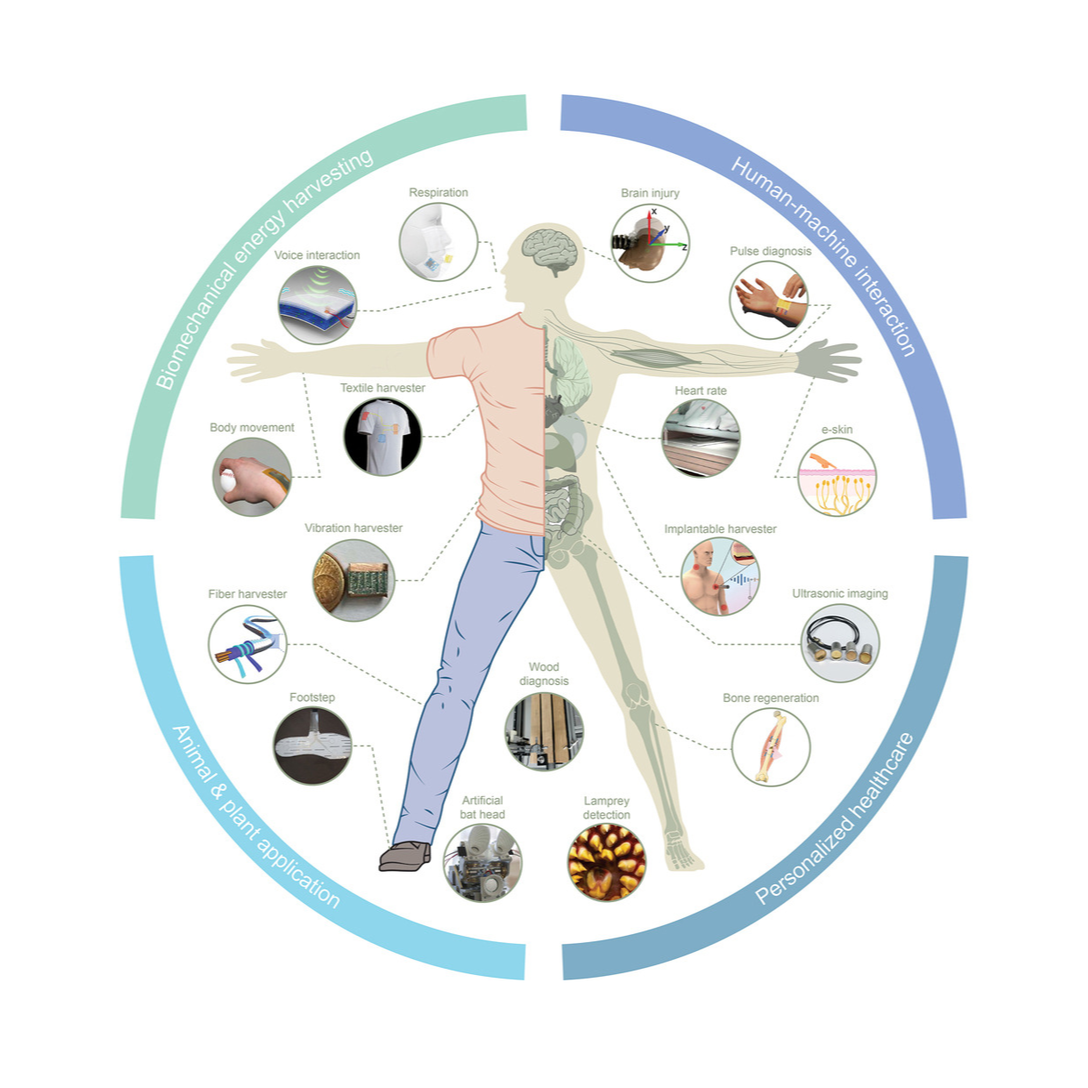
Photo by on Unsplash
Why is it important?
Being invited to write this for Cell Reports Physical Science was an opportunity to shape how the next phase of the field is framed — from device demos to engineered bio-systems.
Perspectives
Self-powered flexible biointerfaces are highly desirable for physiological monitoring and biomedical systems. Li et al. present a review covering ferroelectret nanogenerators and their bioengineering applications. These devices convert mechanical stimuli into electrical signals without external power, featuring good flexibility and biocompatibility. The authors analyze device design, working principles and representative biomedical use cases while discussing remaining challenges. This overview guides the development of self-powered wearable and implantable bioengineering systems.
Professor Wei Li
Huazhong University of Science and Technology
Read the Original
This page is a summary of: Ferroelectret nanogenerators for the development of bioengineering systems, Cell Reports Physical Science, May 2023, Elsevier,
DOI: 10.1016/j.xcrp.2023.101388.
You can read the full text:
Contributors
The following have contributed to this page







