What is it about?
Standard hysteresis compensation for piezoelectric actuators entangles rate-dependent hysteresis with mechanical dynamics, requiring laborious dynamic modeling. We present a compensation approach that corrects hysteresis without dynamics modeling — separating the two effects so that the inverse hysteresis compensator handles the memory nonlinearity while dynamics are treated separately (or left to feedback). The result is a simpler, more transferable controller structure with experimentally verified positioning improvement.
Featured Image
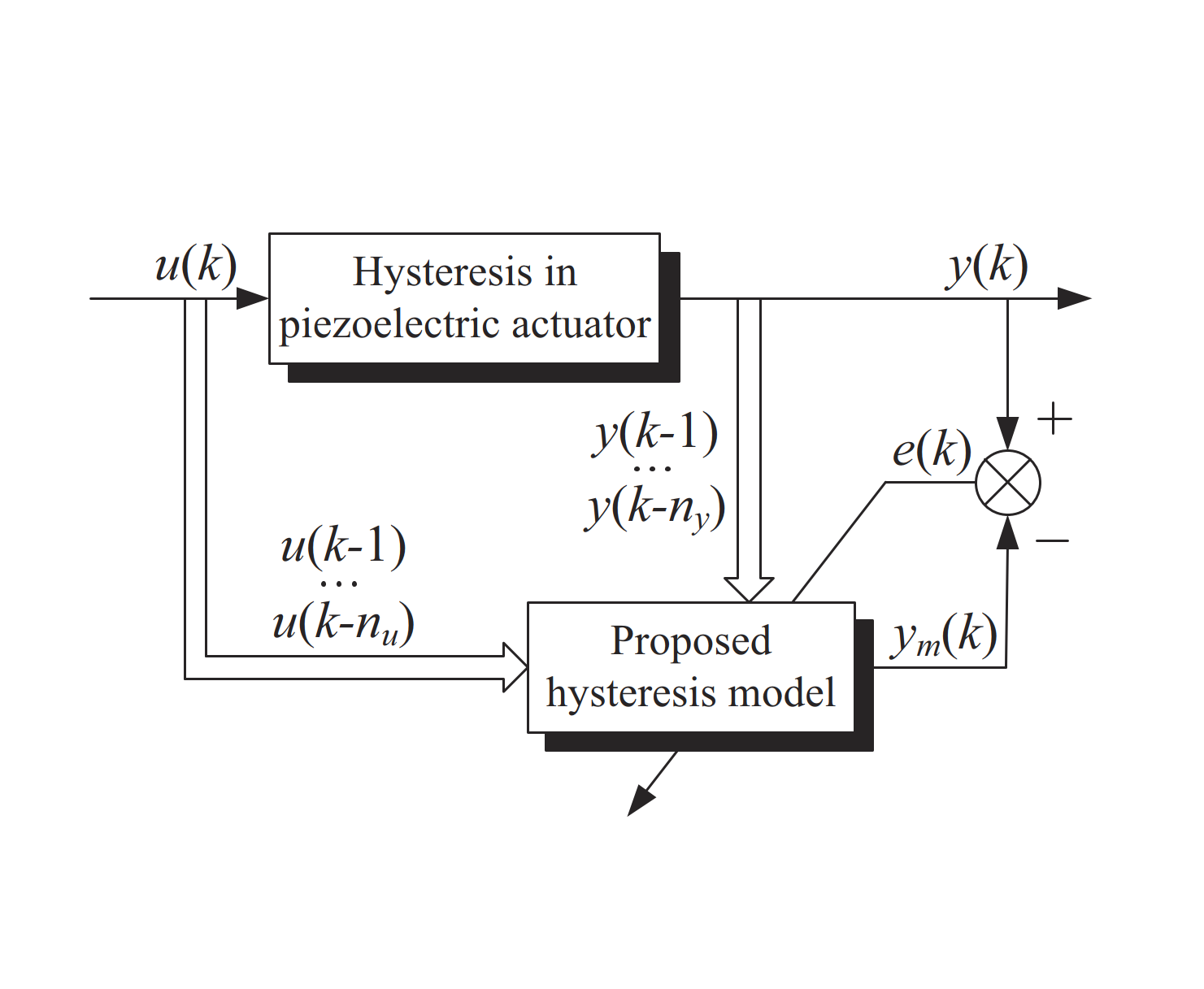
Photo by on Unsplash
Why is it important?
Skipping dynamics modeling shortens controller development from weeks to hours and makes compensation portable across similar actuators — attractive wherever many axes or frequent retuning are involved, from multiprobe nanopositioners to optical alignment rigs.
Perspectives
This model-free hysteresis compensation offers a practical alternative for piezoelectric actuator control. Future work may combine this method with real-time adaptive tuning to handle environmental disturbances and aging effects, further improving long-term positioning stability for micro-robotic and nanopositioning applications.
Professor Wei Li
Huazhong University of Science and Technology
Read the Original
This page is a summary of: Compensation of hysteresis in piezoelectric actuators without dynamics modeling, Sensors and Actuators A Physical, September 2013, Elsevier,
DOI: 10.1016/j.sna.2013.04.036.
You can read the full text:
Contributors
The following have contributed to this page







