What is it about?
Ferroelectret nanogenerators (FENGs) — flexible, cellular polymer films that generate electricity from mechanical deformation — have matured rapidly, and medicine is where they shine. This review maps their biomedical applications: self-powered wearable sensors, physiological signal monitoring, acoustic devices, energy harvesting from body motion, and integration with implantable and assistive systems. We organize the field by application scenario, compare device architectures and performance, and identify the materials and packaging challenges that stand between laboratory demonstrations and clinical products.
Featured Image
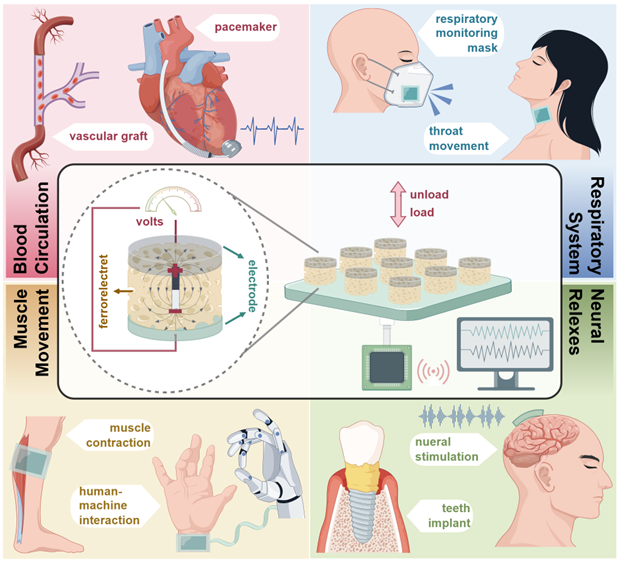
Photo by on Unsplash
Why is it important?
FENGs are among the few energy-harvesting technologies that are simultaneously soft, light, biocompatible, and cheap. As healthcare shifts toward continuous, wearable, self-powered monitoring, a clear application-oriented map of this technology is what engineers and clinicians both need right now.
Perspectives
Writing this review felt like introducing an old friend — the ferroelectret film I have studied for a decade — to its future colleagues in medicine.
Professor Wei Li
Huazhong University of Science and Technology
Read the Original
This page is a summary of: Exploring the application of ferroelectret nanogenerators in medical engineering, FlexMat, May 2025, Wiley,
DOI: 10.1002/flm2.44.
You can read the full text:
Contributors
The following have contributed to this page







