This study aims to investigate the efficacy of PEDF peptides as a medication for autism spectrum disorder and ADNP syndrome.
See the details in our lab website (https://toyooka-lab.owlstown.net/).
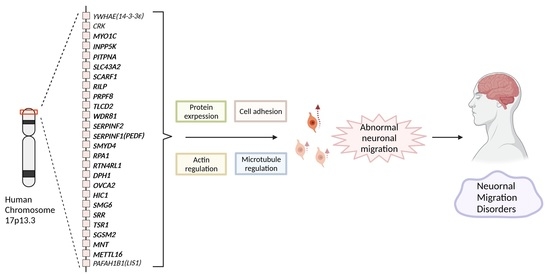
Pigment Epithelium-Derived Factor (PEDF) is localized at chromosome 17p13.3, and deletions or duplications of this chromosome region result in neurodevelopmental disorders, such as Miller-Dieker syndrome and 17p13.3 duplication syndrome, related to ASD. We recently have found that PEDF plays a critical role in neuronal morphogenesis and neural activity in vivo, including neurite formation, spine formation and calcium signaling. Studies have indicated the possibility of PEDF-derived peptide as a potential medication for tumors and retinopathy. However, little is known about PEDF functions in neurodevelopment in the cortex and the effects of the peptides in neurodevelopmental disorders, such as autism.
In addition, we are interested in testing the peptides in the ADNP syndrome, which is caused by a mutation in the ADNP (activity-dependent neuroprotective protein) gene and associated with a variety of symptoms, such as ASD, ADHD and intellectual disability.