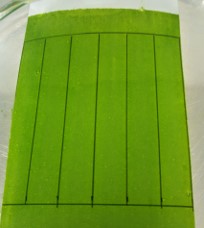
- Solid-state photosynthetic cell factories transform abundant natural resources into fuels and chemicals, reducing greenhouse gas emissions.
- They provide sustainable alternatives to conventional production pathways for energy and materials.
- Solid-state design makes the process more stable, efficient, and easier to scale compared to liquid cultures.
- Project unites biology and materials science to create living “green factories” that support the transition to a low-carbon economy.
This project relates to the following Sustainable Development Goals:
• SDG 7: Affordable and Clean Energy,
• SDG 9: Industry, Innovation and Infrastructure,
• SDG 12: Responsible Consumption and Production,
• SDG 13: Climate Action.
Keywords: Engineered living materials, Solar-to-chemical conversion, Biohybrid devices, Artificial leaf, Photocatalysis.