Other
KCMC Case Study
University of Liverpool staff have collaborated with NSG Pilkington in the search for new high performance transparent conducting materials.
University of Liverpool EPSRC Impact Acceleration Account
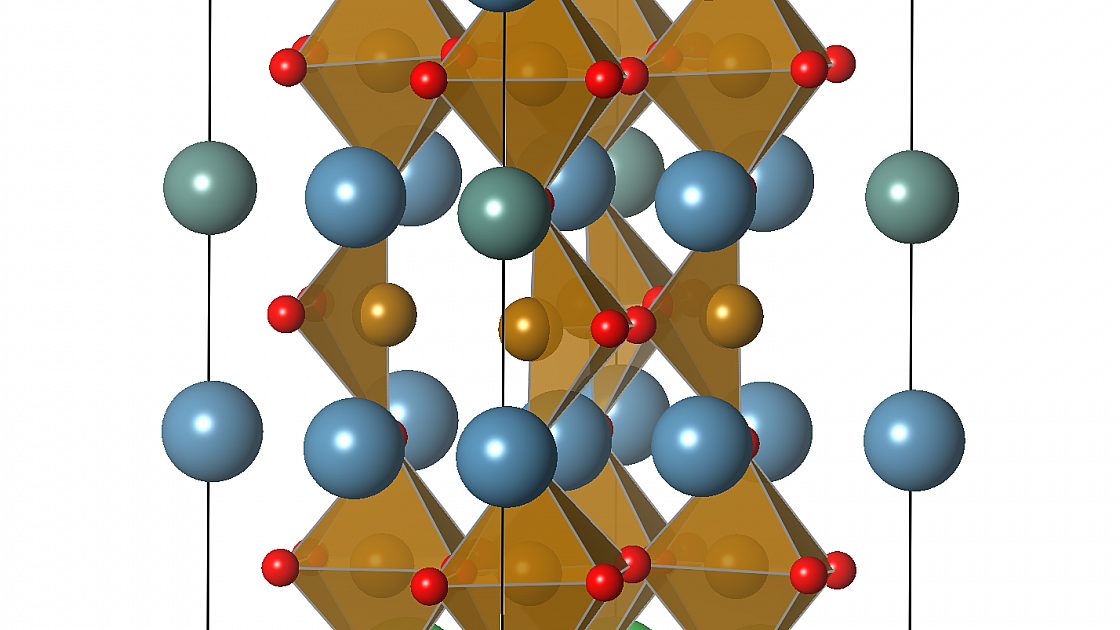
NSG Pilkington are world leaders in the manufacture of glass and glazing solutions. A critical component of their business is the development of functional glass coatings that serve high value applications in markets such as automotive, architectural glass and displays. Working with the Materials Innovation Factory (MIF) at the University of Liverpool, NSG aimed to discover new high-performance, transparent conducting materials, to underpin the development of the next generation of their market-leading products.
Through a research project supported by the Knowledge Centre for Materials Chemistry (KCMC) partnership and EPSRC Impact Acceleration Account funding, NSG worked with MIF academics Professor Matt Rosseinsky, Dr Matthew Dyer and Dr Chris Collins from the University of Liverpool, and STFC’s Hartree Centre to discover new high performance transparent conducting materials.
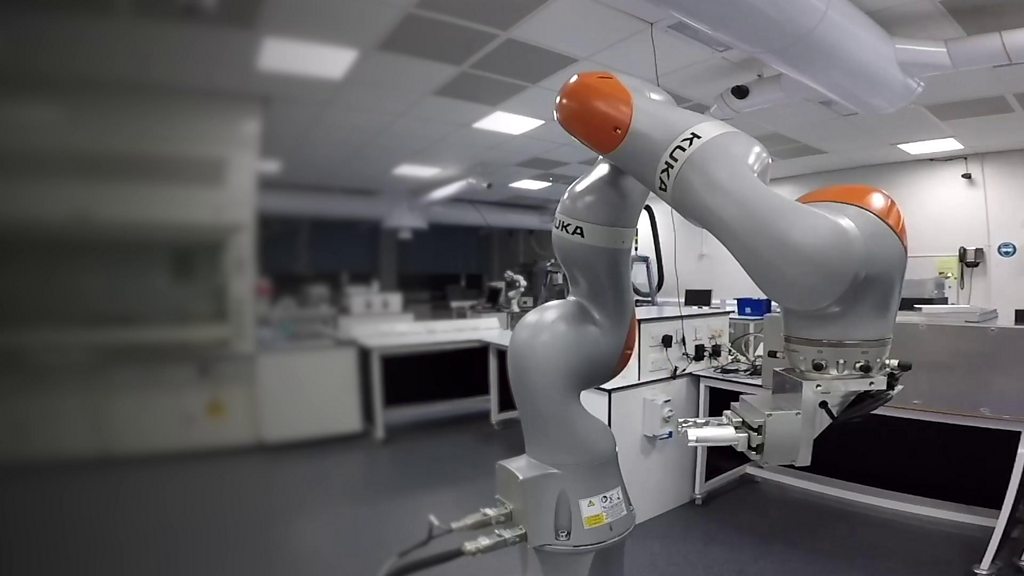
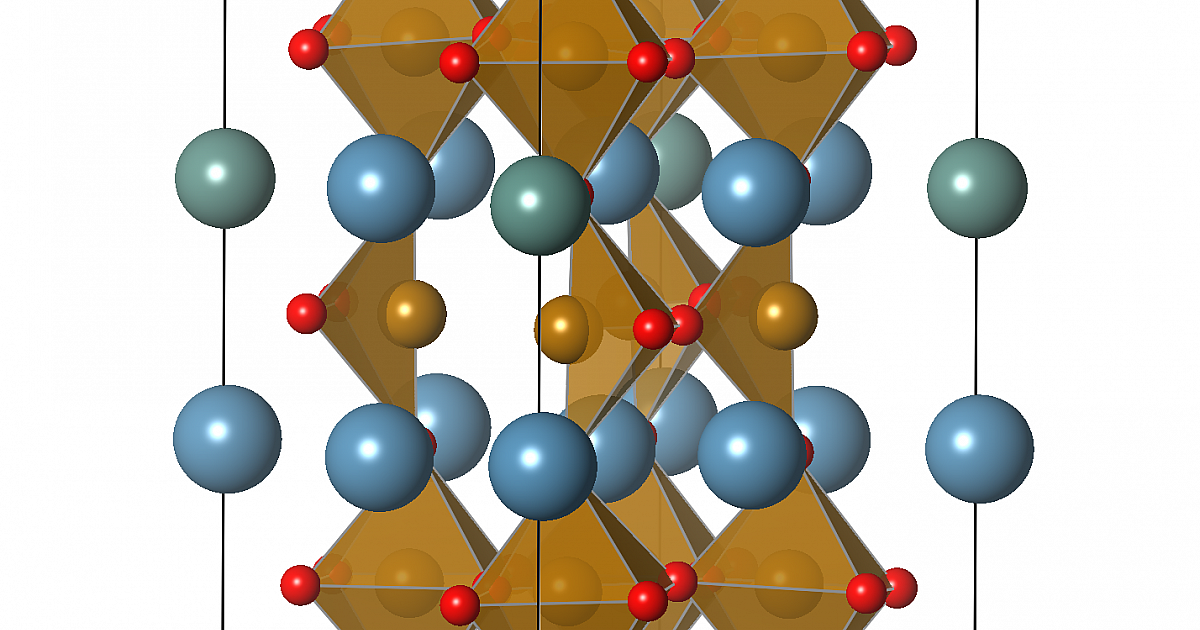
The project combined computational methods to explore structural and compositional space using MC-EMMA computational code developed by the University of Liverpool team with high power supercomputing capabilities and expertise from the Hartree Centre to increase the scale of the search for transparent conducting materials.
The research team successfully used this approach to discover new materials for NSG which had properties relevant to LED lighting, and energy generation and storage, and they are now developing a suite of codes integrated with experimental approaches for functional materials discovery. The exploitation of key discovery tools which had been developed at the University of Liverpool on Hartree Centre high performance computing platforms was enabled through the KCMC’s Materials Innovation Translator funding programme, which provided computational scientists to optimise and port the materials discovery code.
Building upon this success, EPSRC Impact Accelerator Account funding provided an opportunity for a two-year secondment for Dr Andy Zeng from the University of Liverpool to work across the three project partners, and access to STFC facilities was provided via their Bridging for Innovators (B4I) scheme.
Dr Zeng’s secondment has allowed the computational and digital methods to be successfully embedded into NSG Pilkington’s R&D culture and highlighted the opportunity for digital approaches to tackle problems across NSG’s global operations.
The interaction within the project team has highlighted further opportunities for improvement of the codes used. One PhD studentship addressing thin film deposition of the materials classes studied in the project has been subsequently funded, with funding for a second to isolate the predicted new materials in bulk form currently under consideration.
University of Liverpool staff have collaborated with NSG Pilkington in the search for new high performance transparent conducting materials.
Through the application of Innovation 4.0 approaches, NSG have begun to embed computational and digital methods into the organisational culture of their R&D.