
Press briefing
MOTION: ett samarbetsprojekt i Östersjöregionen med stöd från Svenska institutet
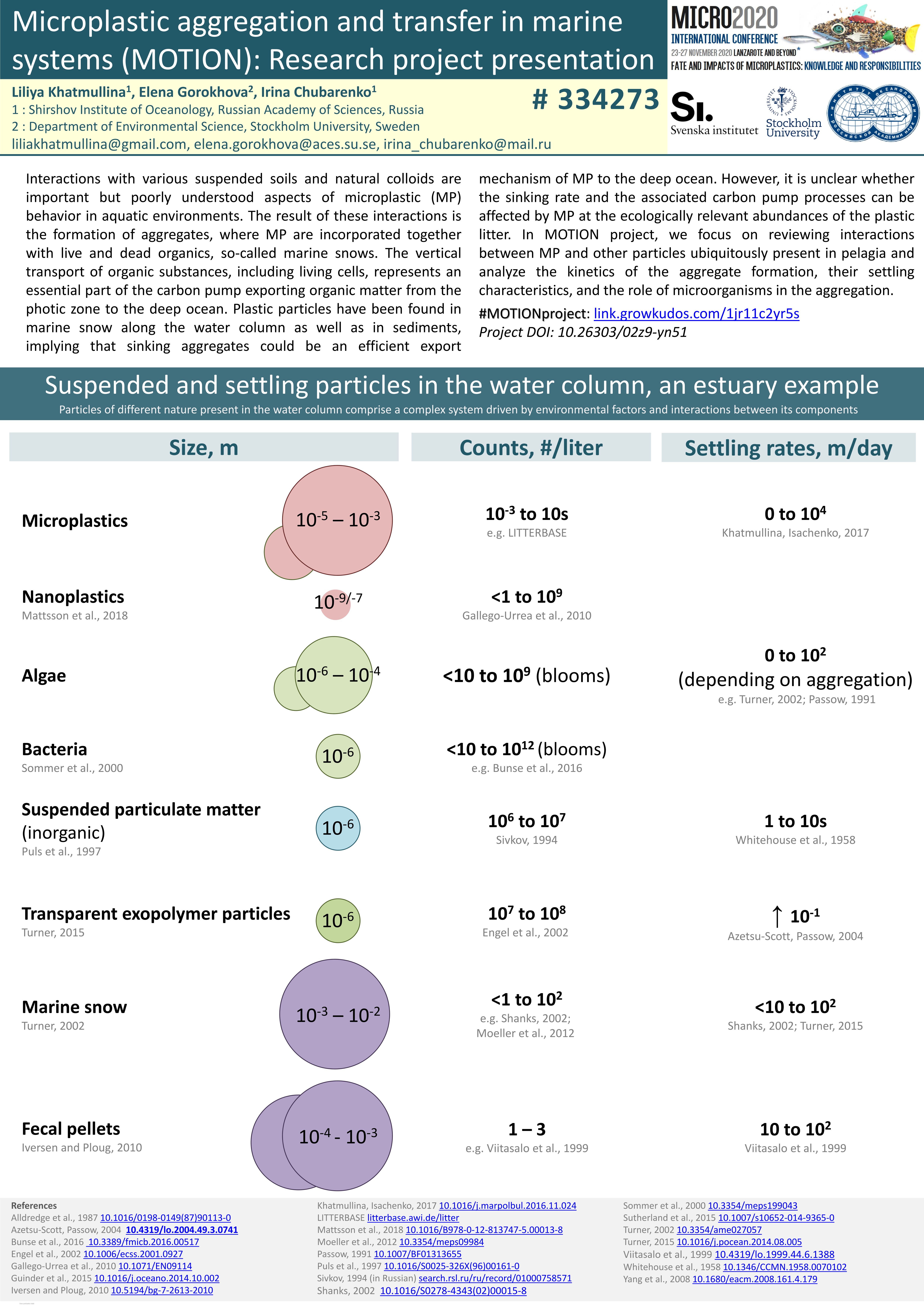
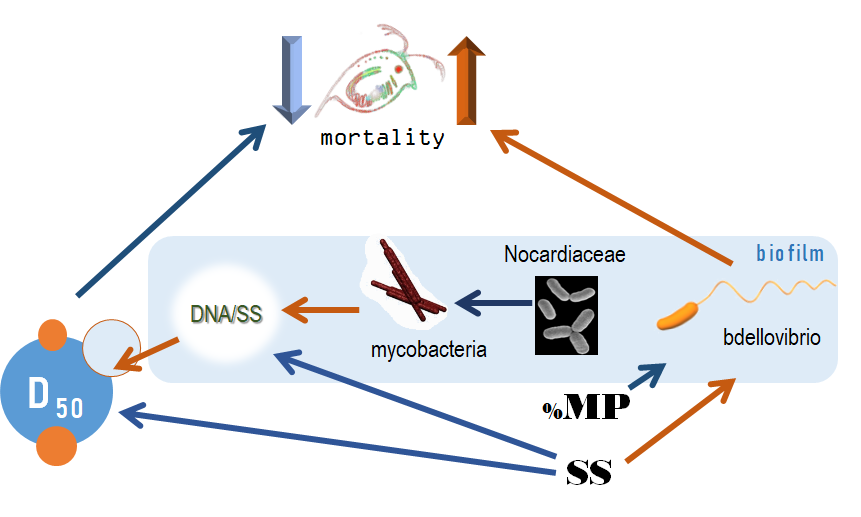
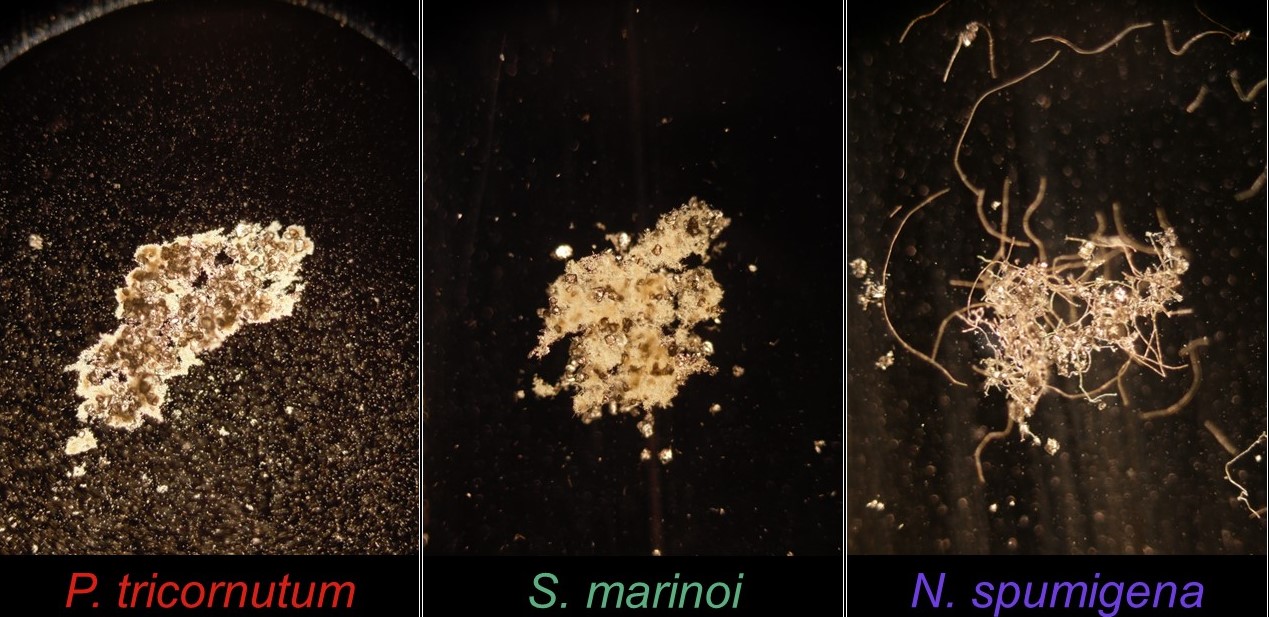
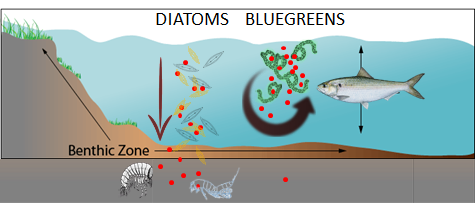
MOTION är ett samarbete mellan projektet BONUS MICROPOLL och avdelningen för fysisk oceanografi vid det ryska Shirshovinstitutet för oceanologi. MICROPOLL fokuserar på inverkan av mikroplaster, samt associerade föroreningar, på näringsvävar i Östersjön. Vid utvärdering av detta fann man en central roll för aggregation av mikroplaster apropå transport och ackumulation i ekosystem. Inom MOTION ska det etableras ett långsiktigt och synergistiskt samarbete med experter inom modellering av partiklars beteende för att identifiera kunskapsluckor inom dynamiken kring partikelaggregation som påverkar distribution och exponeringsnivåer, samt därmed den ekologiska inverkan av plast. Arbetsgruppen vid Shirshovinstitutet är kända för att producera de mest inflytelserika vetenskapliga publikationerna inom fältet mikroplastmodellering i marina system, inklusive Östersjön, och MOTION kommer att bidra till att tolka resultat från MICROPOLL.