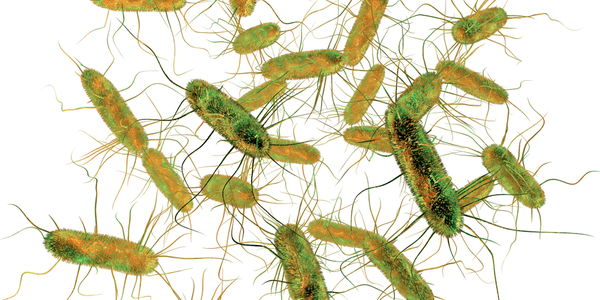
Microbial communities associated with multicellular animals and their collective genetic capacity (microbiome) perform key metabolic functions, support essential physiological processes, and metabolize toxic substances. Therefore, animal tolerance to xenobiotics and environmental stressors is a function of the animal and its microbiome tolerances. In (eco)toxicological context, it is becoming increasingly evident that variations in the microbiota can have significant effects on animal models and their expressed phenotypes, adding a complex and important variable into the assessment.