Project

Microbial Response to Sonic Stimulation

Vijay Kothari

What is it about?

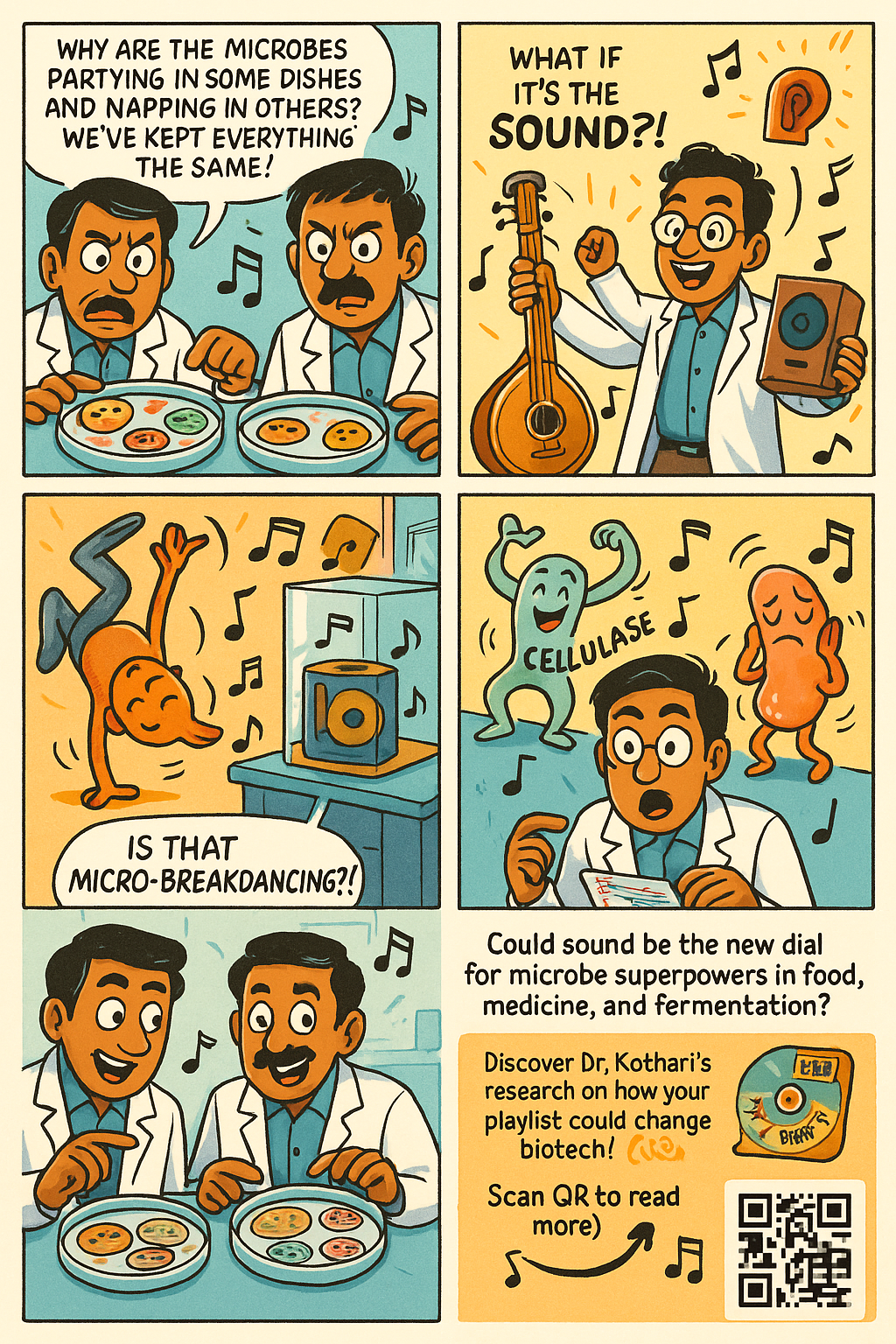
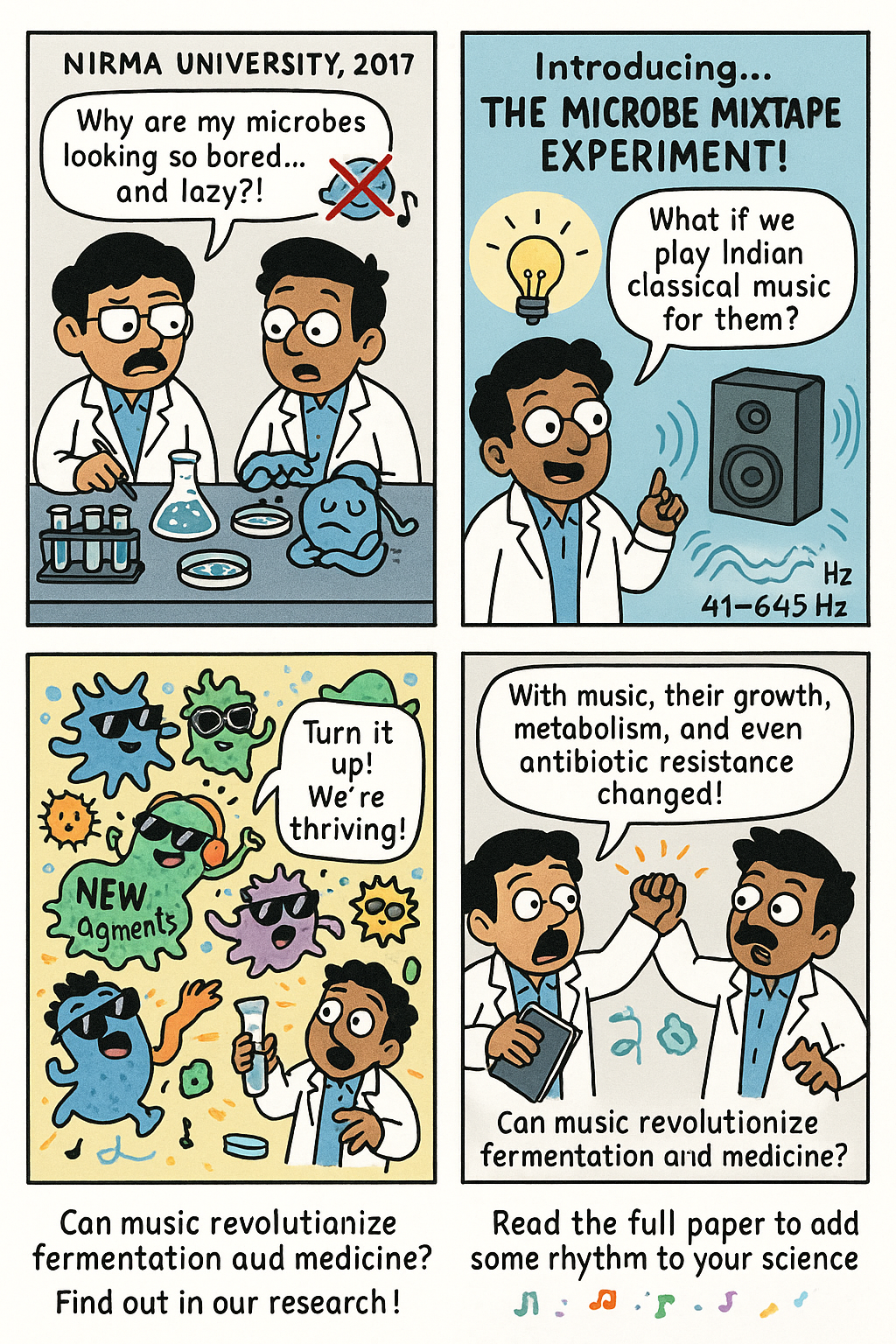
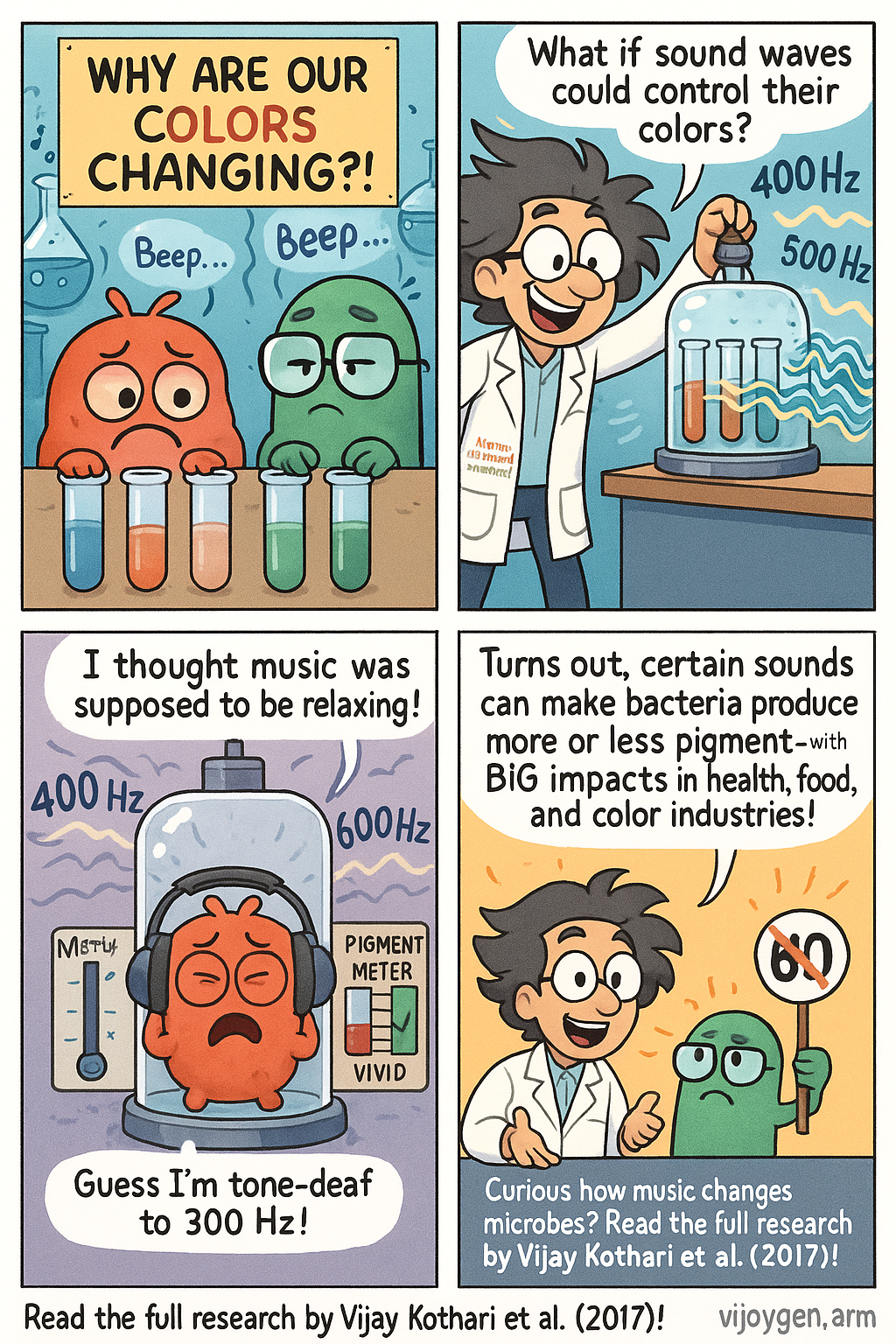
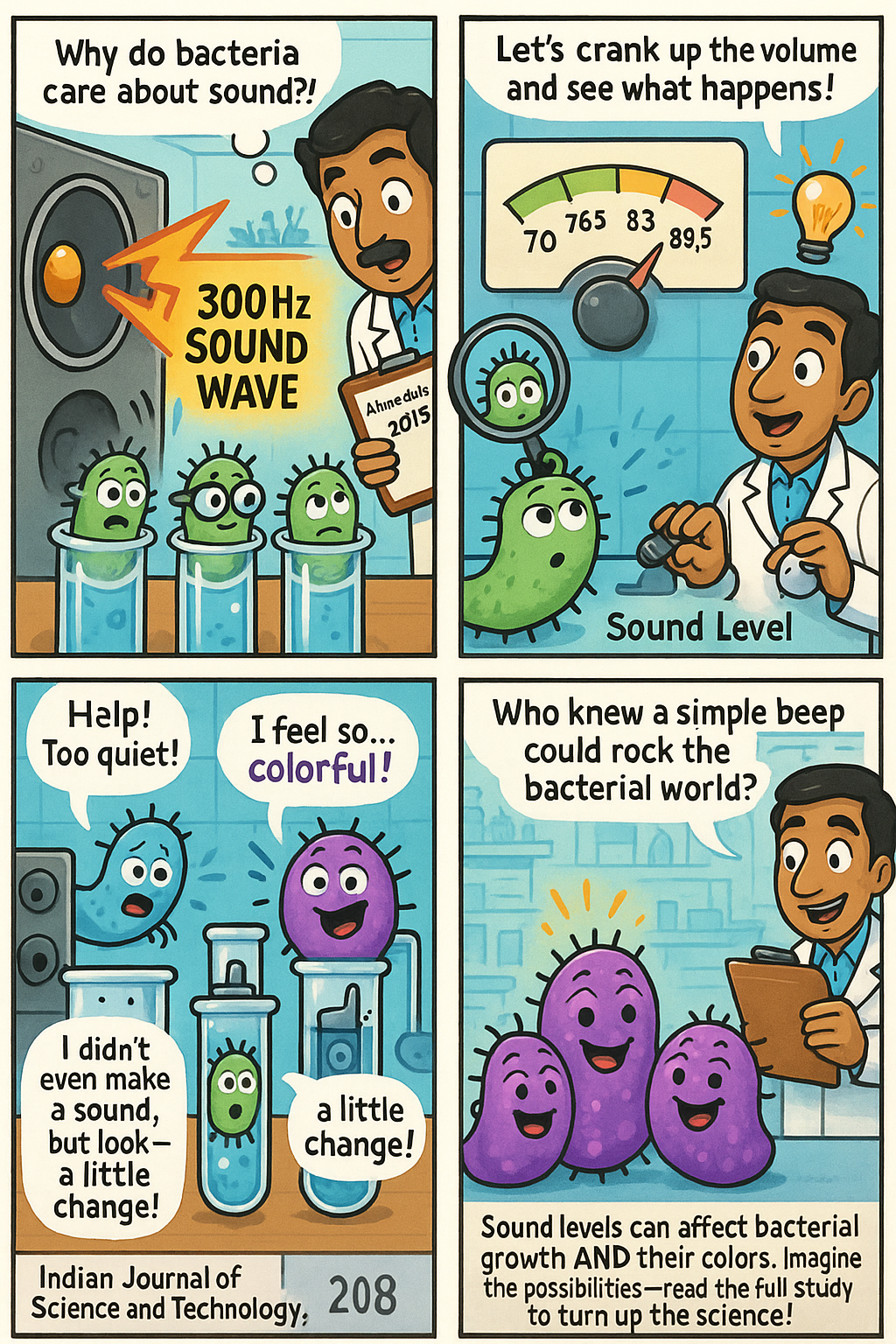
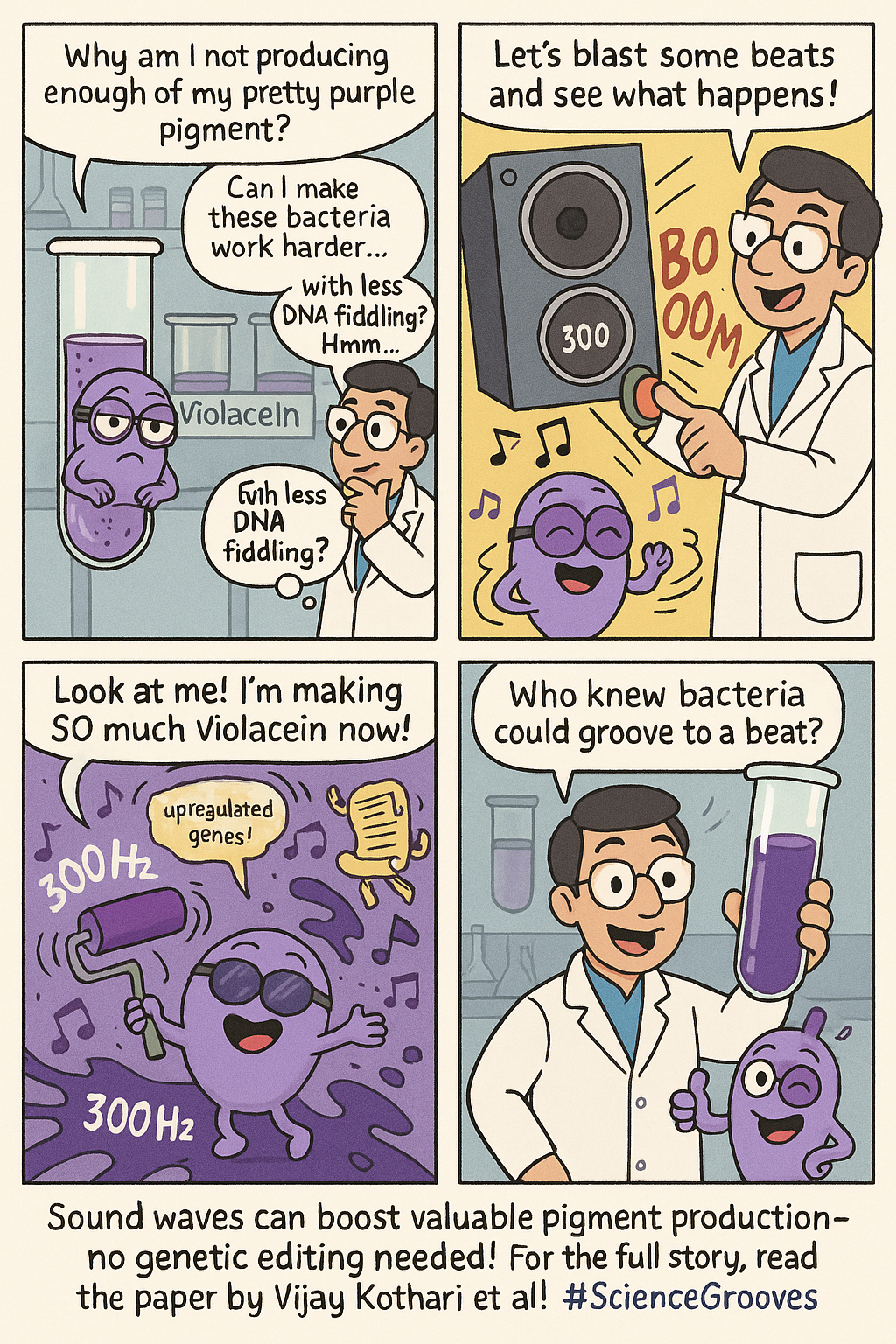
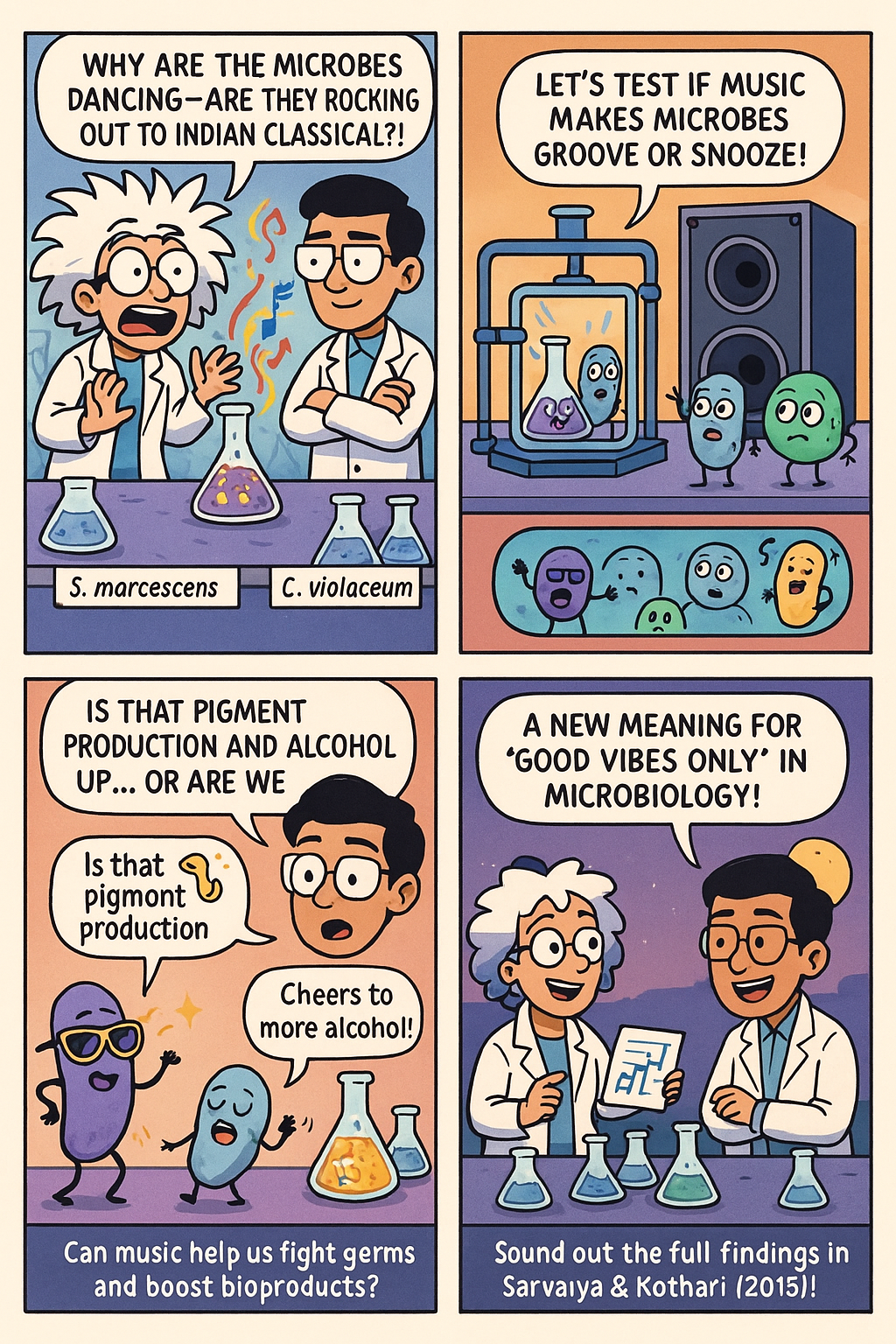
This Project Page showcases our investigations over last few years on how microorganisms respond to the (audible) sound stimuli.

Why is it important?

While destructive effect of ultrasound on microbial cells has been known since long, effect of the sonic range (20-20,000 Hz) on microorganisms remains under-investigated, and warrants more research. This can also lead to development of potentially novel applications.

Perspectives

It is always challenging to delve into 'unconventional' areas of scientific research. When you embark onto something which does not fit into the 'currently fashionable' category, everything becomes difficult e.g., getting funds, getting such unusual results published in mainstream journals etc. all becomes much more challenging; and of course, you need to be ready to face much undue criticism. However, the joy of pursuing such purely 'curiosity-driven' research supersedes everything else (i.e. sarcastic comments from peers, illogical grant rejections from funding agencies, etc.). We asked simple questions: 1. Whether bacteria and yeast can sense and respond to sonic stimulation? 2. Whether their response to mono-frequency and poly-frequency (music) sound differs? 3. Whether same frequency of sound at different intensities can produce different effects on microbial population? 4. Whether any therapeutic effect of sound (sonotherapy) against pathogenic bacteria be demonstrated in simple nematode model of infection?

Resources7 total

Who is involved?