
Publication
Journal of Clinical Hepatology, Volume 42, Issue 2, 2026, pp. 345–355
Effect of Huatan Qushi Huoxue prescription on macrophage efferocytosis mediated by a disintegrin and metalloproteinase 17 and triggering receptor expressed on..
Journal of Clinical Hepatology
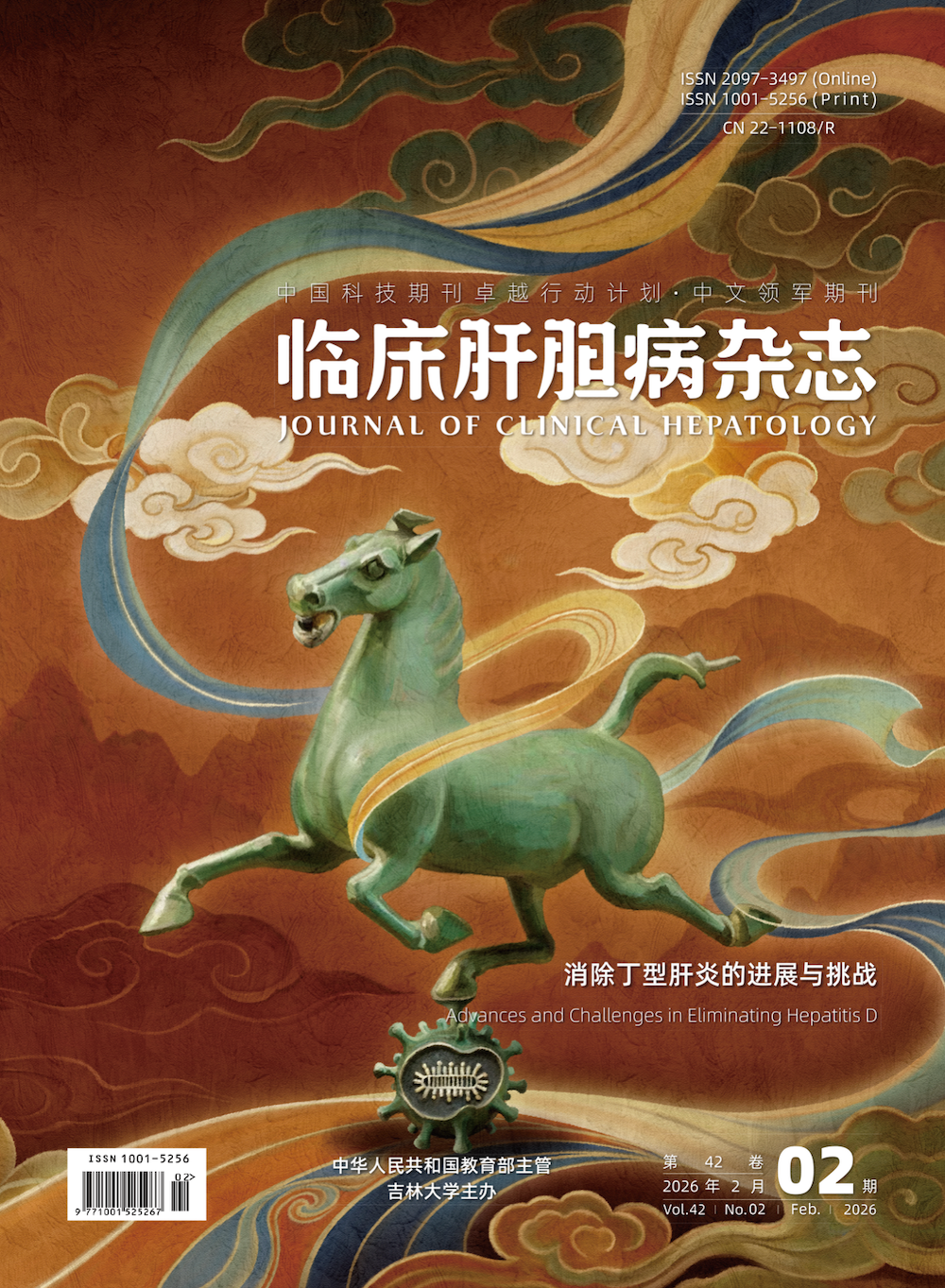
Metabolic dysfunction-associated steatohepatitis, or MASH, is a progressive form of fatty liver disease involving fat accumulation, inflammation and liver-cell injury. Macrophages normally help limit inflammation by engulfing and removing dying cells through a process called efferocytosis. When this clean-up system fails, inflammation can persist.
This study examined whether Huatan Qushi Huoxue Formula, a traditional Chinese herbal formulation, could improve macrophage efferocytosis in a rat model of MASH. Researchers divided 60 rats into six groups, including healthy controls, fatty liver and MASH models, a conventional medication group and two herbal-formula dosage groups.
Compared with untreated MASH rats, animals receiving the herbal formula showed lower body and liver weights, reduced liver fat accumulation and inflammation, and improved blood markers of liver injury and lipid metabolism. Their macrophages also demonstrated greater efferocytosis.
The mechanistic analysis focused on ADAM17 and TREM2, two proteins involved in macrophage function. MASH was associated with increased ADAM17, reduced TREM2 protein and impaired removal of dying cells. The herbal formula reduced ADAM17 expression, while the higher dose also increased TREM2 expression. These findings suggest that regulating the ADAM17–TREM2 pathway may help restore macrophage efferocytosis and reduce liver inflammation in this animal model.
MASH can progress to liver fibrosis, cirrhosis and liver cancer, but the cellular processes that allow inflammation to become persistent are not fully understood. This study highlights impaired efferocytosis as one possible link between excess nutrition and chronic liver inflammation.
The results suggest that the herbal formula may act partly by helping macrophages remove dying cells more effectively, providing a specific biological explanation for its observed effects on liver fat and inflammation. The ADAM17–TREM2 pathway may also represent a useful target for future MASH research.
These findings come from rats and do not establish that the formula is effective or safe for people with MASH. More specific markers of efferocytosis, identification of the active ingredients, and well-designed human studies will be required before any clinical conclusions can be drawn.
Effect of Huatan Qushi Huoxue prescription on macrophage efferocytosis mediated by a disintegrin and metalloproteinase 17 and triggering receptor expressed on..
