Project

HatemediaReligion

Elias Said-Hung

What is it about?

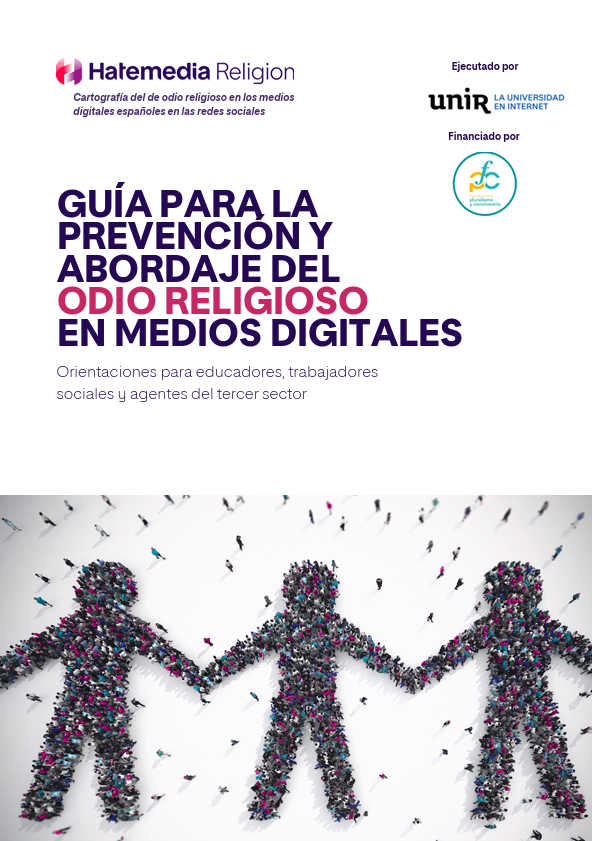
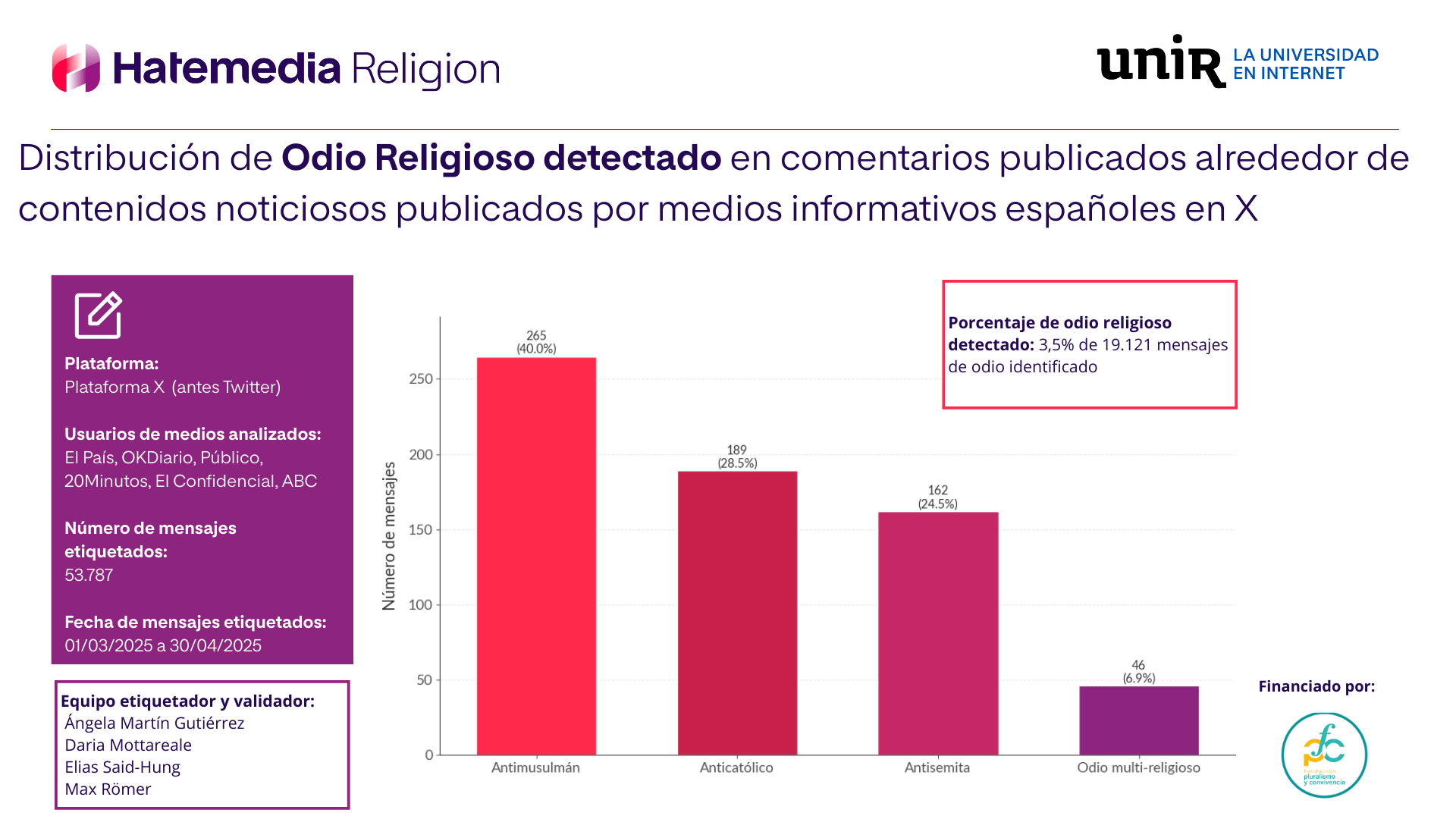
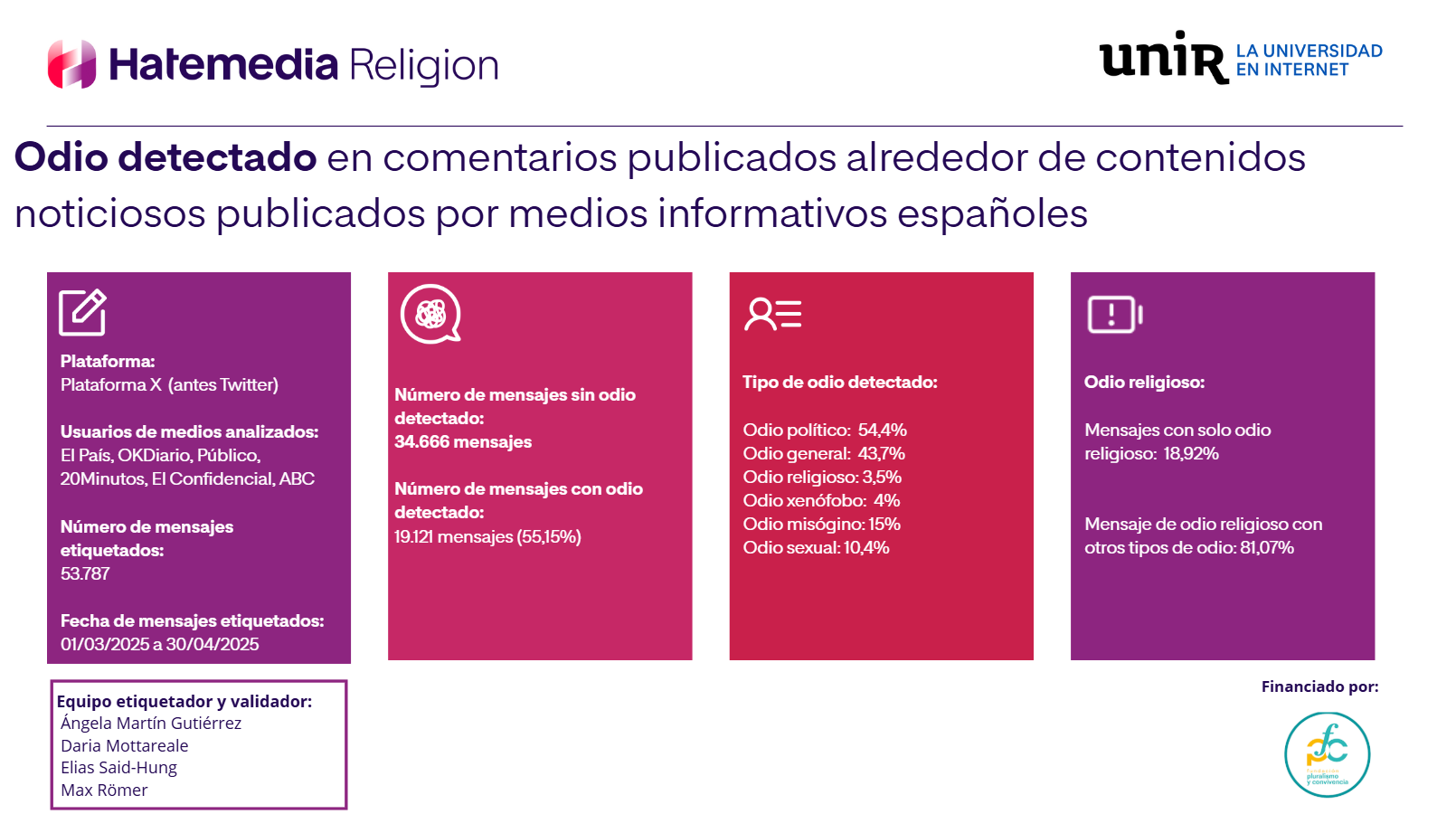
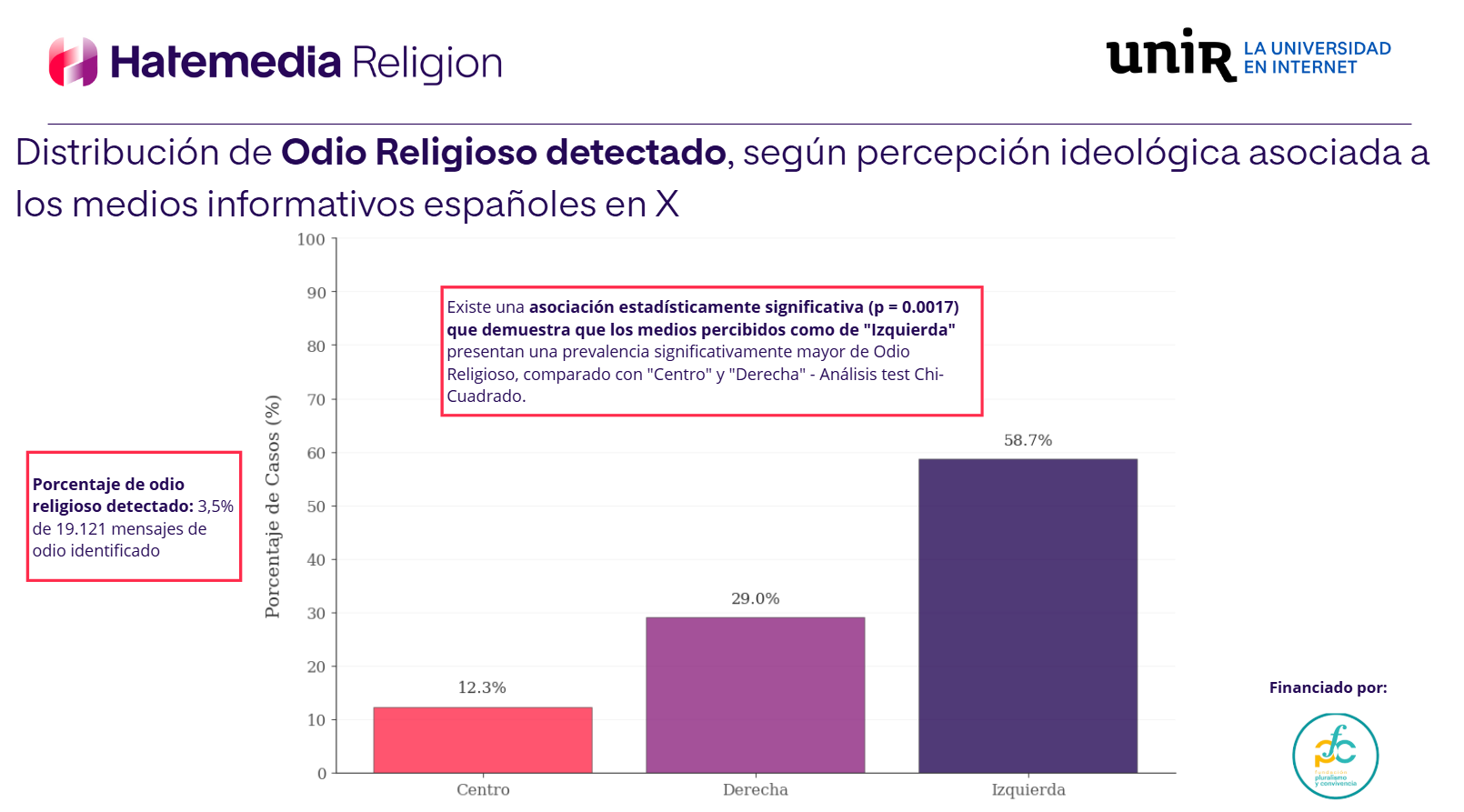
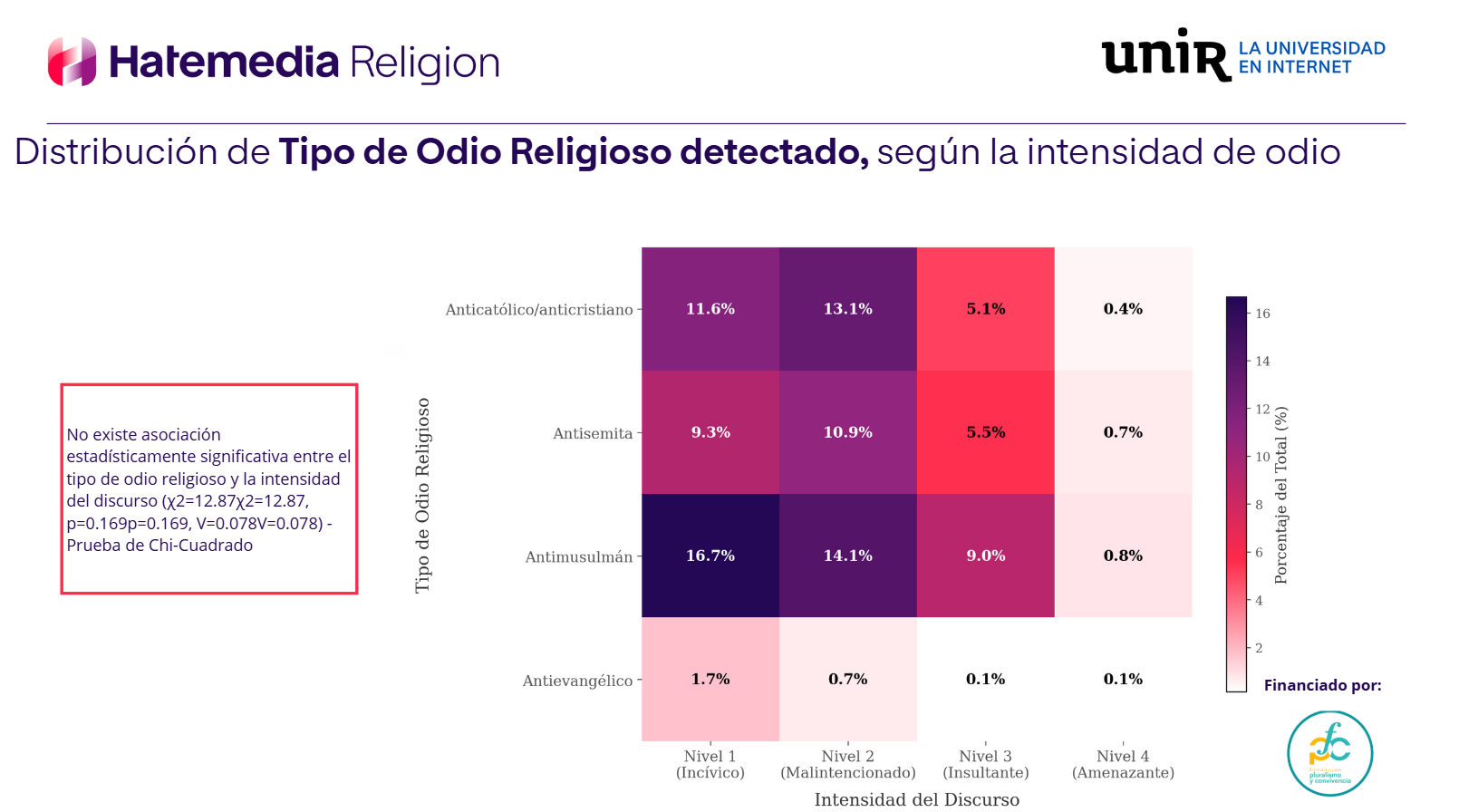
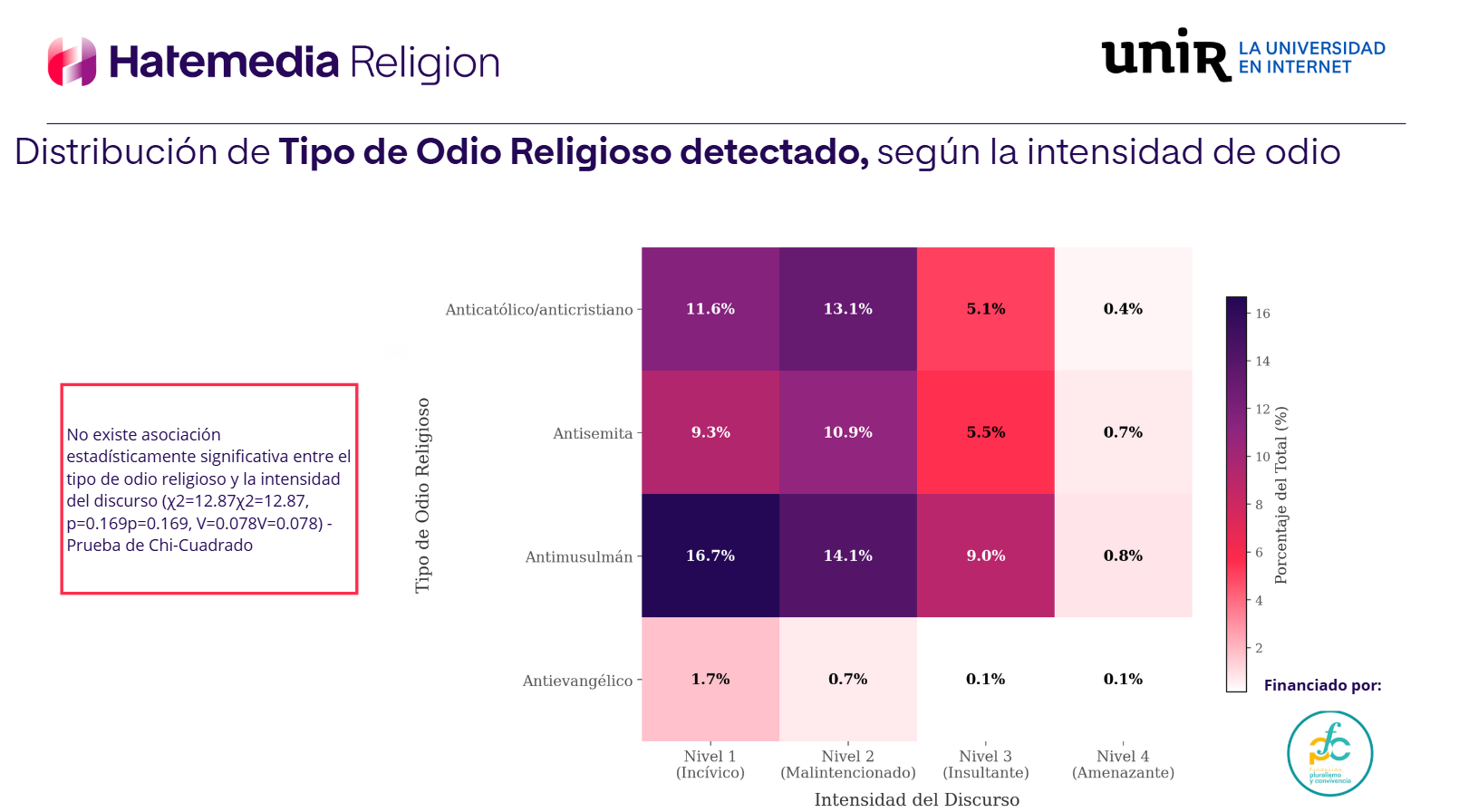
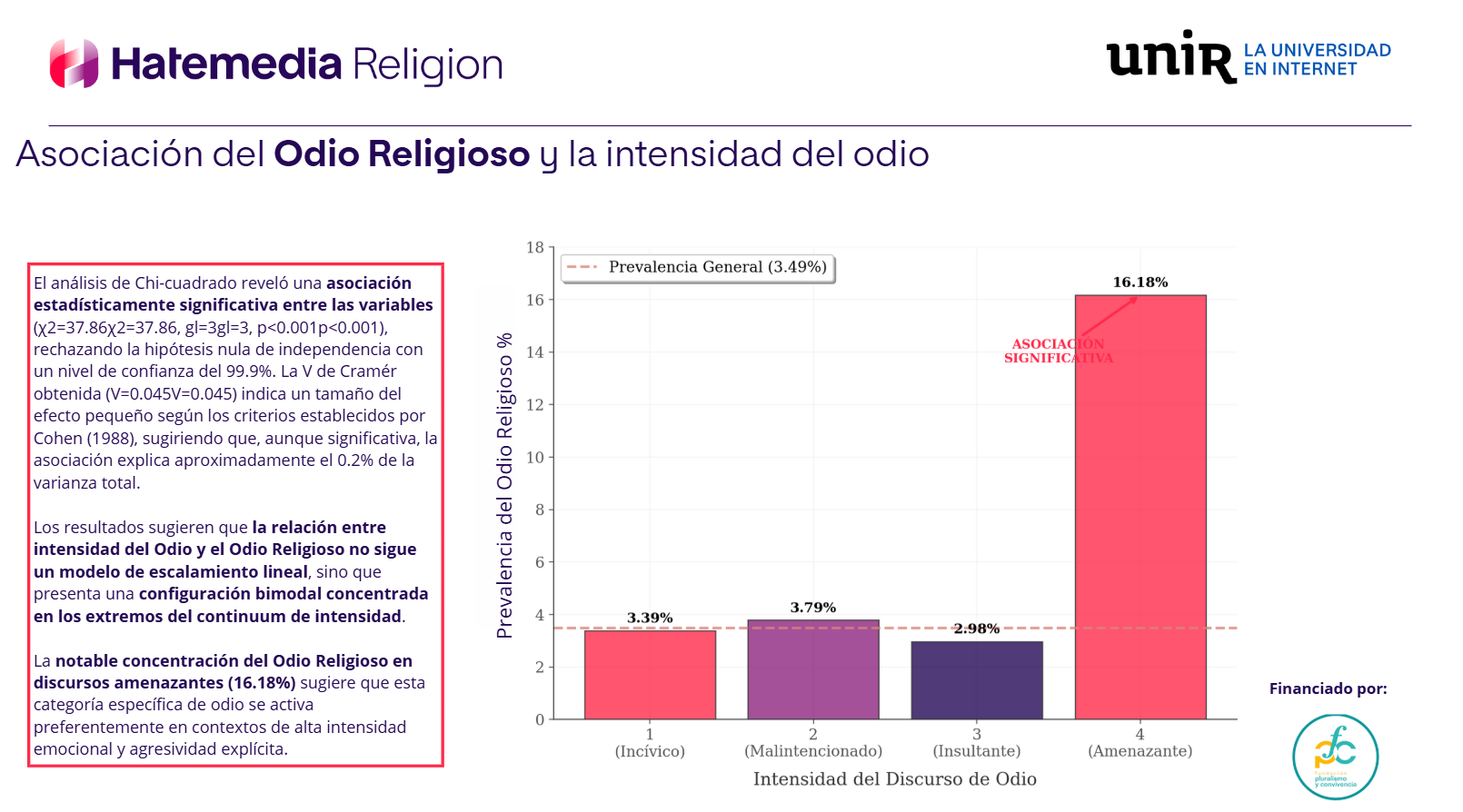
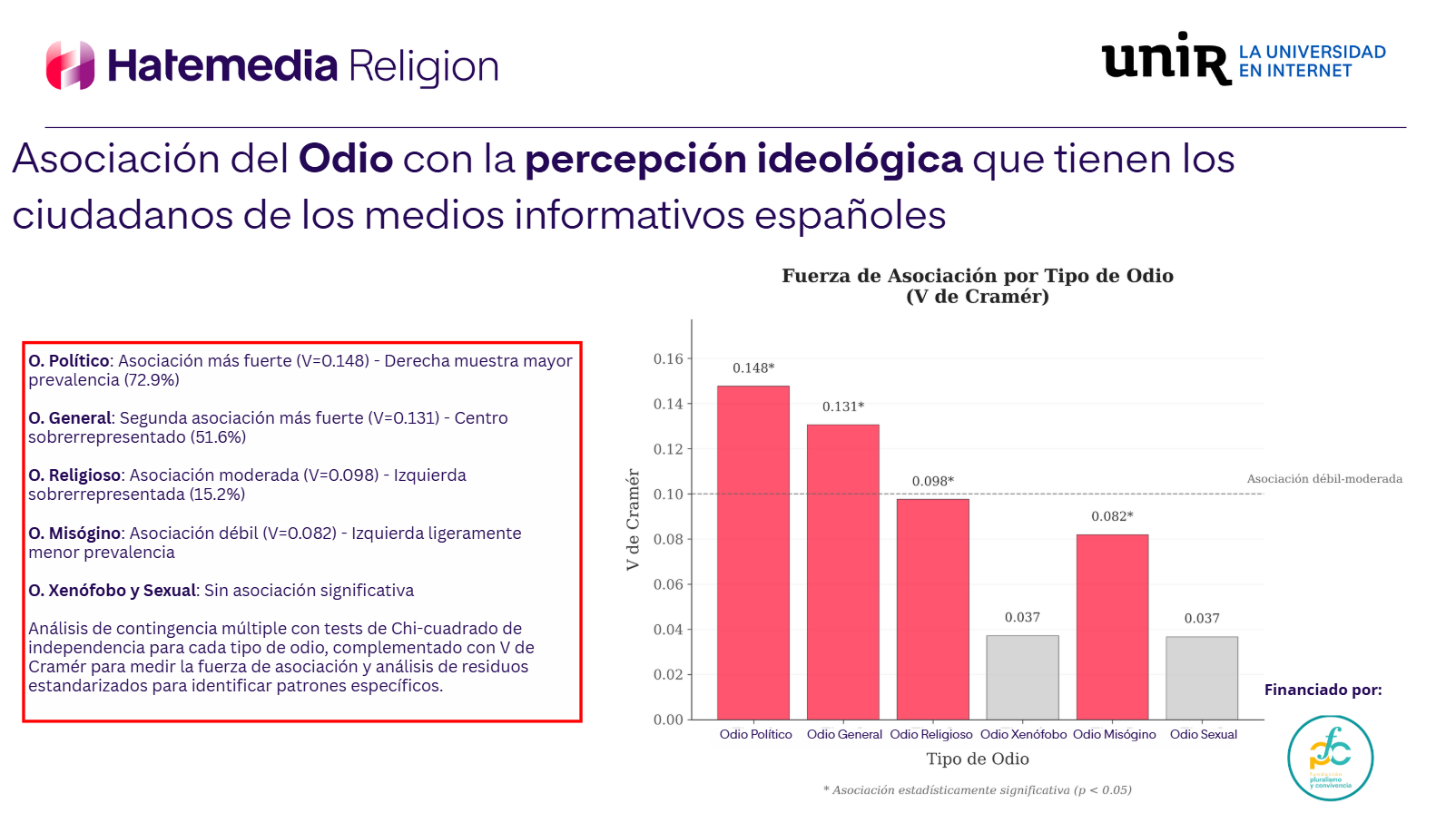
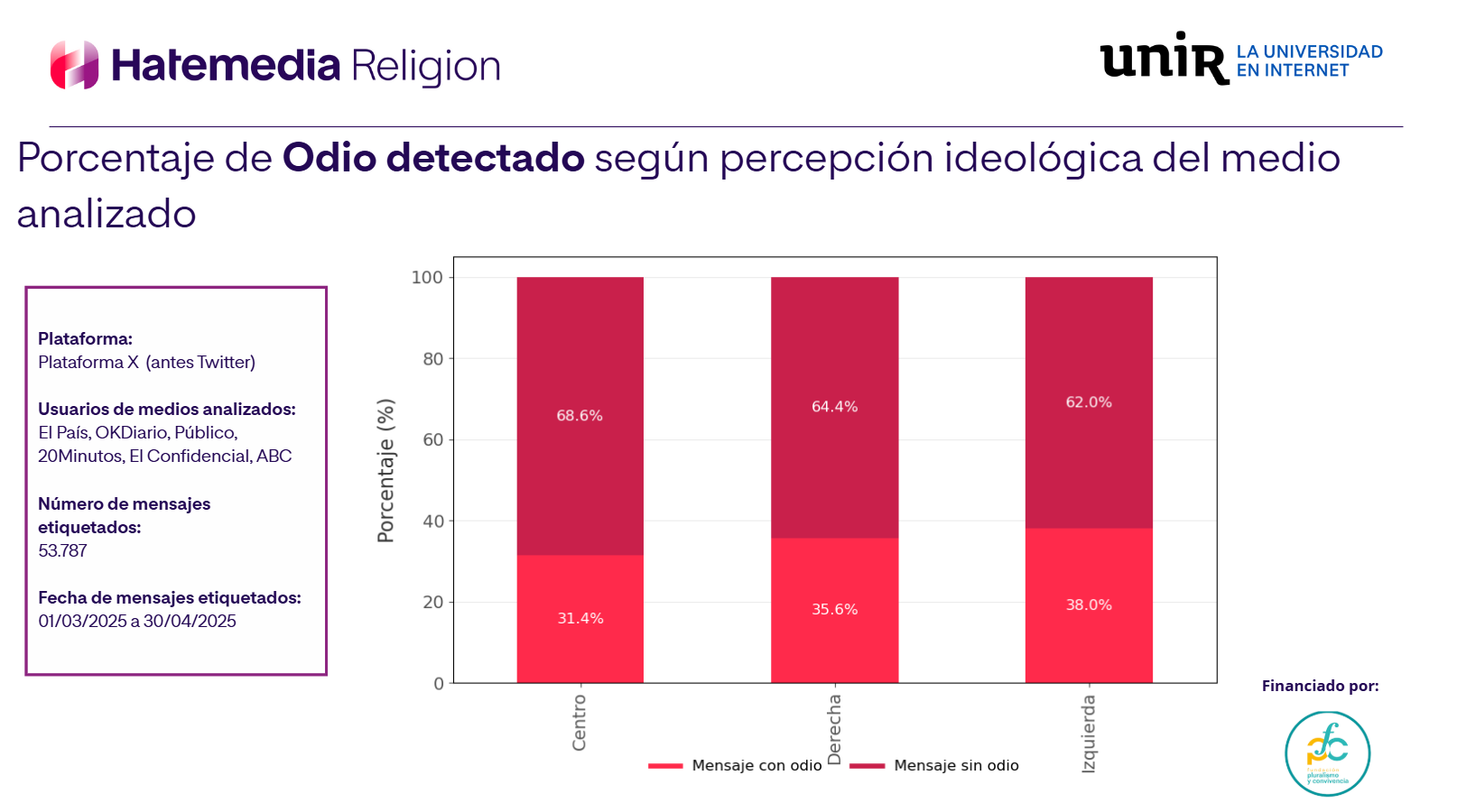
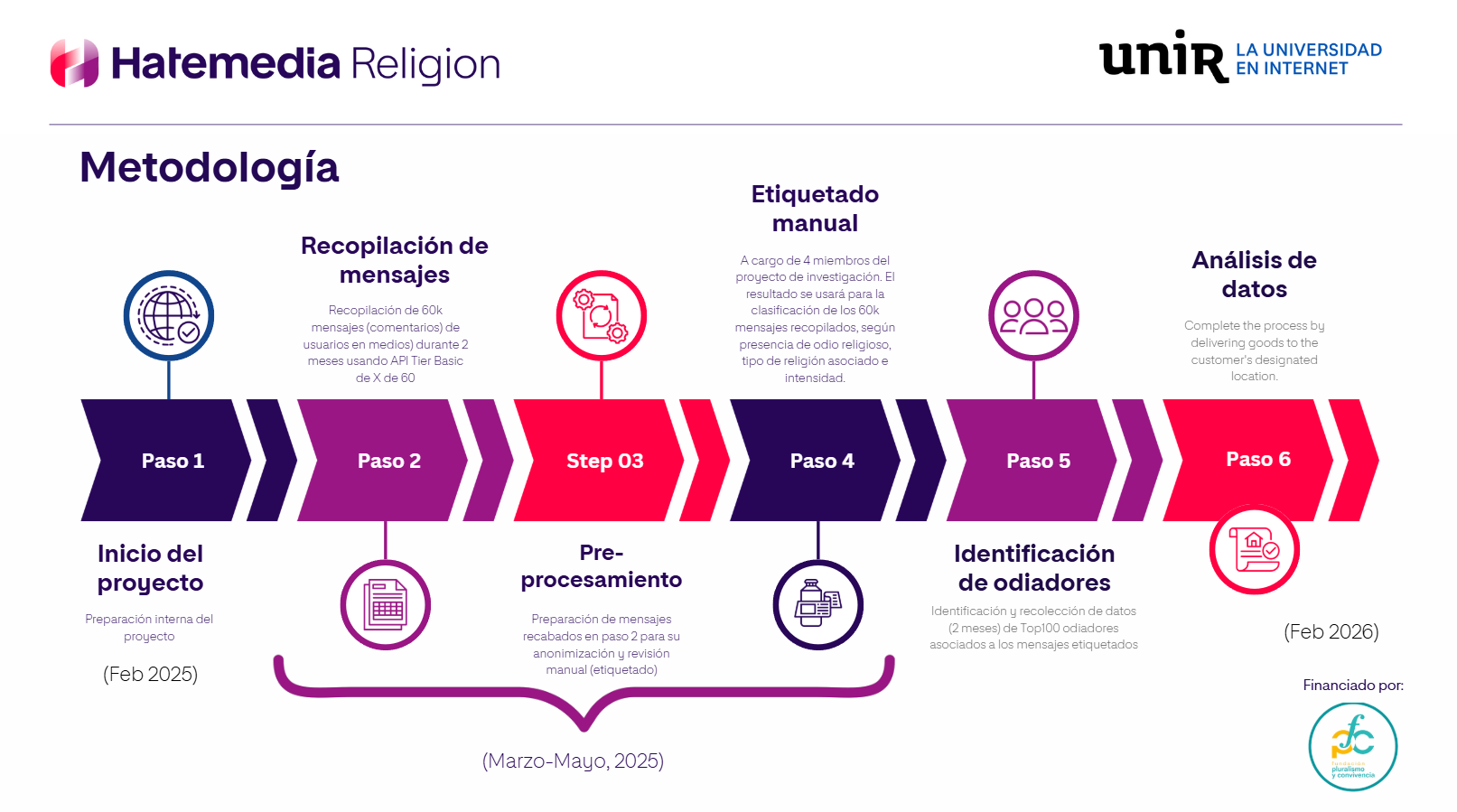
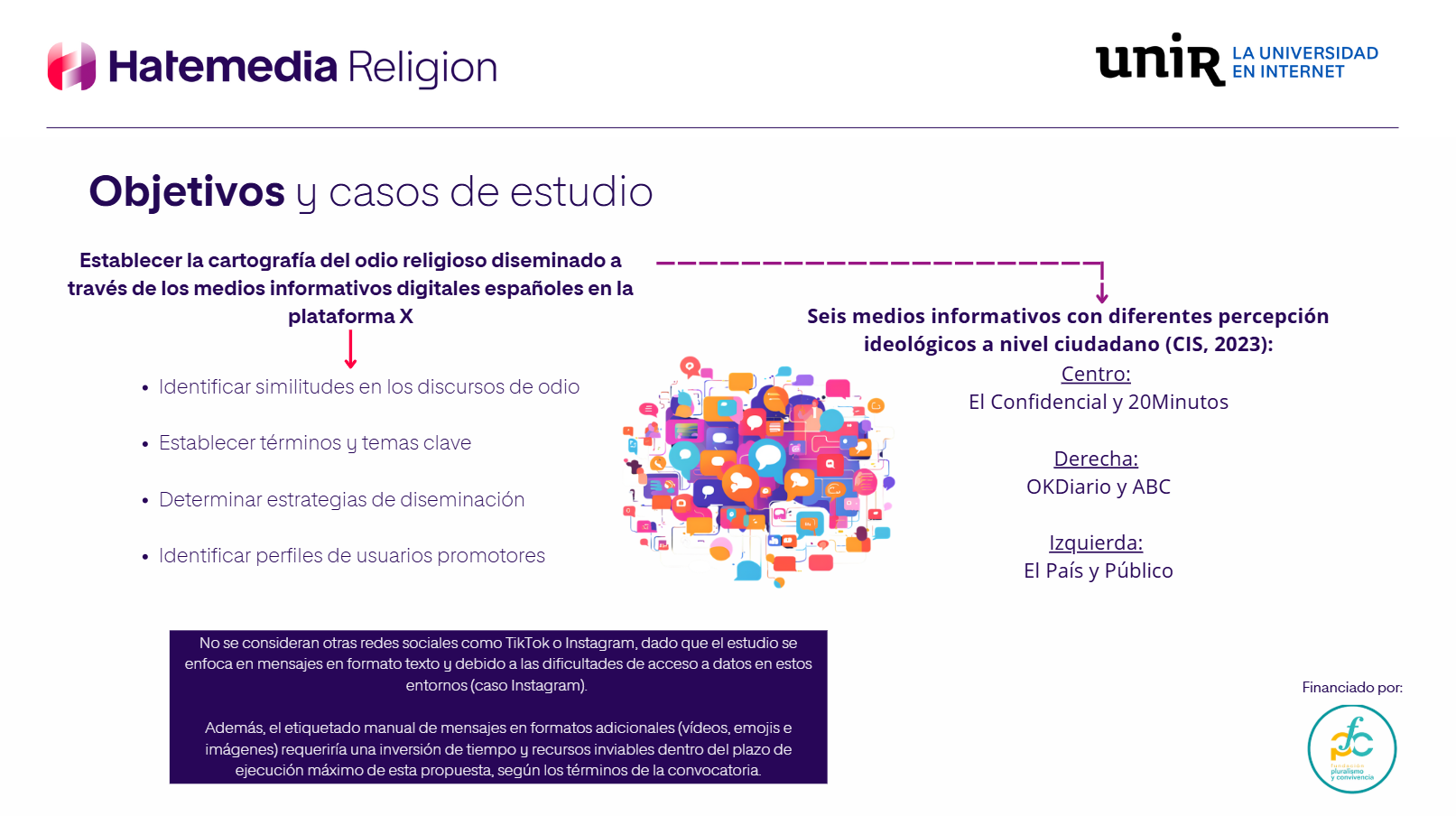
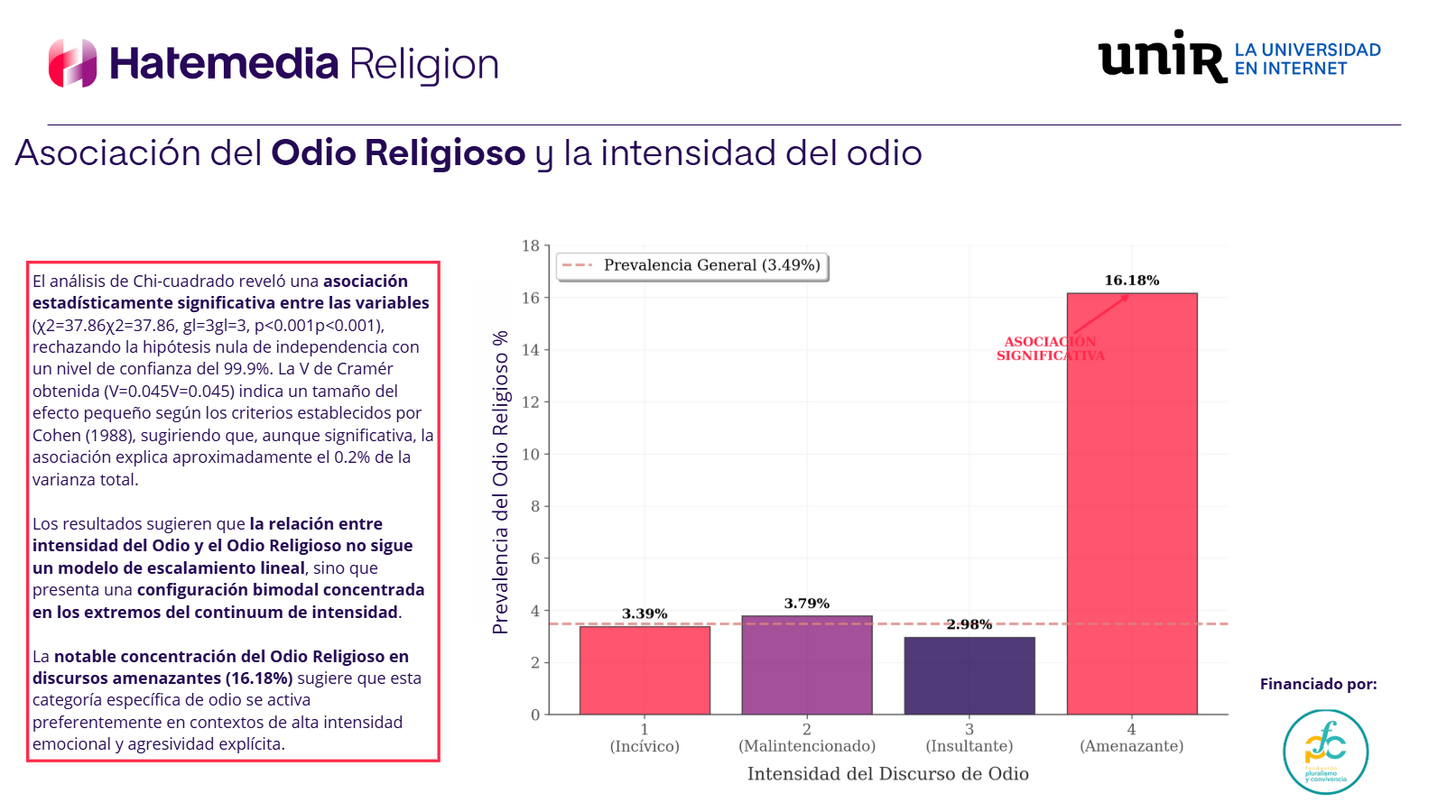
The project undertakes a systematic mapping of religious hate speech spread via major Spanish digital news media on the social network X.

Why is it important?

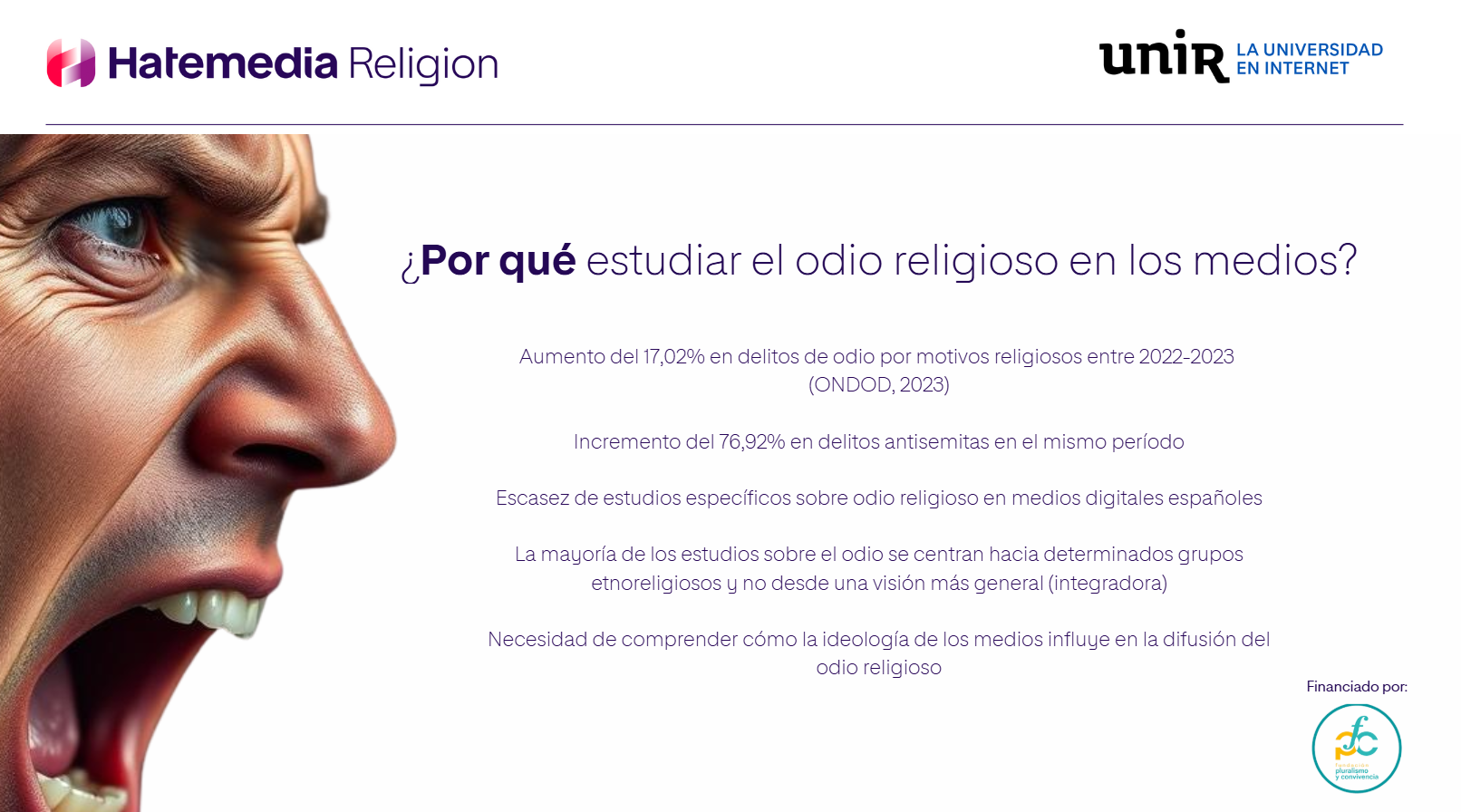
Mapping religious hate speech in digital media contexts is of paramount importance for several reasons. First, the research addresses significant gaps in both academic and practical understanding, notably by not only describing the phenomenon but also by exposing the patterns and strategies enabling its spread. Recent national data shows a marked increase in hate crime reports related to religious beliefs in Spain, highlighting the urgency for targeted interventions. The outputs of the project are designed to inform public policy, support human rights advocacy, guide media moderation practices, and inspire educational initiatives promoting intercultural tolerance. By furnishing empirical evidence and engaging with the complex intersections of ideology, media discourse, and religious diversity, the project seeks to contribute toward the prevention of stereotyping, discrimination, and polarization—thereby fostering social cohesion and respect for pluralism.

Perspectives

The project builds directly on previous lines of inquiry into digital hate and diversity, integrating methodological innovation with practical applications. Its interdisciplinary nature—spanning digital communication, sociology, computer science, and education—enhances both the breadth and depth of analysis, and fosters collaborations with other academics and practitioners. Personally, being part of an initiative that not only seeks to diagnose a serious social problem but also aims to empower affected groups and inform more inclusive public policies aligns organically with a commitment to social justice, academic rigor, and evidence-based advocacy. In sum, the project stands as both a scientific contribution and a call to civic responsibility, harnessing research to help shape a more respectful and tolerant digital public sphere.

Audience briefings3 total

Resources29 total

Who is involved?