
Publication
Chapter 6: Climate finance and investment in sub-Saharan Africa (PDF)
Read and download the full chapter.
European Investment Bank
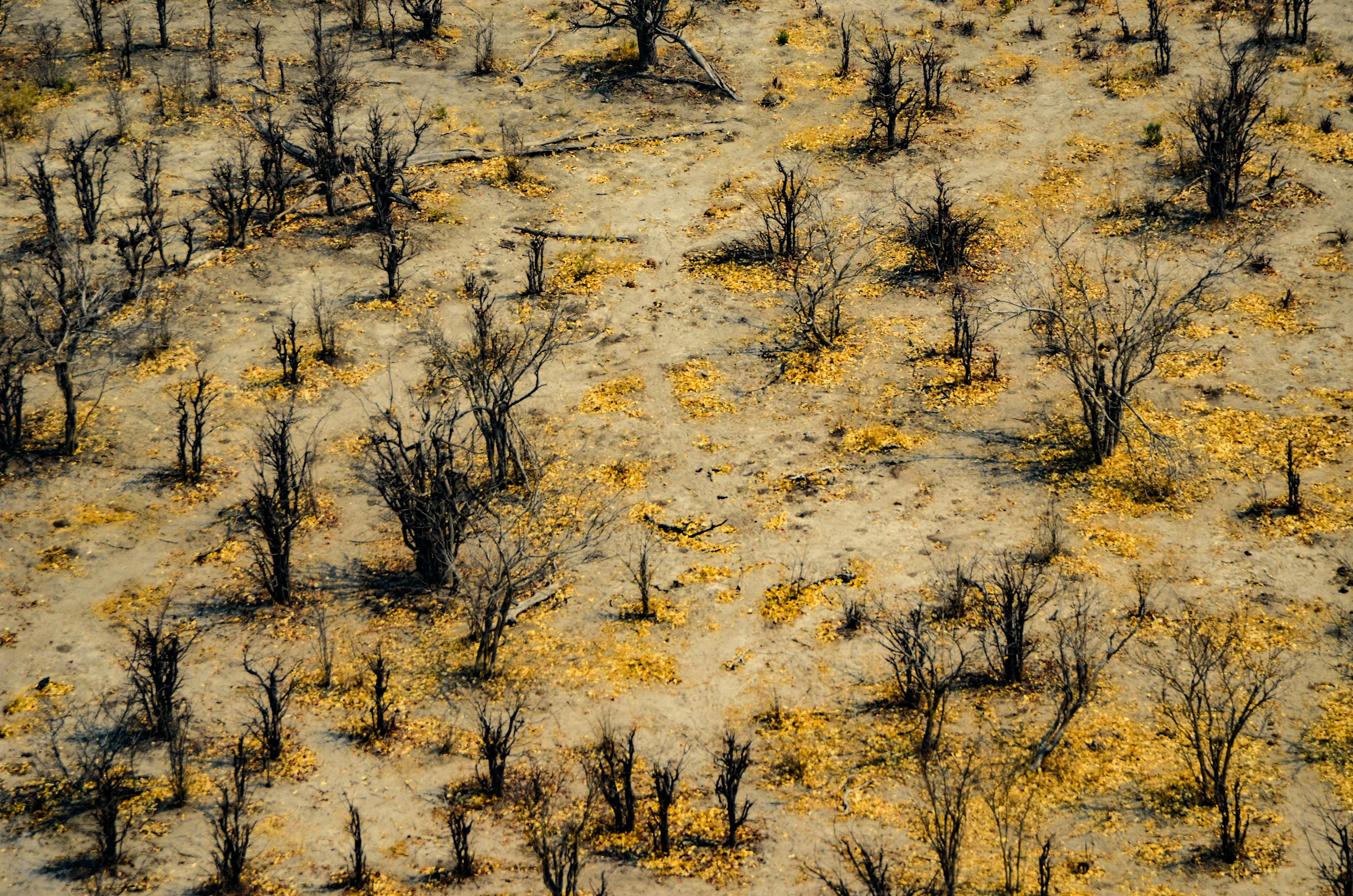
Africa is one of the regions most exposed to physical climate risk, and 88% of respondents in the European Investment Bank Climate Survey 2022 say climate is already affecting their everyday lives. Paradoxically, only 6% of banks report damage to physical infrastructure due to climate, presumably due to the more chronic nature of physical climate risk in Africa – linked to extreme temperatures, drought, agricultural losses etc., rather than severe storms. More surprising is the finding that 69% of banks report limited asset quality impact due to climate. This is likely due to low exposure of banking systems to agriculture, the sector most affected by physical climate risk. Nonetheless, a considerable share of banks are planning to reduce their exposure to sectors that are vulnerable to climate risk, particularly physical climate risk.
In the survey, banks were asked to relate their perceptions of climate change, and were categorised into four groups, ranging from cautious (do not acknowledge climate as significant risk) to leaders (climate is central to policies and operations). These climate-related perceptions greatly influence banks’ operations, with those that are more engaged more likely to offer green products to customers and less likely to identify internal constraints to green lending.
Climate finance flows in Africa are well below what is needed to achieve climate targets. Indeed, climate finance in Africa is dominated by public sector lending, including international development institutions. Climate targets will not be achieved unless domestic private sector climate financing can be scaled up dramatically. Banks are at the heart of this private financing, but green lending is still a small part of the loan book for most banks. This chapter uncovers some of the key trends in bank climate finance and the challenges banks experience in scaling up climate finance. It shows that about half of the banks in Africa are weakly engaged on climate and that increasing their engagement is crucial to increasing finance flows.
About half of banks are strongly engaged on climate but the other half have a weaker focus and are less likely to offer green finance products to their customers. Improving climate engagement for this group will be critical to improving the availability of green finance.
Read and download the full chapter.
Read and download the full report.
This chapter reviews bank performance at a regional level in North, West, Central, East and Southern Africa. Credit remains shallow across the regions, except …
The fintech sector continues to grow, with the number of active fintech companies reaching 1 263 in 2024, up from 1 049 in 2022, and 450 in 2020. In January 20…
The final chapter of the report details the activities of the European Investment Bank (EIB) in Africa. The Bank has been investing there since 1963, financing…