Project

Biological Effects and Applications of Microwaves

Vijay Kothari

What is it about?

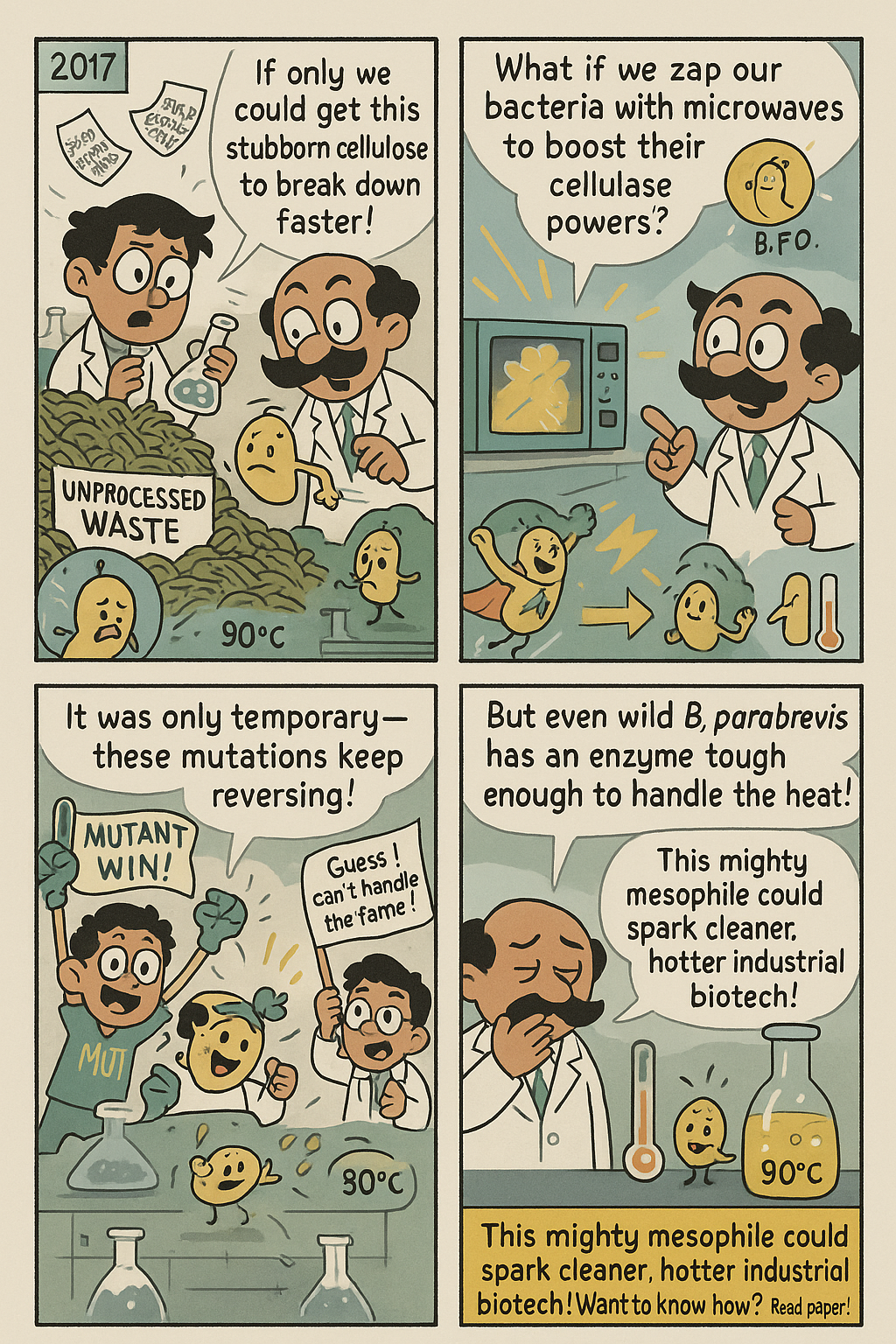
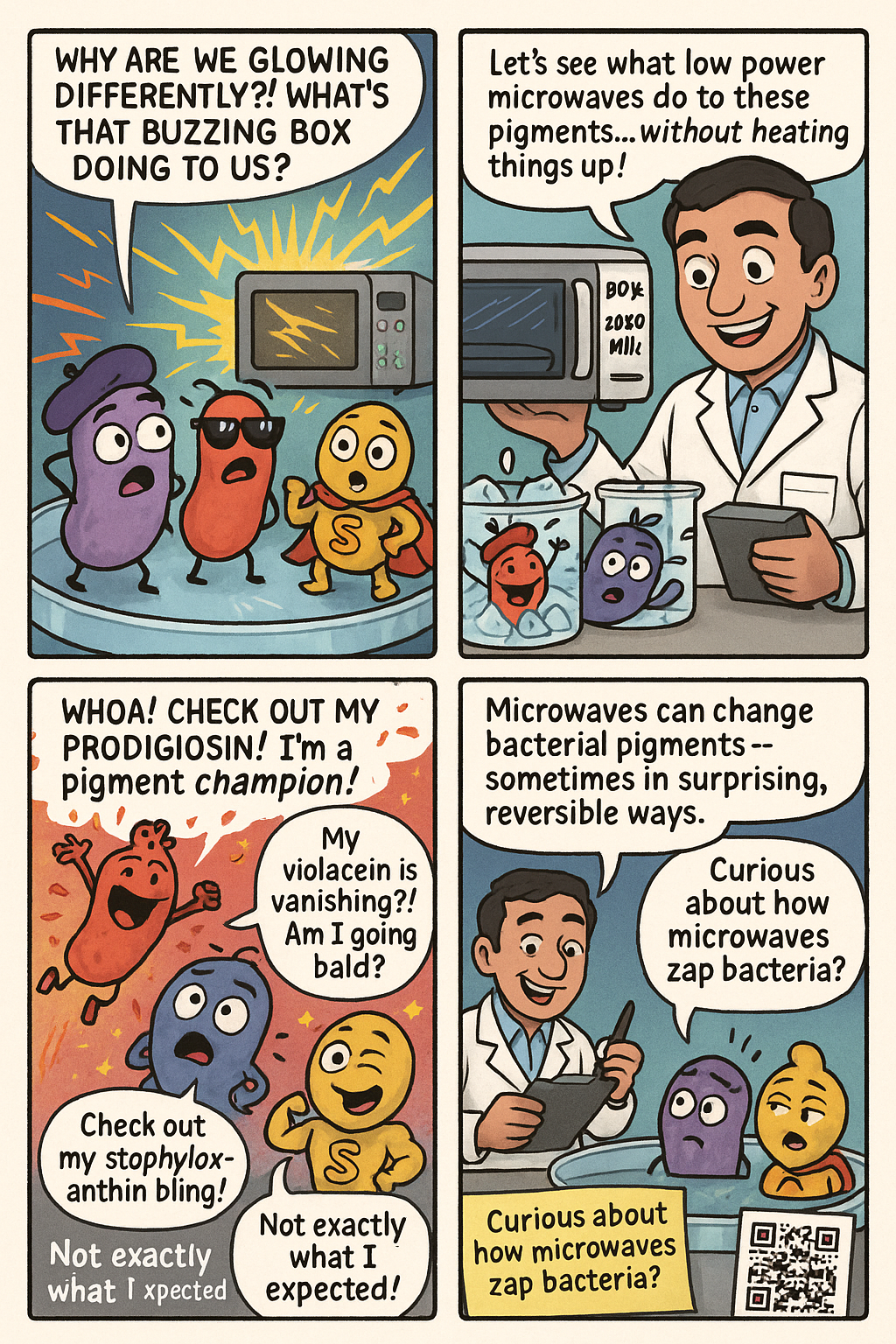
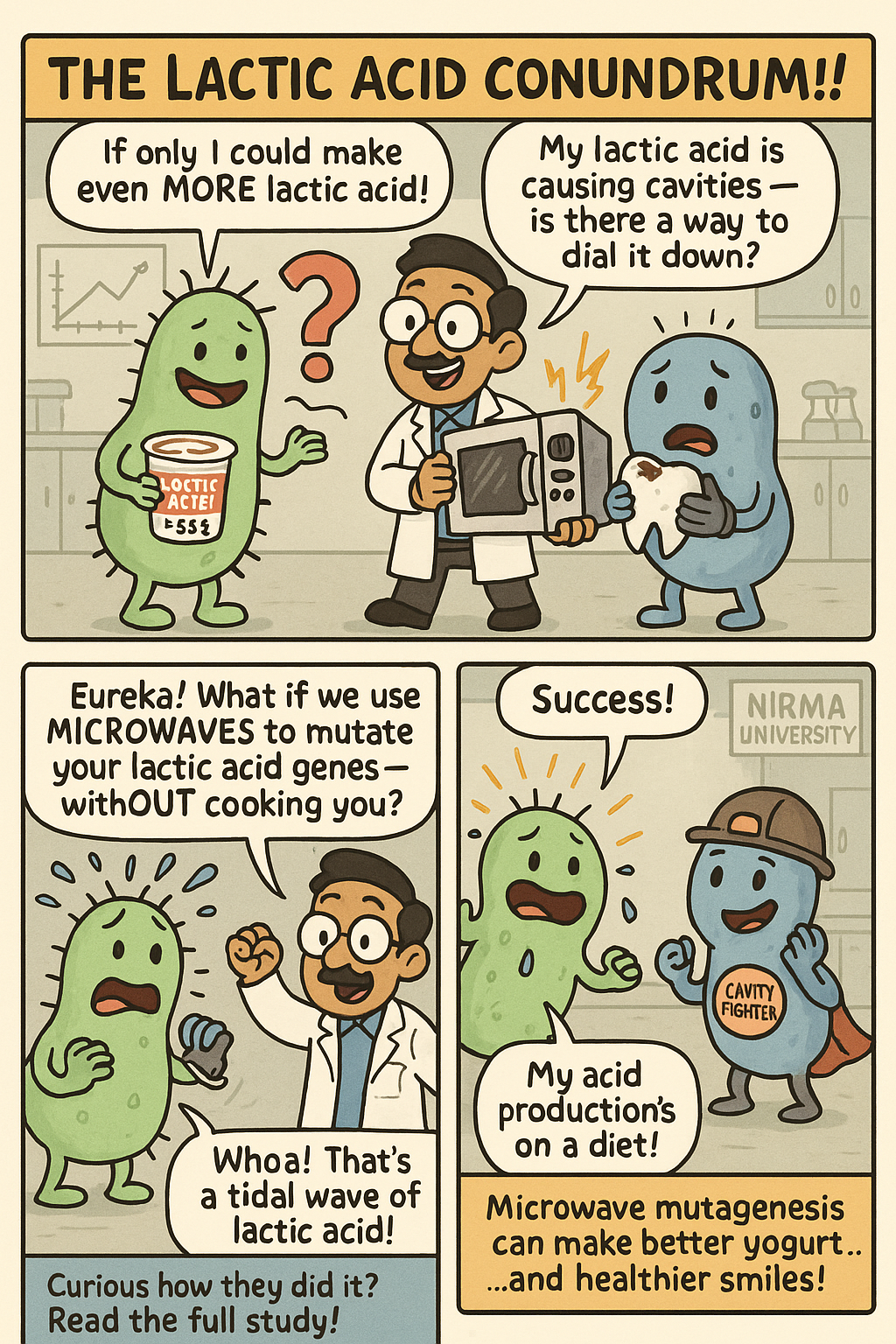
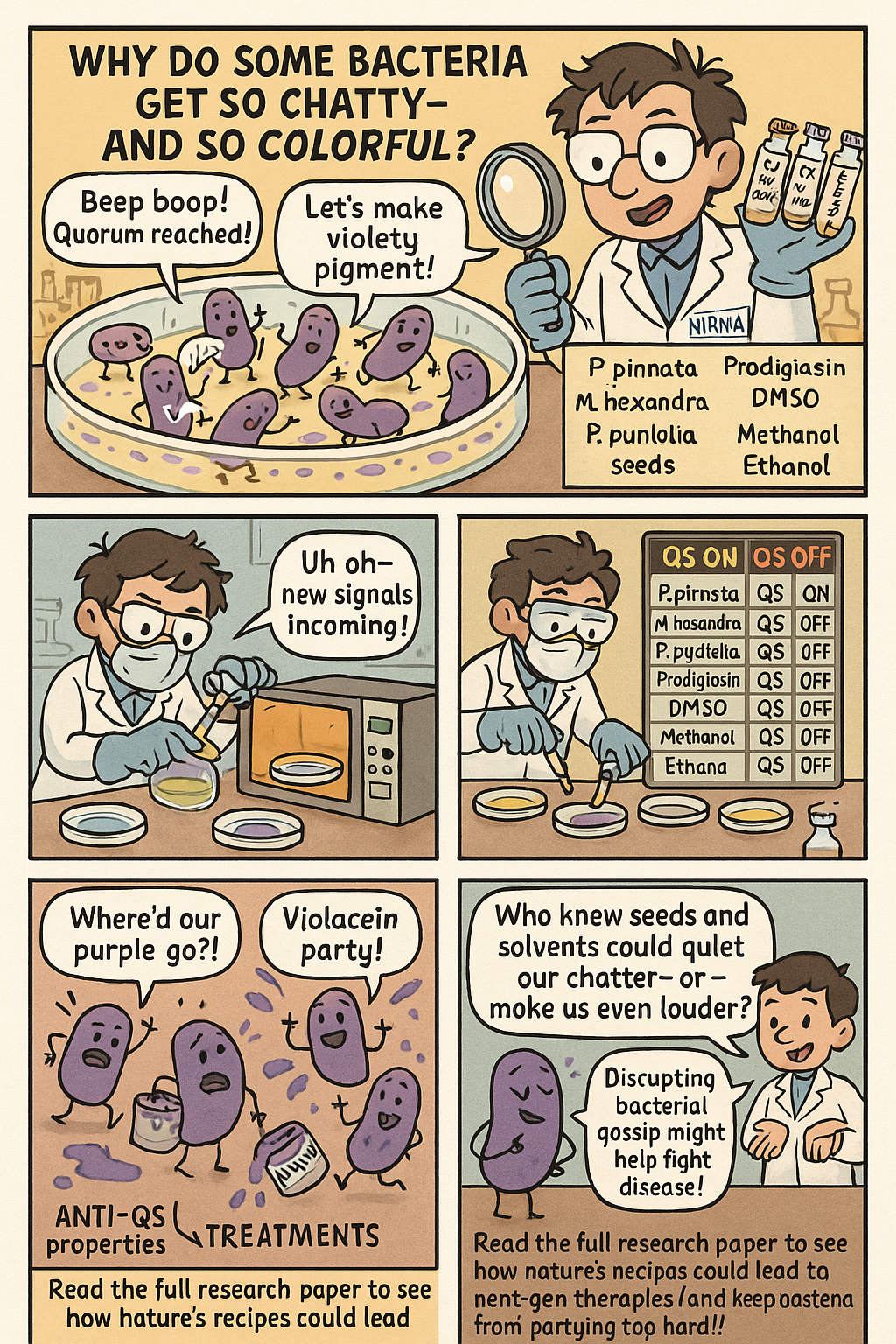
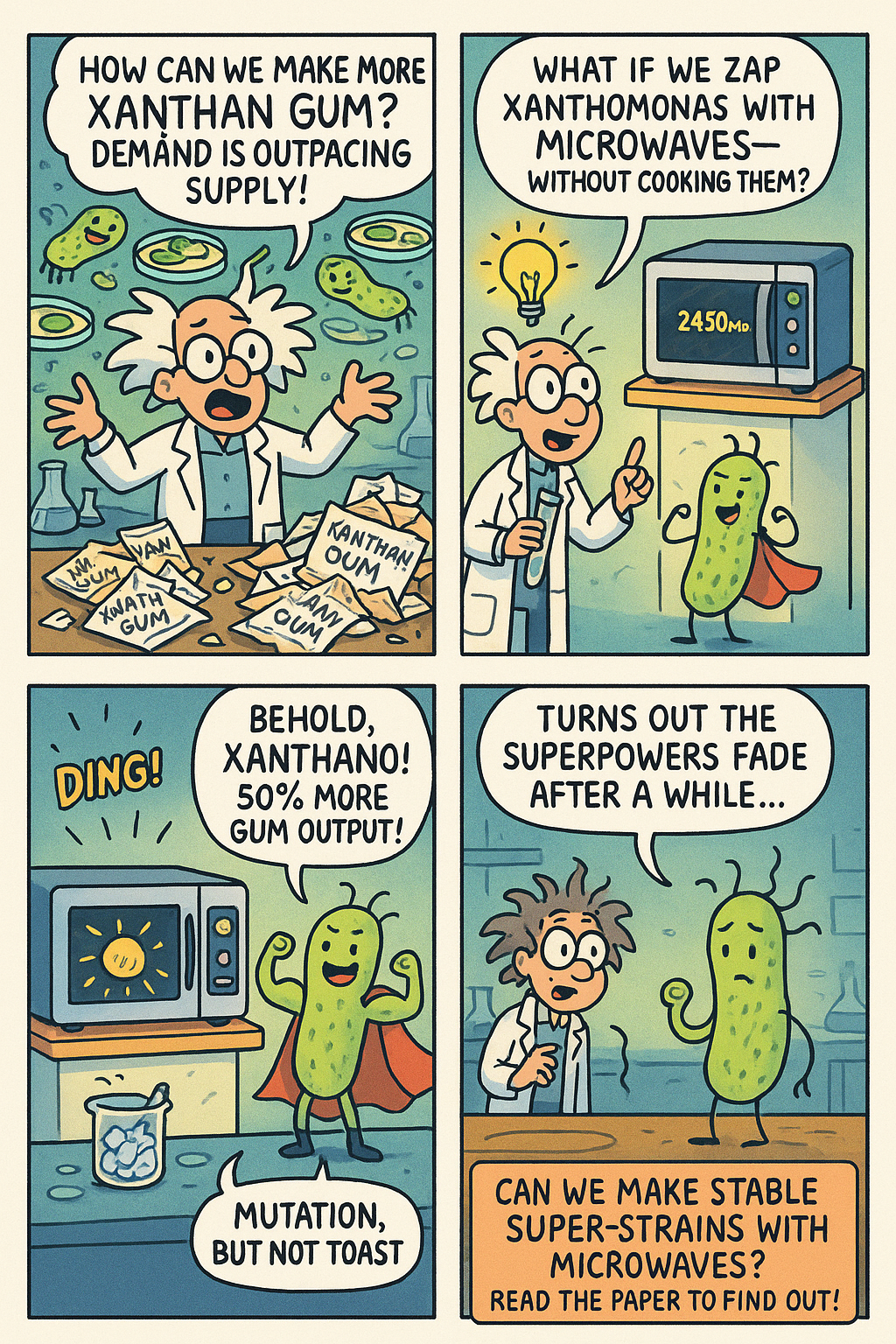
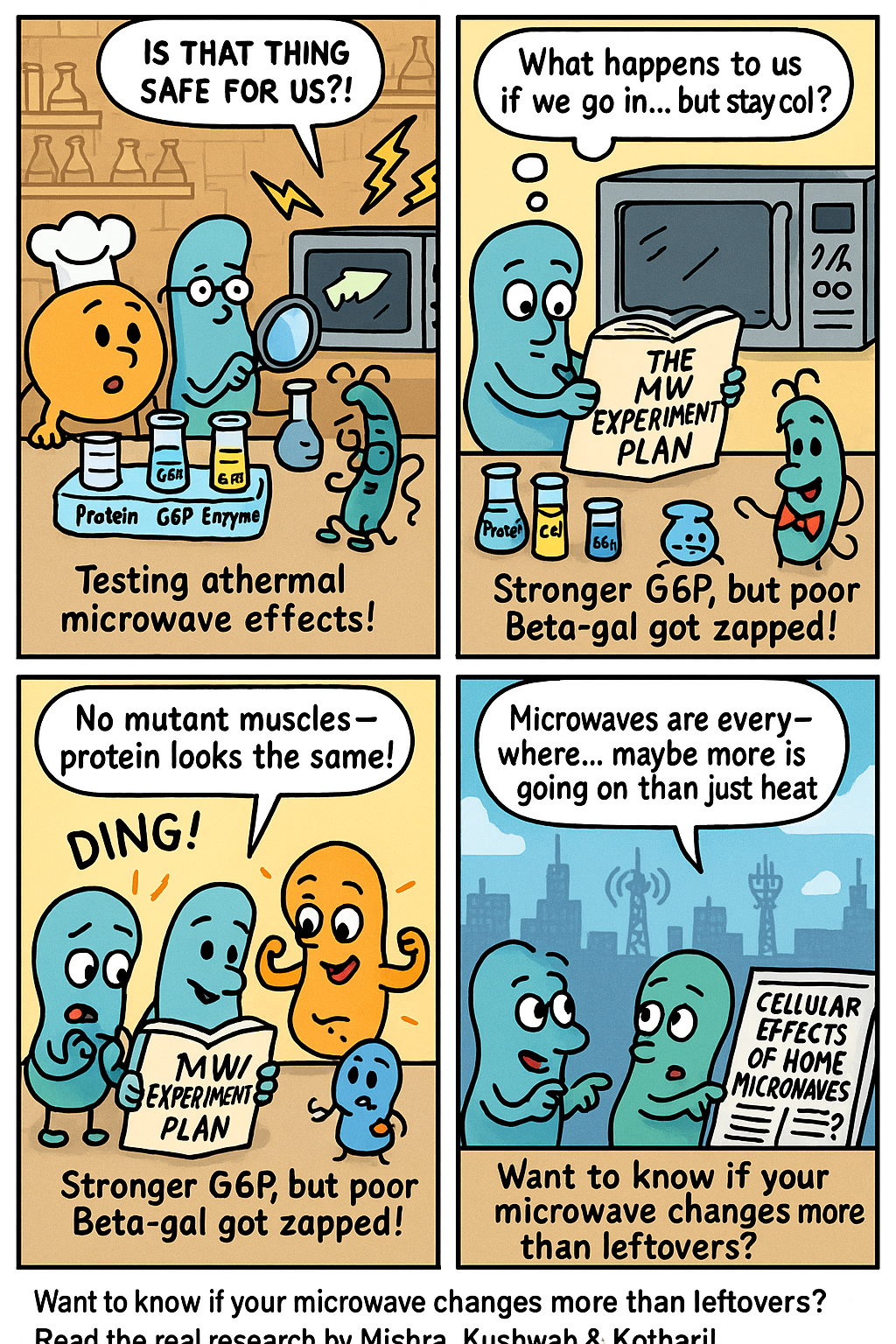
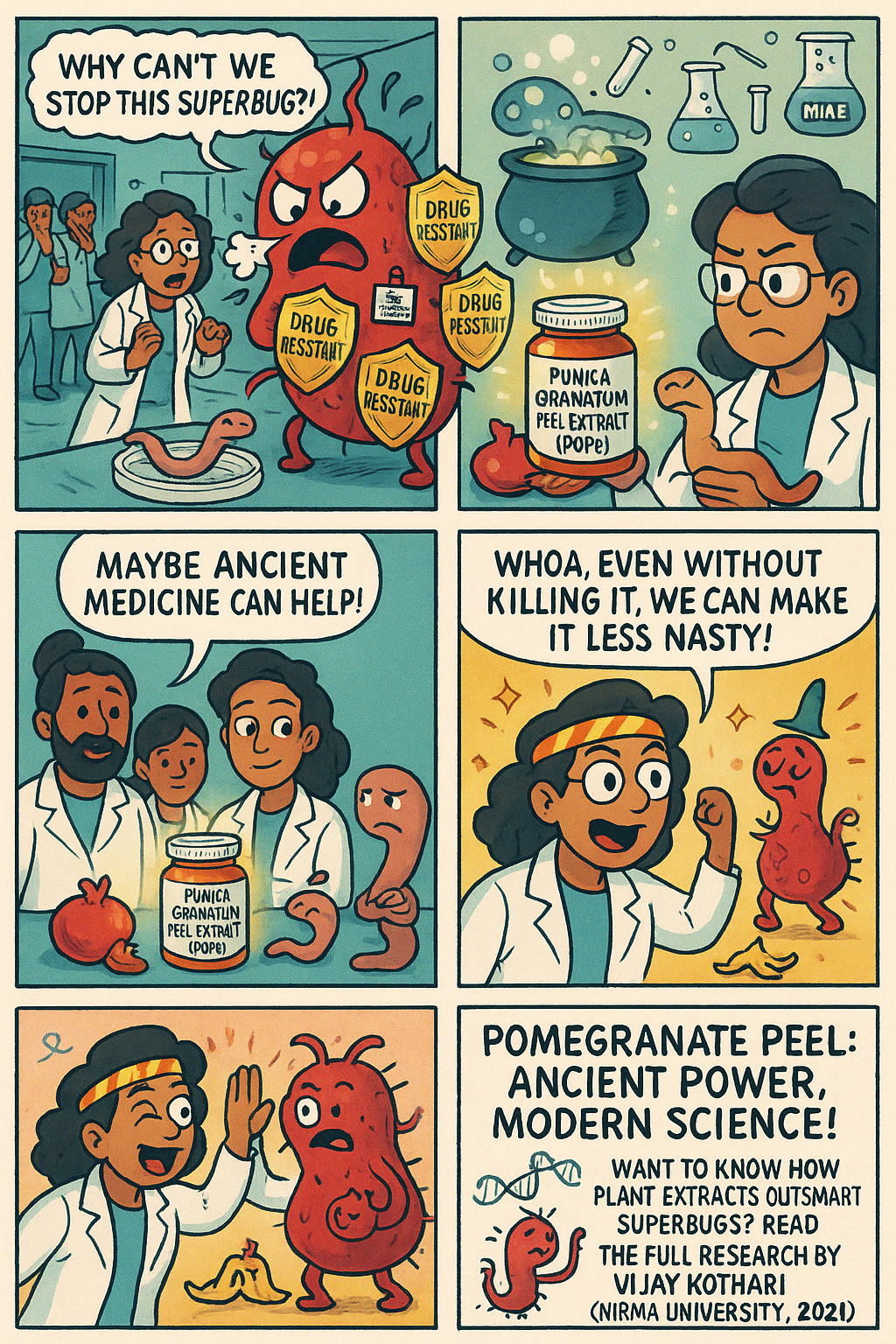
This Project Page showcases our research on athermal (non-thermal) effects of microwaves on microorganisms, and biological applications of microwaves e.g., Microwave Mutagenesis; Microwave Sterilization; Microwave Assisted Extraction (MAE) of plant materials.

Why is it important?

  1. While thermal effects of microwaves are well-established, their non-thermal effects remain open to investigation.
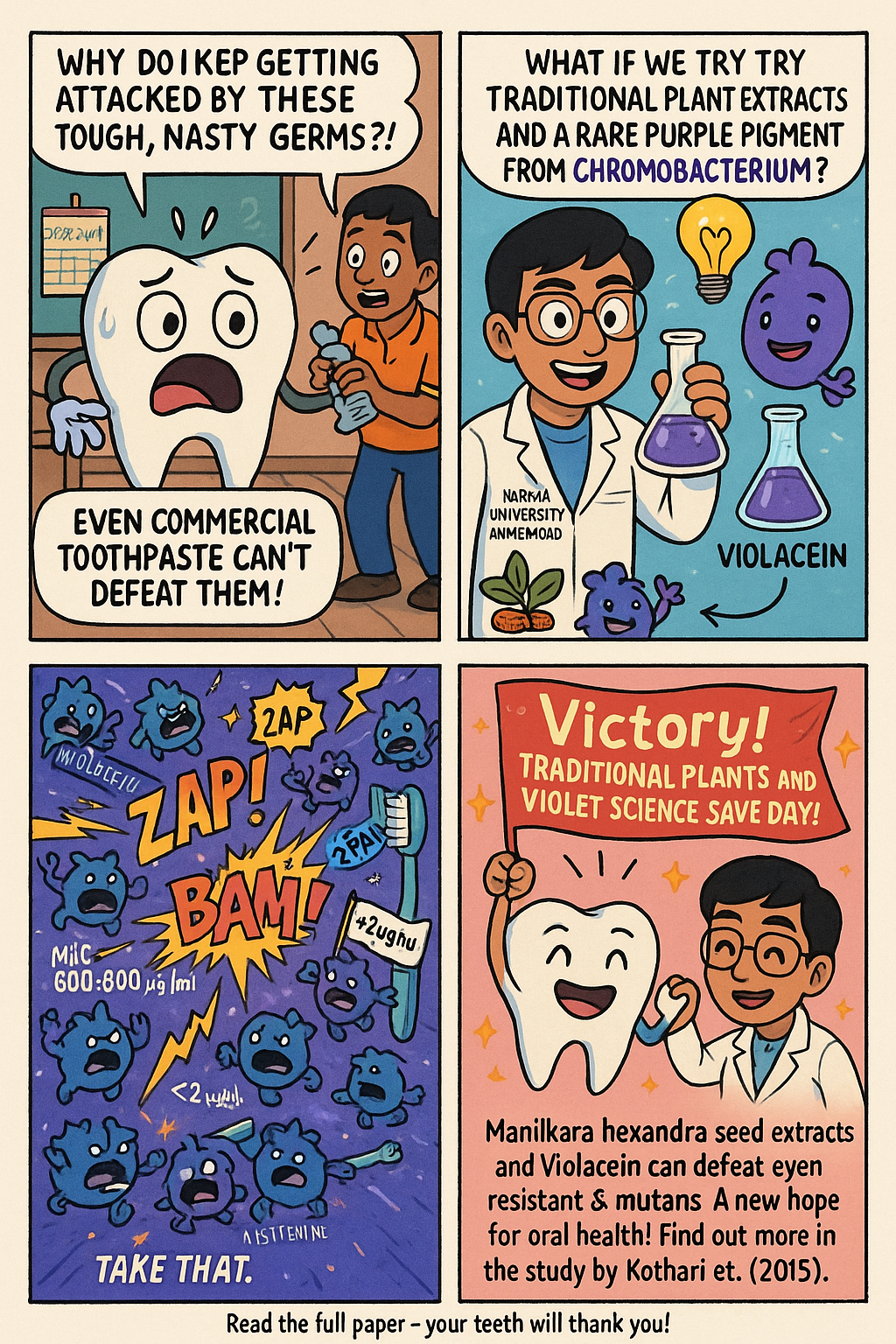
  2. Microwave apparatus can prove handy and cost-effective tool at lab scale to develop new applications in the field of sterilization, extraction, mutagenesis, etc.

Perspectives

Microwaves (MW) are a part of electromagnetic spectrum with multiple applications. Thermal effects resulting from high-power microwave radiation are well established, but considerable controversy surrounds the possible microwave specific athermal effects. Reports suggesting its presence or absence keep accumulating in literature. Exact mechanism through which low-power microwave radiation exerts its effect on different life forms including microorganisms yet remains to be elucidated. For this effective experimental strategies needs to be devised, where thermal and athermal effects can be studied separately. Identifying suitable biological model(s) for such studies is also required. Identifying mutagenic frequencies of MW radiation can pave way for large scale screening programmes employing MW mutagenesis as a tool for strain improvement, and yield genetically stable overproducing mutants. At present a large part of general population is exposed chronically to non-thermal MWs from different types of mobile communication. In light of recent reports about MW effects (particularly athermal effects) on different life forms, the safety standard of exposure needs to be re-evaluated. Further research is needed on the exact mechanism(s) behind non-thermal effects of MW. Significance of acquiring reliable information regarding the effects of low power MW needs to be well acknowledged by the society.

Resources13 total

Who is involved?