Interview
Un microsatélite argentino participará en la próxima misión lunar de la NASA
El microsatélite ATENEA, desarrollado con participación de la Facultad de Ingeniería de la UBA y liderado por la CONAE, será lanzado como parte de la misión Ar…
Marcelo Pagnola
The ATENEA microsatellite, developed in collaboration with the Faculty of Engineering of the UBA and led by CONAE, will be launched as part of the Artemis II mission, scheduled for April 2026, on a ten-day manned flight that will fly over the Moon.
https://www.infobae.com/sociedad/2025/06/04/un-microsatelite-argentino-participara-en-la-proxima-mision-lunar-de-la-nasa/
Among ATENEA's functions are radiation dose measurements in various orbits—both low and deep—which will allow for the evaluation of shielding and commercial components. It will also test silicon photomultipliers (SiPMs), optoelectronic devices that find applications in communications, sensors, and displays. Another task will be the collection of GPS data from altitudes above the satellite constellation, key information for maneuvers in geostationary transfer orbits. It will also validate long-range communication links, geared toward future deep space exploration.
These activities aim to raise the Technological Readiness Level (TRL) of several locally developed subsystems, positioning them for use in larger space missions. The satellite was selected by NASA after Argentina formally joined the Artemis Program in 2023. According to Martínez, the country's participation was formalized during NASA Administrator Bill Nelson's visit to FIUBA, where Argentina's entry as the 28th country to join the program was signed.

INTECIN (UBA - CONICET)
El microsatélite ATENEA, desarrollado con participación de la Facultad de Ingeniería de la UBA y liderado por la CONAE, será lanzado como parte de la misión Ar…
1,621 likes, 24 comments - infobae on June 4, 2025: "La Facultad de Ingeniería de la Universidad de Buenos Aires (FIUBA) será parte de la misión Artemis II, qu…
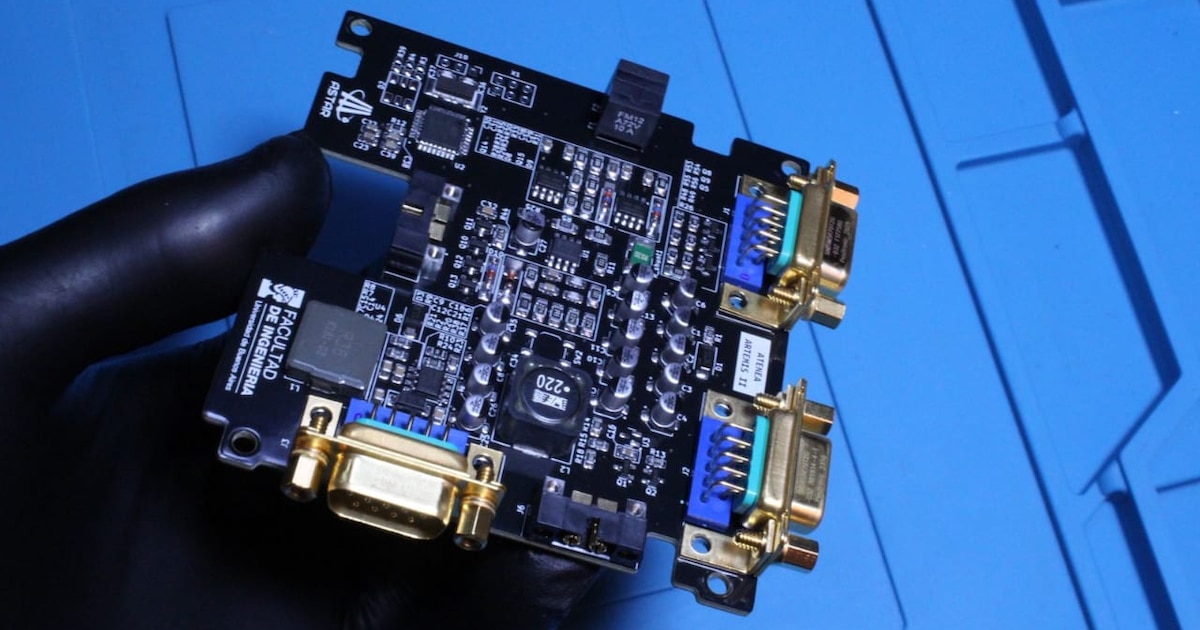
El ATENEA es un dispositivo de 30x20x20 cm que validará tecnologías críticas para futuras misiones.
La UBA contribuyó al desarrollo del microsatélite ATENEA, uno de los satélites pequeños que serán desplegados antes del acercamiento lunar de la NASA
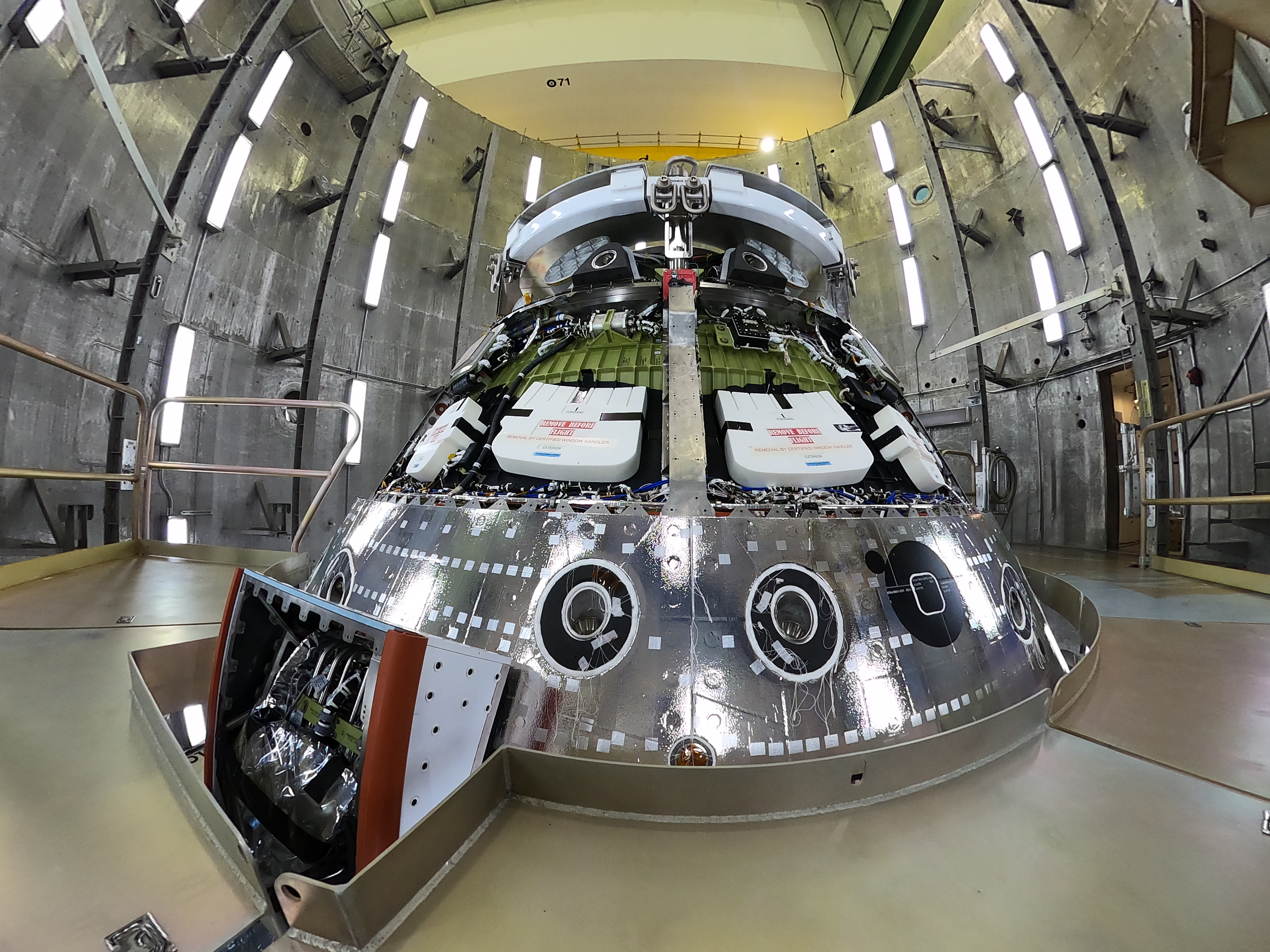
Teams lifted NASA's Orion spacecraft for the Artemis II test flight out of the Final Assembly and System Testing cell and moved it to the altitude chamber to
#AM530 #SomosRadio #BuscamosLaVerdadSiempreSomos la Radio de las Madres de Plaza de Mayo.
63 likes, 0 comments - vibrabonaerense el June 12, 2025: "Ciencia argentina al espacio 🚀 El microsatélite Atenea, construido por @conae_oficial junto a unive…
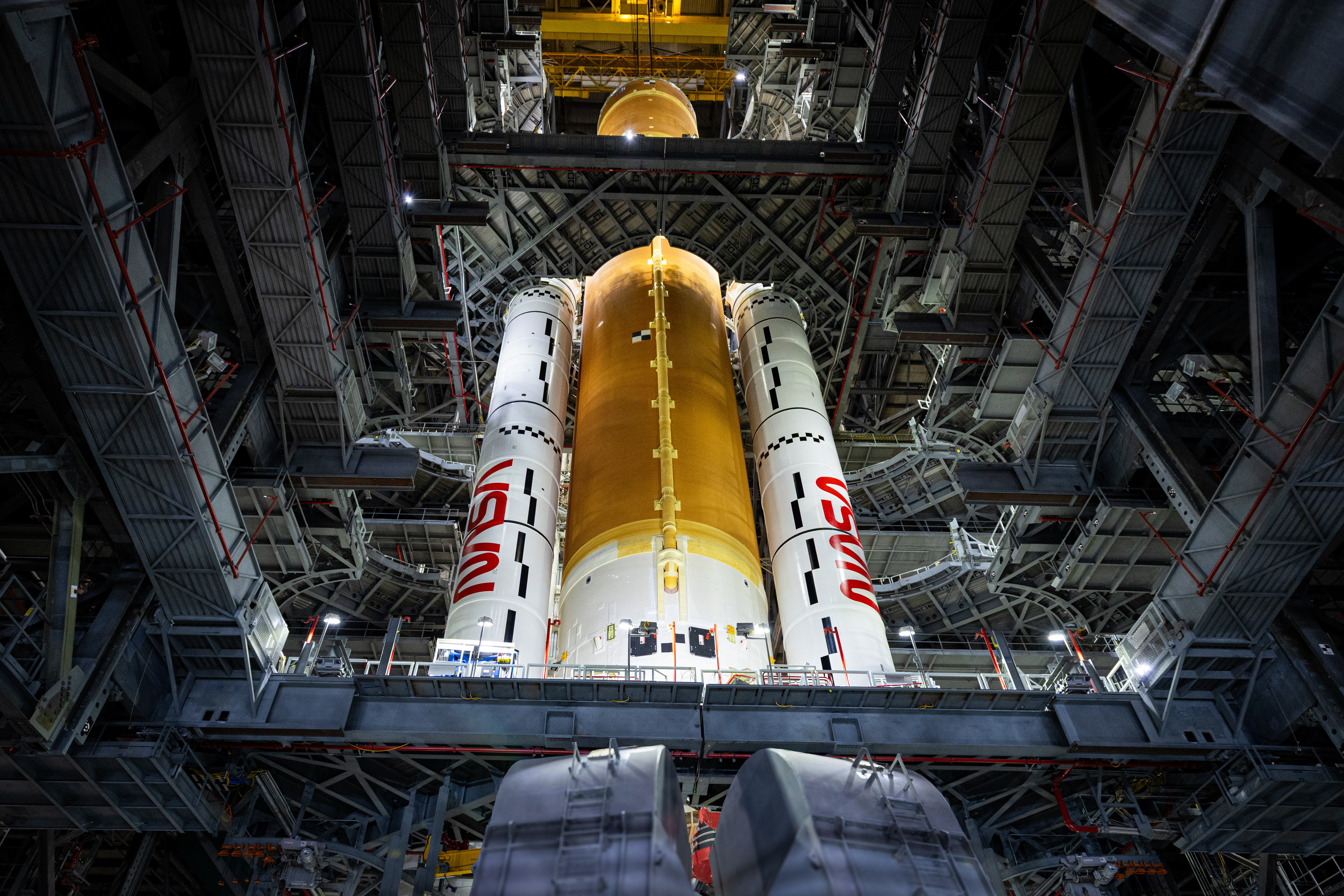
Technicians from NASA and primary contractor Amentum join the SLS (Space Launch System) rocket with the stacked solid rocket boosters for the Artemis II
Lo que comenzó como una iniciativa propia de desarrollar un satélite universitario les dio, sin haberlo dimensionado, la experiencia y la capacidad necesarias …
Cuenta oficial del proyecto ASTAR (equipo de desarrollo de nanosatélites y divulgación aeroespacial de la FIUBA).