
Press briefing
Serving the Interests of Economic Democracy Using the Internet
18 February 2021, Paris – Classical economists identified three resources with the power of increase: land, money, and human creativity. In the 20th century, governments legitimized their control over the first of these in the name of a national citizenry. They also monopolized the management of state-made money. Furthermore, business corporations made an ambivalent alliance with governments by collapsing the difference between real and artificial individuals in economic law.
As a result, national capitalism became the norm in the last century. A world revolution after 1945 saw western industrial democracies, the Soviet bloc and newly independent countries adopt developmental states based on public services, increased disposable incomes, capital controls and much greater equality than before. A counter-revolution led by Reagan and Thatcher sought to remove political and legal controls from markets and capital flows. The result has been escalating inequality, reduced democracy and greater precarity for the working and middle classes. Two-thirds of the world's largest economic entities are transnational corporations, some bigger than all but eight countries.
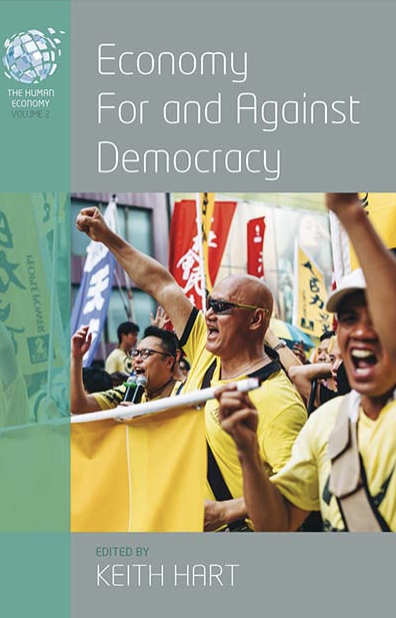
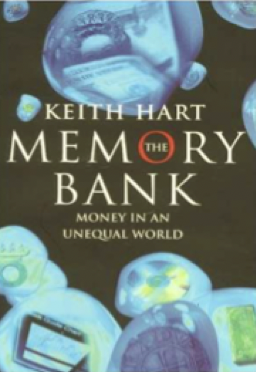
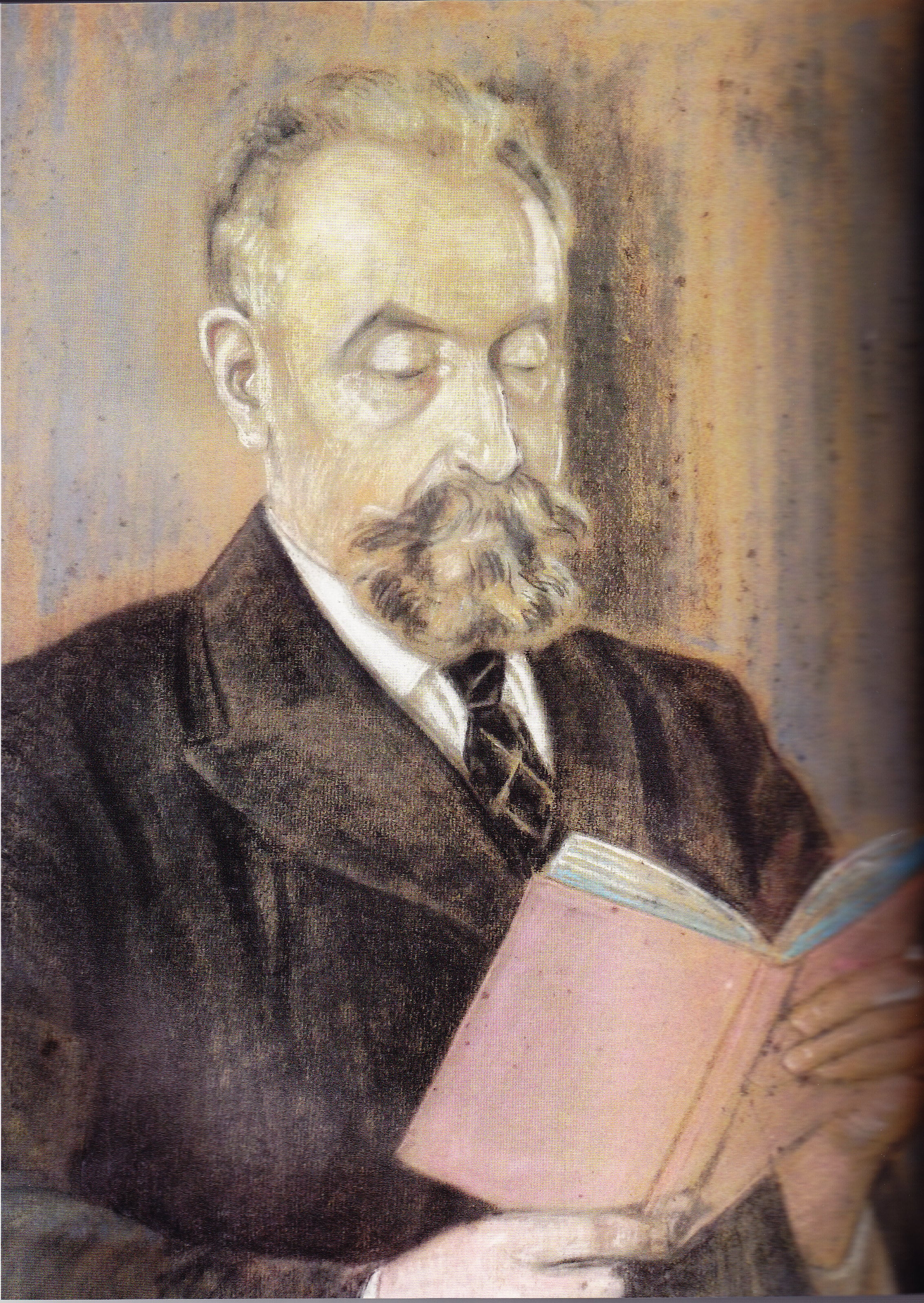
Keith Hart is an anthropologist and self-taught economist. In his 2000 book, The Memory Bank, Professor Hart outlines a humanistic approach to markets and money that aims to democratize the global economy by using technology, especially the internet—an idea he has explored further in subsequent publications.
He calls upon all users of the internet to work towards a new form of world society —one in which every individual is free to find meaning for their lives literally by “making money”. This does not refer to the process of earning a living, but rather to taking control of the processes that give money its value and determine how it is exchanged.
Hart believes that money harnessed to the digital media brings to impersonal long-distance transactions a great deal of personal information. The latest machine revolution radically cheapens the cost of transferring information. This is currently abused by remote corporate agencies addicted to command-and-control methods of accumulation. The sides in this struggle are totalitarian bureaucracy and democracy. For the first time we have access to universal media capable of spreading universal ideas. We the people have, in our human creativity, the means to win this one.
His latest book, Self in the World: Connecting Life's Extremes is due to appear as a Berghahn Books trade hardback (and other formats) in Spring 2022.