All Stories

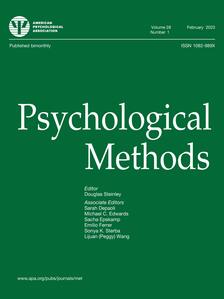
  1. Yes stormtrooper, these are the droids you are looking for: Identifying and preliminarily evaluating bot and fraud detection strategies in online psychological research.
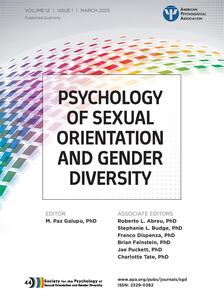
  2. The association between gender‐affirming care and disordered eating in transgender and gender diverse individuals: Exploring appearance congruence and gender‐related motivating factors for weight loss
  3. A quasi-experimental study examining the efficacy of multimodal bot screening tools and recommendations to preserve data integrity in online psychological research.
  4. More Than Identity: An Intersectional Approach to Understanding Mental-Emotional Well-Being of Emerging Adults by Centering Lived Experiences of Marginalization
  5. Body image, interoceptive awareness, depression and eating disorder symptoms: Within‐group variability among sexual minority women
  6. ‘Let the ladies know’: queer women’s perceptions of how gender and sexual orientation shape their eating and weight concerns
  7. Can We Talk?: An Exploratory Examination of Communication Patterns Between Emerging Adults and their Parents
  8. Threats to Online Surveys: Recognizing, Detecting, and Preventing Survey Bots
  9. Exploring the intersection of multiple social determinants of health and disordered eating behaviors in a population‐based sample in the United States
  10. Socioeconomic status and eating disorder prevalence: at the intersections of gender identity, sexual orientation, and race/ethnicity
  11. Variability in Eating Disorder Risk and Diagnosis in Transgender and Gender Diverse College Students
  12. Ethnic/racial and gender differences in disordered eating behavior prevalence trajectories among women and men from adolescence into adulthood
  13. Balancing data integrity concerns with ethical considerations in online research
  14. Child and adolescent maltreatment patterns and risk of eating disorder behaviors developing in young adulthood
  15. Social Isolation in a Population-Based Sample of Emerging Adults: Who Is on Their Own?
  16. A dangerous visibility: Moderating effects of antitrans legislative efforts on trans and gender-diverse mental health.
  17. Diet pill and laxative use for weight control predicts first‐time receipt of an eating disorder diagnosis within the next 5 years among female adolescents and young adults
  18. Understanding the impact of the COVID-19 pandemic on stress, mood, and substance use among young adults in the greater Minneapolis-St. Paul area: Findings from project EAT
  19. Disordered eating in a population‐based sample of young adults during the COVID ‐19 outbreak
  20. Associations between weight talk exposure and unhealthy weight control behaviors among young adults: A person-centered approach to examining how much the source and type of weight talk matters
  21. The longitudinal relationship between family and peer teasing in young adulthood and later unhealthy weight control behaviors: The mediating role of body image
  22. Sexual orientation-based differential item functioning in measures of body image concerns and ideals among men.
  23. A single summative global scale of disordered eating attitudes and behaviors: Findings from Project EAT, a 15-year longitudinal population-based study
  24. Parental Contributors to the Prevalence and Long-term Health Risks of Family Weight Teasing in Adolescence
  25. Differential item functioning analysis for the Eating Disorder Examination Questionnaire among heterosexual and sexual minority men
  26. Using latent class analysis to empirically classify maltreatment according to the developmental timing, duration, and co-occurrence of abuse types
  27. Examining vegetarianism, weight motivations, and eating disorder psychopathology among college students
  28. Contract Negotiation Skills: A Workshop for Women in Medicine
  29. Weight discrimination inflates psychological health risk and academic impairment in sexual minority cisgender college students relative to their heterosexual peers
  30. Disparities in eating disorder risk and diagnosis among sexual minority college students: Findings from the national Healthy Minds Study
  31. Intuitive eating longitudinally predicts better psychological health and lower use of disordered eating behaviors: findings from EAT 2010–2018
  32. Disparities in self‐reported eating disorders and academic impairment in sexual and gender minority college students relative to their heterosexual and cisgender peers
  33. Unhealthy weight control behaviors and substance use among adolescent girls: The harms of weight stigma
  34. Gender-based differential item functioning in measures of eating pathology
  35. The importance of face-to-face contact and reciprocal relationships and their associations with depressive symptoms and life satisfaction
  36. Shared and non-shared risk and protective factors of binge eating and binge drinking from adolescence to young adulthood
  37. Advocating for Fat Activism in a Therapeutic Context
  38. Empirical Sample Size Guidelines for Use of Latent Difference Score Mediation
  39. Development and Validation of the Multicontextual Interpersonal Relations Scale (MIRS)
  40. The Dynamic Relationship between Unhealthy Weight Control and Adolescent Friendships: A Social Network Approach
  41. The role of body image psychological flexibility on the treatment of eating disorders in a residential facility
  42. Two distinct mediated pathways to disordered eating in response to weight stigmatization and their application to prevention programs